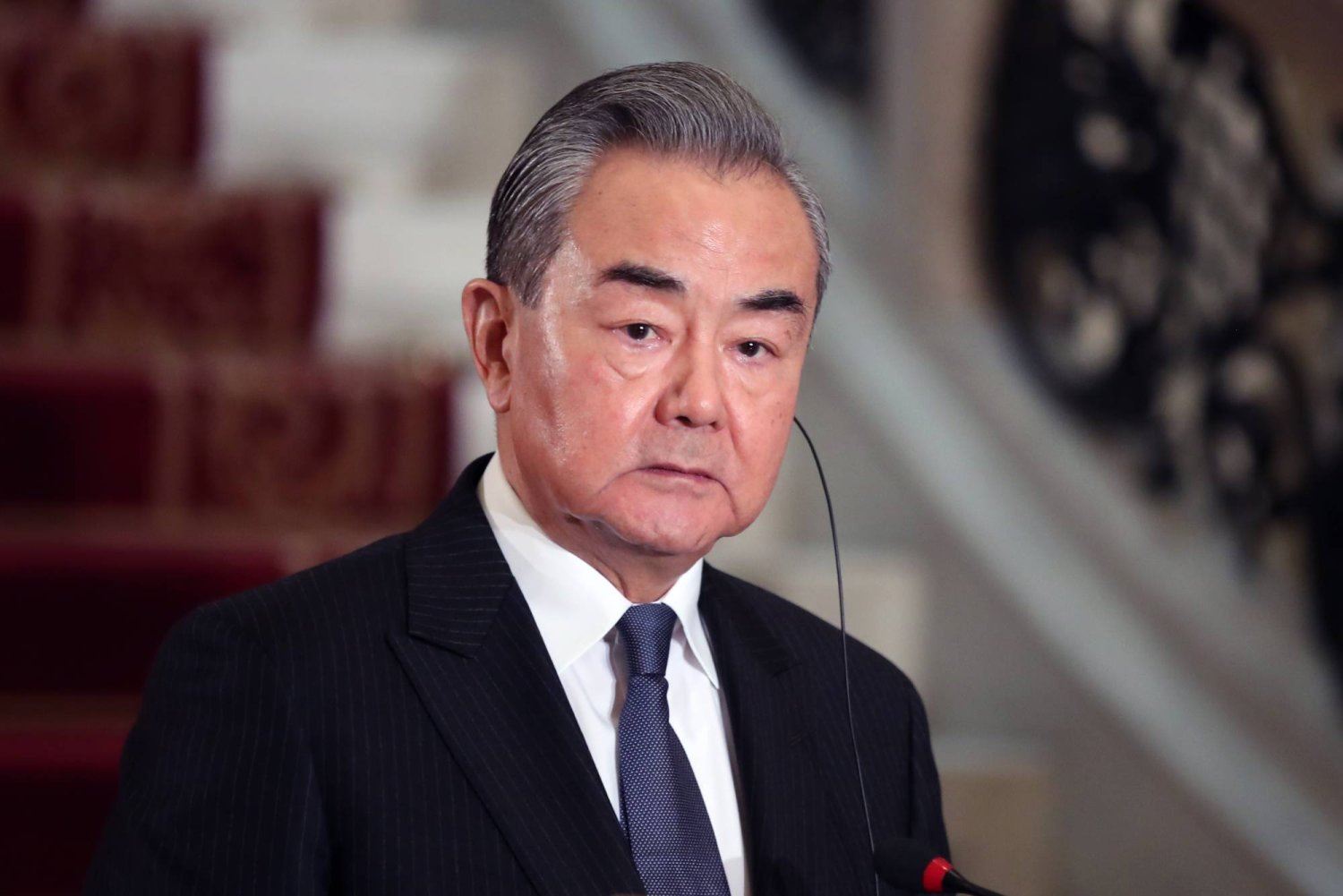
In a move reflecting the importance of diplomacy in international relations, Chinese Foreign Minister Wang Yi emphasized during a phone call with his Iranian counterpart, Abbas Araghchi, that 'dialogue is always better than fighting.' These remarks came after Iran firmly denied claims made by former U.S. President Donald Trump regarding negotiations between the two countries.
Wang Yi, who serves as the Foreign Minister of the Chinese government, expressed hope that all parties involved could seize every available opportunity for peace and initiate the negotiation process as soon as possible. These statements come at a sensitive time in international relations, especially amid ongoing tensions between the United States and Iran.
Details of the Event
The Chinese statements come at a time when the region is experiencing heightened tensions, as China seeks to play a larger role in mediating between Iran and the United States. Wang Yi highlighted the importance of dialogue as a means to avoid armed conflicts, reflecting Beijing's approach to enhancing peace and stability in the region.
In contrast, Trump had previously claimed that negotiations were underway with Iran, a statement that Tehran categorically denied. These contradictory statements reflect the uncertainty that dominates Iranian-American relations, which have seen increasing tensions since the United States withdrew from the Iranian nuclear deal in 2018.
Background & Context
Historically, relations between Iran and the United States have been marked by increasing tensions since the Islamic Revolution in 1979, which severed diplomatic ties between the two countries. Since then, there have been multiple attempts to rebuild these relations, but most have failed due to fundamental differences in policies and interests.
In recent years, China has become a key player in the region, seeking to strengthen its relations with Iran under the Belt and Road Initiative. This initiative aims to enhance economic cooperation among Asian countries, positioning China as a strategic partner for Tehran in the face of American pressures.
Impact & Consequences
The Chinese statements could lead to a shift in the dynamics of Iranian-American relations, potentially encouraging a resumption of dialogue between the two parties. If the United States responds positively to this call, it could lead to a de-escalation of tensions in the region, which would positively impact regional security.
On the other hand, these developments could enhance China's role as a mediator in international disputes, increasing its influence in the global political arena. This situation may raise concerns among some Western countries that fear the growing Chinese influence in the Middle East.
Regional Significance
The Iranian-American relationship is a central axis affecting the stability of the Arab region. Any progress in dialogue between Tehran and Washington could positively reflect on neighboring Arab countries, which are suffering from the repercussions of regional conflicts.
Moreover, strengthening relations between Iran and China may raise concerns among some Arab states, particularly those competing with Iran for influence in the region. Therefore, close monitoring of these developments will be essential to understand how they affect Arab interests.
In conclusion, diplomacy remains the greatest hope for achieving peace and stability in the region. The statements made by the Chinese Foreign Minister reflect a genuine desire to promote dialogue, which the world needs now more than ever.