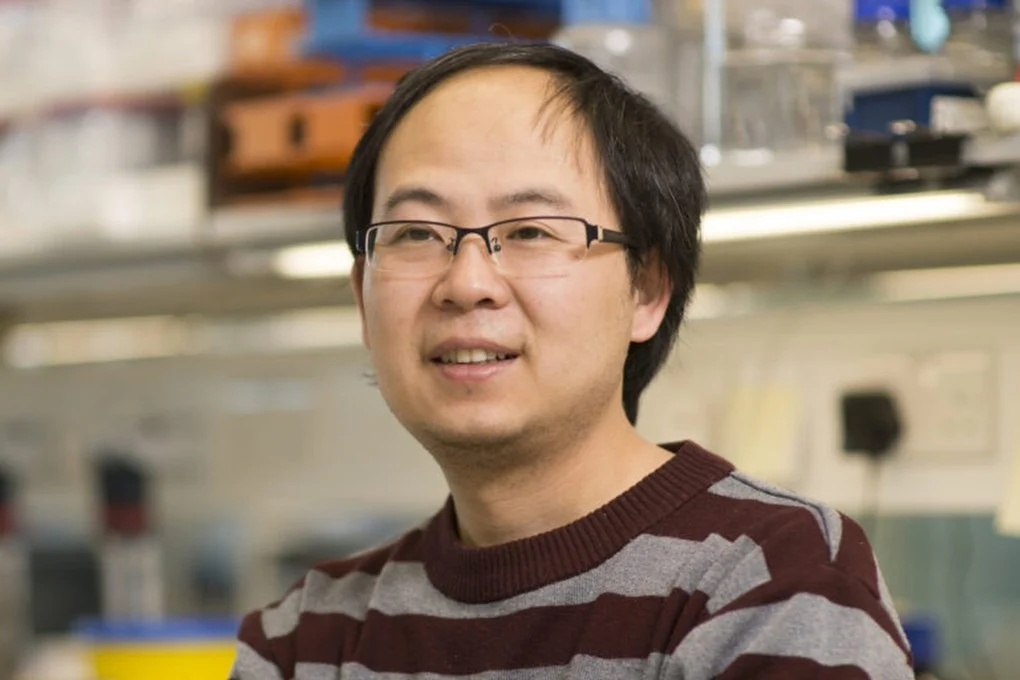
Chinese scientist Zhang Kai has returned to his homeland after years of scientific research in the United States, where he highlighted the challenges he faced as a Chinese scientist in leading major projects. In an interview with China Science Daily, Zhang confirmed that returning to China was the natural choice to achieve his scientific ambitions.
Zhang, who is working on establishing a massive database of cellular structures, explained that conditions in the United States make it difficult for Chinese scientists to be in leadership positions. He noted that this represents a barrier to their advancement in scientific research fields.
Event Details
Zhang Kai is a prominent scientist in the field of cellular biology, and he has embarked on his ambitious project to create a database aimed at compiling accurate information about cellular structures. This project is considered one of the pioneering initiatives that could contribute to the development of scientific research in various fields such as medicine and biology.
During his discussion, Zhang pointed out that the challenges he faced in the United States were not only due to cultural factors but also due to restrictions imposed on foreign scientists. He emphasized that returning to China would allow him the opportunity to work more freely and achieve his research goals.
Background & Context
China is regarded as one of the leading countries in scientific research, with the government investing heavily in technology development and innovation. In recent years, the country has witnessed a significant increase in the number of scientists and researchers returning home after studying or working abroad.
This return is part of China’s strategy to enhance its position as a global scientific power. This strategy has attracted many brilliant minds from around the world, reflecting significant changes in the global scientific landscape.
Impact & Consequences
Zhang Kai's project is considered an important step towards enhancing scientific research in China, as it could lead to new discoveries in various fields. Additionally, this project may contribute to improving collaboration between Chinese and international scientists, thereby enhancing China's status in the global scientific arena.
Zhang Kai's experience illustrates how scientists can overcome challenges by returning home, reflecting the importance of a supportive environment for research and innovation. This could encourage more scientists to take similar steps, thereby strengthening China's competitiveness in scientific research fields.
Regional Significance
The Chinese experience in attracting scientists and researchers serves as a model that Arab countries could benefit from. Arab nations can enhance their scientific research environments by providing support and encouragement to local scientists and those returning from abroad.
Moreover, cooperation between Arab countries and China in scientific research could open new horizons for development and innovation, contributing to achieving sustainable development in the region.