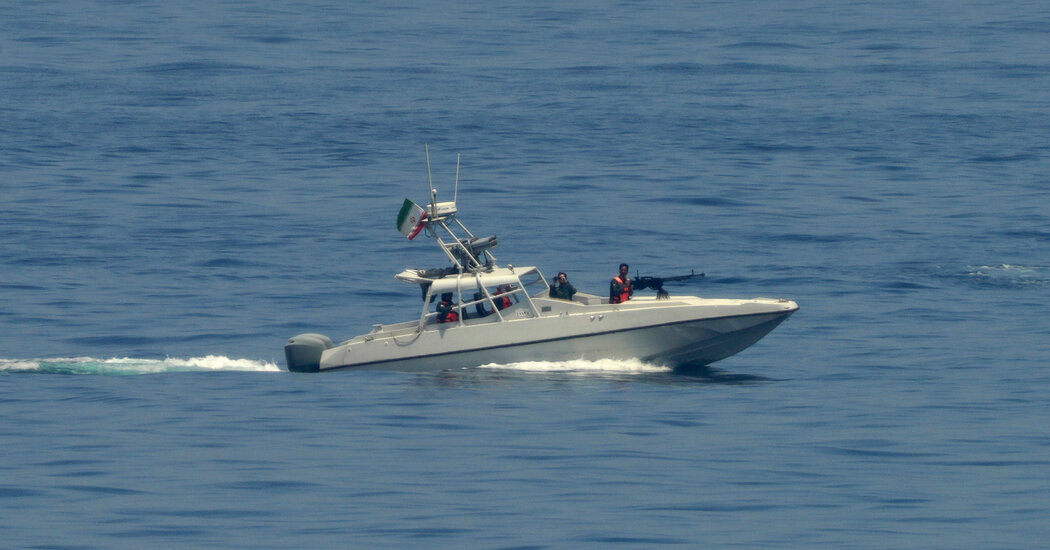
The Chinese Foreign Ministry has recently confirmed the passage of three Chinese ships through the Strait of Hormuz, one of the most important waterways in the world. This announcement was made by the ministry's spokesperson, Mao Ning, during a regular press conference, where she indicated that this transit was coordinated with relevant parties to ensure navigation safety.
Mao expressed China's gratitude to the parties that facilitated this transit, emphasizing the importance of the Strait of Hormuz as a vital route for international trade, especially in energy and essential goods. This statement comes amid growing concerns over tensions that could impact navigation in the region.
Details of the Event
This move is part of China's efforts to enhance its presence in the Arabian Gulf region, where it plays an increasingly significant role in trade and energy. The Strait of Hormuz, through which approximately 20% of the world's total oil passes, is a vital strategic point, making any movements within it subject to international scrutiny.
In recent years, the region has witnessed escalating tensions between Iran and the United States, affecting navigation safety. However, China seeks to maintain good relations with all relevant parties to ensure regional stability.
Background & Context
Historically, the Strait of Hormuz has been the scene of numerous political and military crises. The region has experienced recurring tensions, particularly with the escalation of Iranian military activities and the presence of American forces. In this context, China aims to strengthen its relations with Iran and other Gulf countries, viewing these relationships as essential to securing its energy needs.
China is also one of the largest oil importers in the world, making it heavily reliant on the stability of navigation in the Strait of Hormuz. Therefore, any threats that could affect this waterway may lead to significant economic repercussions for China and other importing countries.
Impact & Consequences
This Chinese move serves as a clear message regarding Beijing's commitment to navigation security in the region. These actions are expected to enhance cooperation between China and Gulf countries, potentially contributing to a reduction in regional tensions.
Furthermore, the passage of Chinese ships may encourage more countries to bolster their presence in the region, which could lead to shifts in the geopolitical dynamics of the Gulf. This step may also impact the strategies of the United States and its allies in the region, who seek to diminish Chinese influence.
Regional Significance
The Arabian Gulf region is a vital hub for trade and energy, and any changes in the policies of major powers like China could directly affect Arab countries. Strengthening Chinese relations with Iran and other Gulf states may contribute to regional stability, benefiting Arab nations that rely on importing oil and gas.
In conclusion, the passage of Chinese ships through the Strait of Hormuz represents an important step in enhancing relations between China and Gulf countries, reflecting Beijing's commitment to navigation security in one of the world's most crucial waterways.