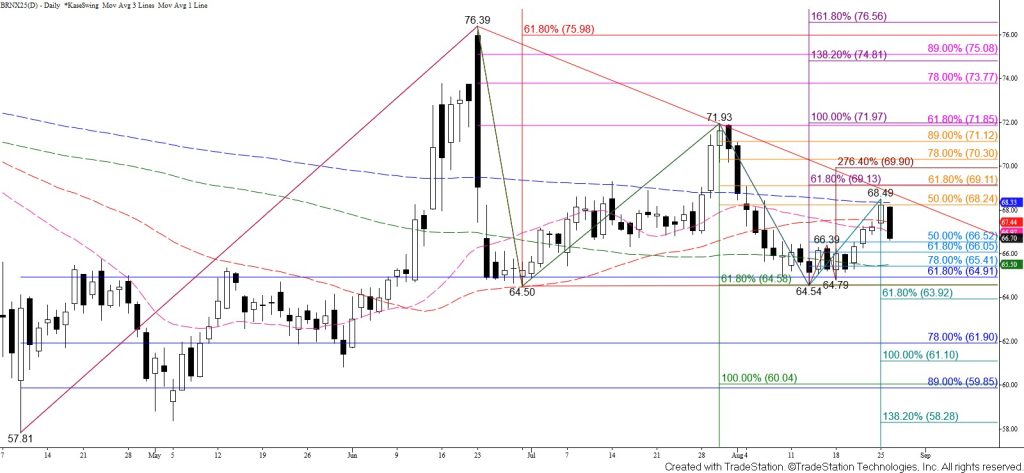
City Group predicts that the average price of Brent crude will reach $95 per barrel in the second quarter of this year, with forecasts indicating that the price could rise to $130 per barrel in a bullish scenario. These projections reflect an optimistic outlook in the oil market, as prices continue to rise due to increasing demand.
These forecasts come at a time when the oil market is experiencing significant fluctuations due to several factors, including geopolitical tensions, economic recovery post-COVID-19, and the production policies of oil-producing countries. Additionally, forecasts suggest that global demand for oil may continue to rise, potentially driving prices to higher levels.
Details of the Event
City Group anticipates considerable variability in oil prices in the upcoming period, with the bullish scenario relying on several factors, including the stabilization of political conditions in oil-producing countries and the continued economic recovery in major economies. At the same time, the market is expected to face some pressures due to increased production from certain countries, which may impact prices.
These forecasts are part of a comprehensive analysis of the oil market, where City Group closely monitors economic and political developments that could affect prices. Analysts expect that monitoring demand from China and the United States, the world's largest oil consumers, will be crucial, as any changes in their consumption patterns could significantly impact prices.
Background & Context
Oil prices have experienced significant fluctuations over the past few years, directly influenced by geopolitical events such as conflicts in the Middle East and economic sanctions imposed on certain oil-producing countries. The COVID-19 pandemic also had a substantial impact on global demand, leading to a sharp decline in prices in 2020.
As recovery from the pandemic began, prices started to rise again, driven by increased demand. However, there are still concerns that any changes in production policies or political conditions could lead to new market volatility.
Impact & Consequences
If City’s forecasts of Brent crude prices reaching $130 materialize, it could have significant repercussions for the global economy. Rising oil prices could lead to increased transportation and energy costs, impacting inflation in many countries.
Furthermore, higher prices may affect oil-consuming countries, where governments might need to take measures to mitigate the impact of rising prices on citizens. Conversely, oil-producing countries could benefit from increased revenues, potentially boosting their economies.
Regional Significance
Arab oil-producing countries are among the most affected by fluctuations in oil prices. If prices rise as City Group predicts, it could lead to increased oil revenues in countries like Saudi Arabia, the UAE, and Kuwait, enhancing their capacity to implement development projects.
However, these countries must be cautious of over-reliance on oil revenues, as any future fluctuations could impact the stability of their economies. Therefore, economic diversification is essential to ensure sustainable growth in the region.
In conclusion, oil price forecasts remain a vital topic requiring careful monitoring by investors and decision-makers. Understanding the factors influencing the market can aid in making strategic decisions aligned with future changes.