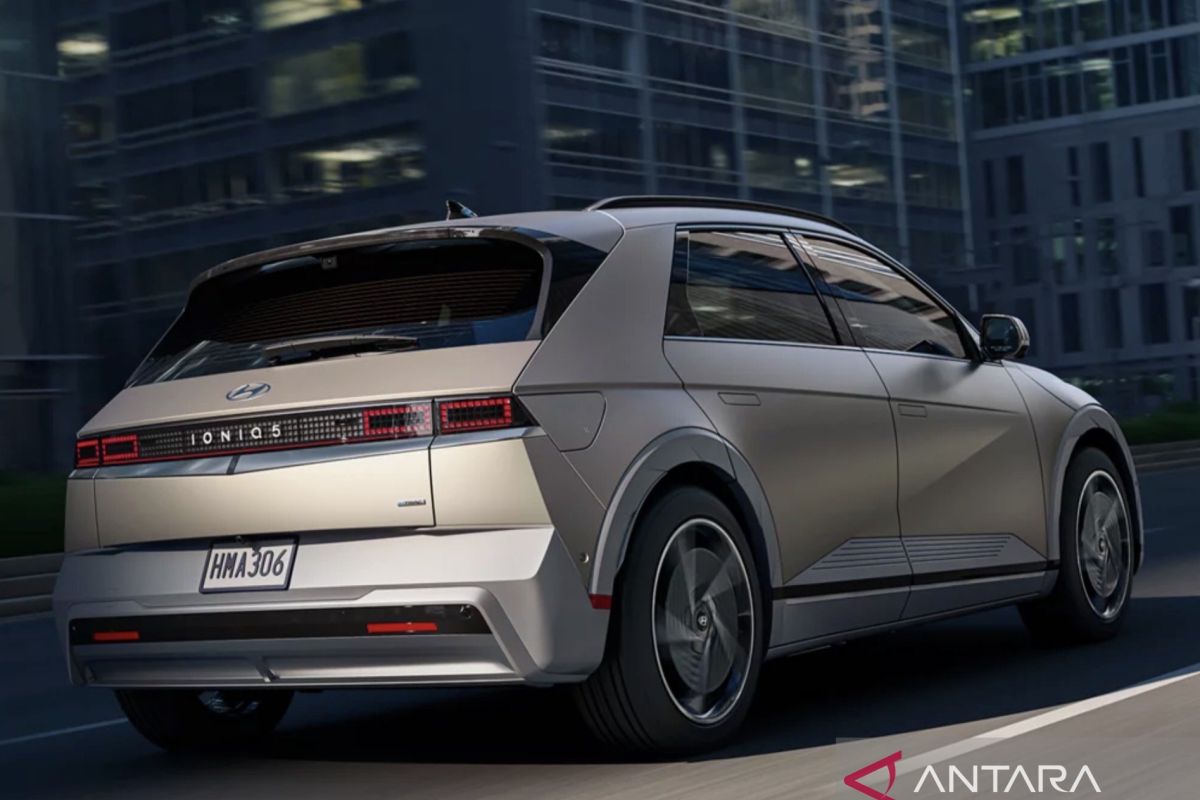
A number of electric vehicle owners from Hyundai Motor, Kia, and Genesis in the United States have reported filing a class action lawsuit against the company due to ongoing issues related to the Integrated Charging Control Unit (ICCU). These owners indicated that previous recalls did not resolve the issue but merely postponed it.
The complaint concerns models such as the Hyundai Ioniq 5 and Kia EV6, where owners claim that charging-related problems persist despite repair attempts. The ICCU is a vital component that manages the distribution of power between the high-voltage battery and the 12-volt system, ensuring the vehicle operates normally.
Details of the Lawsuit
The lawsuit is filed in the U.S. District Court in New Jersey, targeting Hyundai Motor, Kia, Genesis, and suppliers such as Hyundai Kefico. The affected vehicles include models produced from 2022 to 2025, including the Ioniq 5, Ioniq 6, EV6, and Genesis GV60, GV70, and GV80.
Documents submitted in the lawsuit indicate that the issue is not merely a technical malfunction but involves defects in the replacement components used during the recalls. Two plaintiffs, Hayes Young and Roy Williams, reported that the repairs conducted did not resolve their issues.
Background & Context
Hyundai and Kia are considered leading companies in the electric vehicle industry, which has seen significant growth in recent years. However, issues related to batteries and charging control units have become an increasing concern for consumers. As reliance on electric vehicles grows, ensuring the quality of the components used becomes paramount.
Historically, many major companies in the automotive industry have faced similar lawsuits due to product defects. These cases impact the reputation of the companies and lead to a loss of consumer trust, which may affect future sales.
Impact & Consequences
This lawsuit could have significant repercussions for Hyundai and Kia, potentially affecting the reputation of both brands in the electric vehicle market. If the claims are proven true, the companies may face substantial financial penalties and compensation for affected consumers.
Moreover, this case could increase pressure on other manufacturers to enhance the quality of their products and provide better guarantees for consumers. As companies compete to attract customers in the electric vehicle market, maintaining trust becomes vital.
Regional Significance
Electric vehicles are a modern trend in the Arab region, where many countries are striving to promote the use of clean energy. This case may influence Arab consumers' decisions regarding the purchase of Hyundai and Kia vehicles, potentially impacting sales of these brands in Arab markets.
In light of the global shift towards sustainability, it is essential for companies to commit to delivering high-quality products. Consumers in the Arab region should be aware of potential issues and make informed decisions when purchasing electric vehicles.