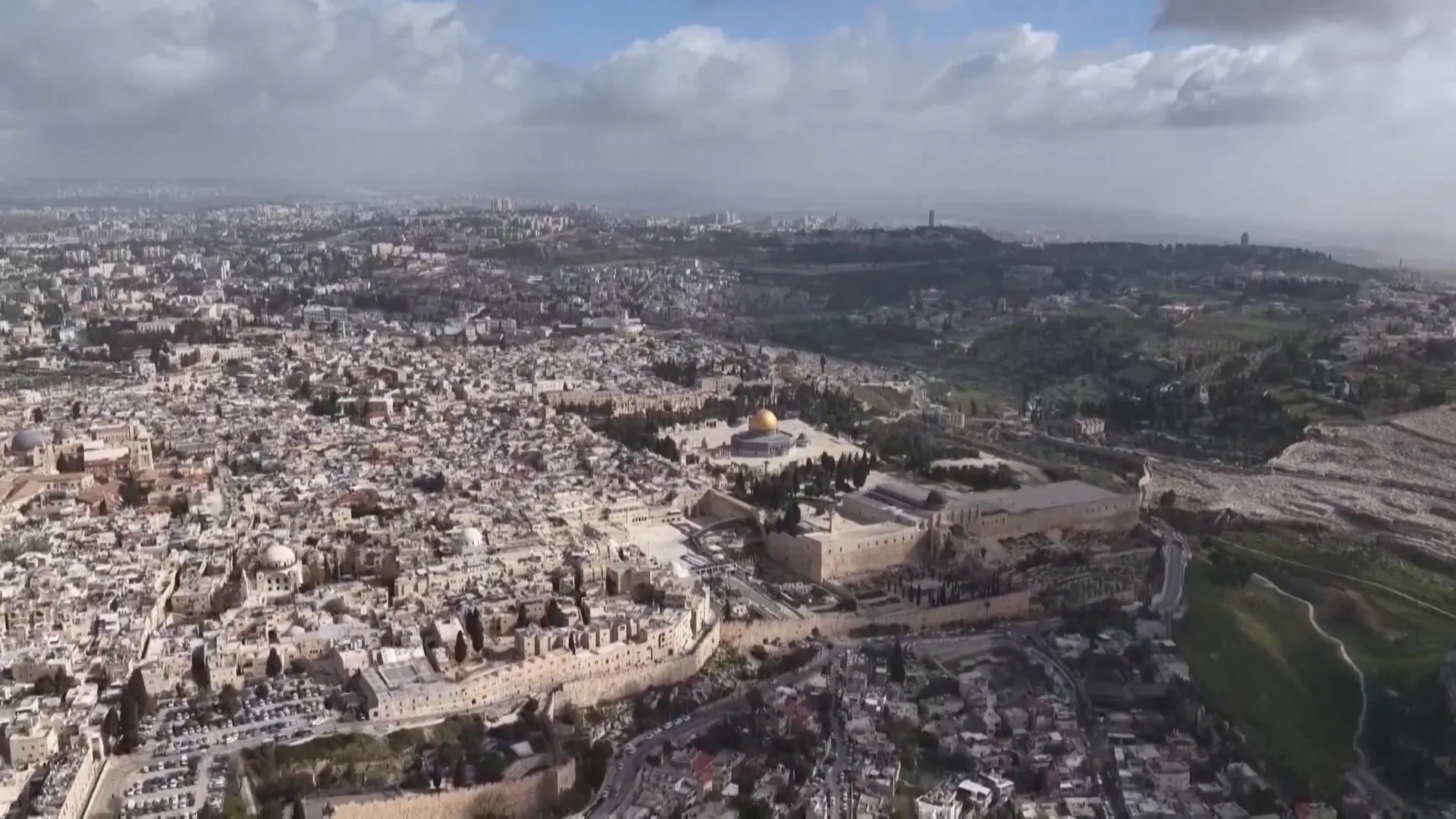
The Israeli occupation authorities persist in closing the Church of the Holy Sepulchre in occupied Jerusalem, despite the religious significance of this site during the Easter holiday. This measure is part of the state of emergency imposed by the Israeli home front, which relates to ongoing tensions in the region.
Under increasing international pressure, the authorities have permitted fewer than 15 clergy members from each of the five Christian denominations to conduct religious rites, but under strict conditions that prevent gatherings. This marks the first time in decades that the Church of the Holy Sepulchre has been closed, raising widespread concern among Christian communities.
Details of the Event
The Church of the Holy Sepulchre is considered one of the holiest Christian sites, believed to be built on the location of Christ's crucifixion and burial. However, its closure during Easter, regarded as one of the most important Christian holidays, reflects an escalation in Israeli security measures. Additionally, the occupation forces continue to close Al-Aqsa Mosque, exacerbating tensions in the Old City.
These actions coincide with rising tensions in the region, where Israeli-Iranian relations are increasingly strained, contributing to the prevailing anxiety among local populations.
Background & Context
Historically, the Church of the Holy Sepulchre has been open to visitors and Christian pilgrims, serving as an important spiritual center. However, the heightened security measures taken by the occupation authorities in recent years have negatively impacted access to this religious landmark. The past years have witnessed numerous tensions between Palestinians and Israelis, exacerbating the situation in Jerusalem.
Churches and religious sites in Jerusalem are particularly affected by political tensions, as these locations are seen as symbols of religious and cultural identity. With increasing political pressures, it seems that the situation in Jerusalem will remain influenced by regional and international tensions.
Impact & Consequences
The closure of the Church of the Holy Sepulchre during Easter has significant implications for relations between Christian and Israeli communities. This action may exacerbate feelings of frustration and anger among Christians, potentially affecting religious tourism to Jerusalem. Furthermore, these steps may bolster calls from the international community for intervention in the situation in Jerusalem.
Moreover, the continued closure of sacred sites could escalate tensions between Palestinians and Israelis, increasing the likelihood of new confrontations. The current situation requires the international community to take serious steps to ensure freedom of worship for all religions in Jerusalem.
Regional Significance
The events in Jerusalem hold great importance for the Arab world, reflecting the ongoing tensions in the region. The closure of the Church of the Holy Sepulchre during Easter may provoke strong reactions from Arab countries and Christian communities in the area, potentially leading to new diplomatic movements.
These events may also affect relations between Arab countries and Israel, as pressures mount on Arab governments to express their stance on Israeli violations. The situation in Jerusalem represents a significant challenge to peace and stability in the region, necessitating urgent international attention.
In conclusion, the situation in Jerusalem remains under scrutiny, with growing concerns about escalating tensions. The closure of the Church of the Holy Sepulchre during Easter serves as another reminder of the challenges faced by religious communities in the region, requiring urgent action from the international community to ensure freedom of worship.