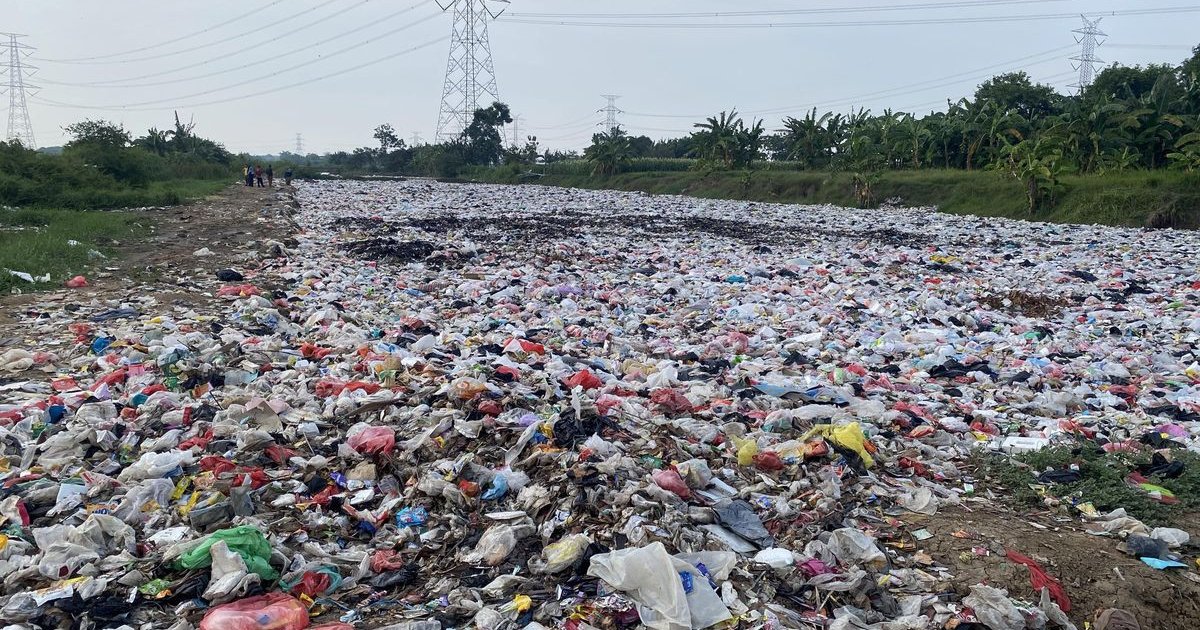
The Jakarta Environmental Agency (DLH DKI Jakarta) has announced the permanent closure of illegal waste sites at several locations in the Indonesian capital as part of a move to improve waste management and enhance public cleanliness. This announcement was made during a press conference held by the head of DLH, Asib Kuswanto, who emphasized the importance of expediting waste transfer operations from these sites.
The plans set forth by the agency include closing illegal waste sites by installing iron fences and enhancing monitoring through joint checkpoints involving local institutions such as village consultation committees and the police. A waste site in the Kali Anyar area has already been closed, with the waste transfer process completed, leaving the area clean.
Details of the Closure Event
The illegal waste site in the Rawadas area was closed in collaboration with local authorities, with the site fully cleaned by April 1. Currently, efforts are underway to address the waste site in the Kensna area, which is located under the Wiyuto Wiyono bridge.
Earlier, Jakarta Governor Pramono Anung Wibowo stated that the government would not allow temporary waste collection sites and that waste disposal methods in the capital would be reorganized. This decision came after videos surfaced showing waste trucks illegally dumping their loads into a waterway.
Background & Context
Jakarta, like many major cities around the world, faces significant challenges in waste management. Illegal waste disposal has become a chronic issue affecting both the environment and public health. In recent years, there has been increasing pressure on the government to improve waste management, especially with the rising population and rapid urban growth.
Historically, Jakarta relied on temporary waste collection sites, leading to the proliferation of illegal waste disposal. However, the current government is striving to change this reality by implementing stricter policies and collaborating with the local community.
Impact & Consequences
The closure of illegal waste sites is seen as a positive step towards improving the environment in Jakarta, as it will reduce pollution and enhance the quality of life for residents. Additionally, strengthening oversight of waste sites will help prevent the recurrence of this phenomenon in the future.
These measures are expected to lead to an overall improvement in waste management, which may contribute to enhancing the city’s image as a sustainable urban destination. Furthermore, these steps could inspire other cities in Indonesia and Southeast Asia to tackle similar challenges in waste management.
Regional Significance
Waste management is a critical issue facing many Arab countries, where numerous cities suffer from similar problems related to illegal waste disposal. Arab nations can benefit from the positive experiences that Jakarta is undertaking in this field, especially in light of increasing environmental challenges.
In conclusion, the permanent closure of illegal waste sites in Jakarta represents an important step towards achieving a clean and healthy environment, reflecting the government's commitment to improving the quality of life for residents. These actions may serve as a model for many countries facing similar challenges.