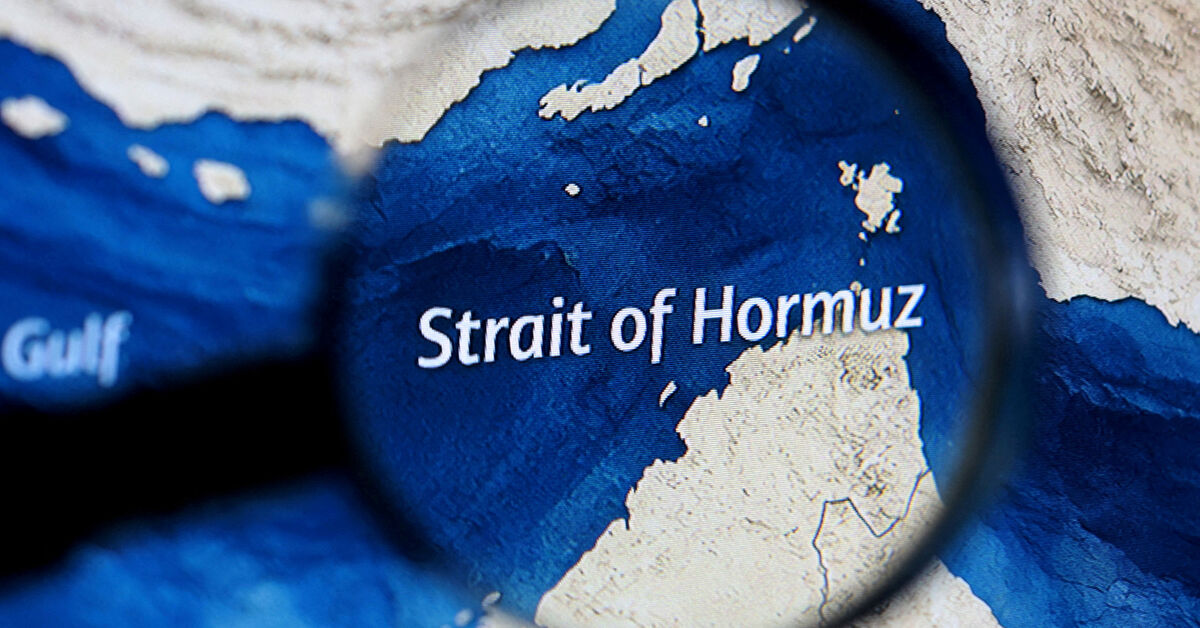
The closure of the Strait of Hormuz, a critical transit point for oil transport, has resulted in radical changes in the economic landscape of the Middle East. Analyses indicate that this closure has provided substantial financial benefits to Iran, Oman, and Saudi Arabia, while other nations have incurred losses estimated in billions of dollars due to the lack of alternative shipping routes.
This development follows a series of military pressures faced by Iran from the United States and Israel, where airstrikes at the end of February escalated the conflict in the region, prompting Iran to decide to close the strait through which approximately one-fifth of the world's oil and liquefied natural gas supplies pass.
Details of the Closure
The Strait of Hormuz is a vital crossing for oil transport, accounting for about 20% of global oil supply. With its closure, oil prices have seen a noticeable increase, directly impacting the economies of producing countries. Iran, which is suffering from economic sanctions, has found this closure an opportunity to boost its oil revenues, while Oman and Saudi Arabia have also benefited from rising prices.
Conversely, countries like Iraq and the United Arab Emirates are facing significant challenges, as their economies heavily rely on oil exports through this strait. The unavailability of alternative routes has exacerbated economic crises in these nations, leading to substantial losses.
Background & Context
Historically, the Strait of Hormuz has been a geopolitical flashpoint, witnessing numerous conflicts and disputes. For decades, there have been attempts to control this vital passage by regional and international powers. As tensions between Iran and the United States have escalated, the strait has become a major focal point for military and political conflicts.
In recent years, tensions have intensified following the U.S. withdrawal from the nuclear agreement with Iran, leading to the imposition of stringent economic sanctions. These sanctions have pushed Iran to adopt more aggressive measures, including the closure of the Strait of Hormuz as a means to pressure its adversaries.
Impact & Consequences
The closure of the Strait of Hormuz has far-reaching implications for the global economy. The rise in oil prices affects transportation and production costs, potentially leading to increased prices in global markets. Additionally, this situation may contribute to heightened political tensions in the region, as affected countries seek alternative solutions.
Moreover, this closure could pave the way for other countries like Russia and the United States to enhance their influence in energy markets. Under these circumstances, some nations may turn to seek alternative energy sources or develop new shipping routes to avoid reliance on the Strait of Hormuz.
Regional Significance
The closure of the Strait of Hormuz is a significant event impacting the global economy and reflecting geopolitical tensions in the region. It highlights the vulnerabilities of oil-dependent economies and the intricate balance of power in Middle Eastern politics.
In conclusion, the ongoing situation surrounding the Strait of Hormuz underscores the critical nature of this maritime route and its implications for both regional and global stability.