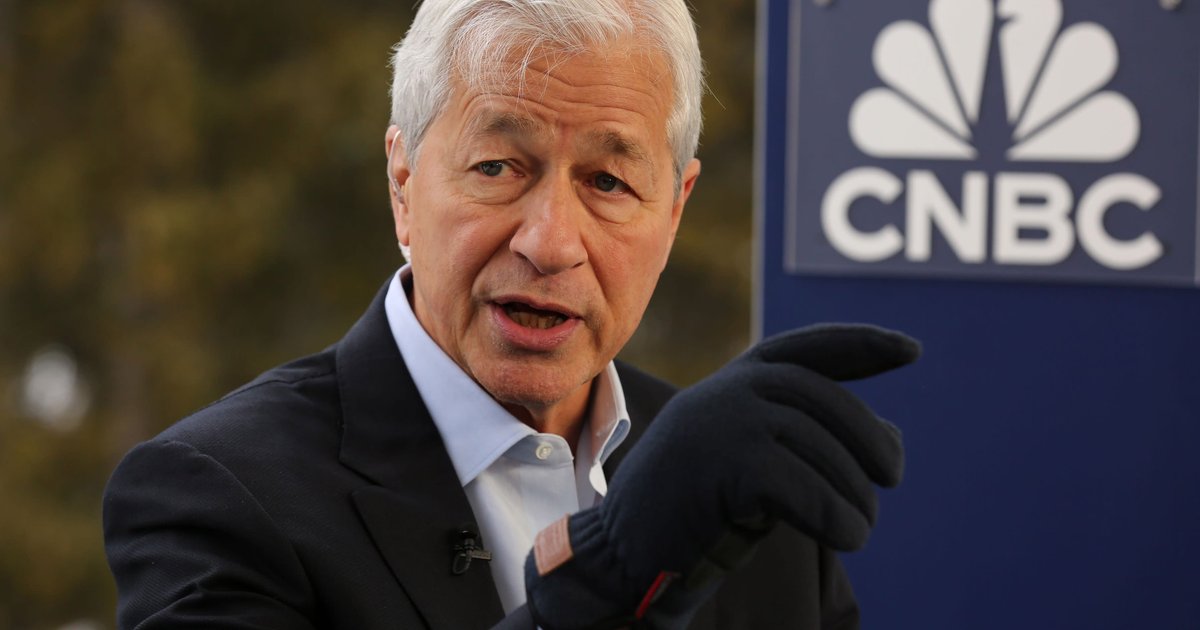
In alarming statements, Jamie Dimon, the CEO of JPMorgan, indicated that there are increasing risks that could affect financial markets in 2026, warning of a potential significant rise in inflation. Dimon referred to this increase as the "dirty fish at the party," highlighting the possible negative impact on investors and markets.
Dimon's remarks come at a time when the global economy is experiencing unprecedented volatility, with inflationary pressures mounting due to rising energy and food prices, along with supply chain disruptions. Dimon expressed concern that these factors could lead to a significant downturn in the stock market, negatively impacting investments and profits.
Details on Inflation Risks
Dimon, regarded as one of the leading figures in the financial sector, emphasized that markets need to prepare to deal with these challenges. He pointed out that rising inflation could lead to increased interest rates, which may burden both companies and investors. In this context, Dimon called for proactive measures to address these risks.
Inflation is one of the most pressing economic issues troubling governments and central banks worldwide. Many countries, including the United States, have witnessed a noticeable increase in inflation rates in recent years, prompting central banks to adjust their monetary policies.
Background & Context
Historically, financial markets have experienced significant fluctuations due to changes in inflation rates. In the 1970s, for example, a substantial increase in oil prices led to a sharp rise in inflation, adversely affecting economic growth. These historical experiences underscore the importance of monitoring inflation and its impact on financial markets.
In recent years, concerns about inflation have intensified due to the COVID-19 pandemic, which caused significant disruptions in supply chains and increased production costs. These factors have contributed to rising inflationary pressures, leading investors and analysts to question the future of financial markets.
Impact & Consequences
If Dimon's warning about rising inflation materializes, we may witness a significant downturn in financial markets, potentially leading to a loss of confidence among investors. This downturn could reflect on the economy as a whole, possibly resulting in reduced investments and slowed economic growth.
Moreover, increasing interest rates to combat inflation could raise borrowing costs, negatively affecting both companies and individuals. In this context, sound financial planning and adaptation to changing economic conditions are essential for maintaining financial stability.
Regional Significance
The implications of rising inflation are not limited to the United States; they resonate globally, affecting emerging markets and developed economies alike. Countries that rely heavily on exports may face challenges as inflation erodes purchasing power and disrupts trade balances.
In conclusion, the warnings issued by Dimon serve as a critical reminder of the interconnectedness of global economies and the need for vigilance in monitoring inflation trends. As stakeholders navigate these uncertain waters, strategic planning and risk assessment will be vital to mitigate potential adverse effects.