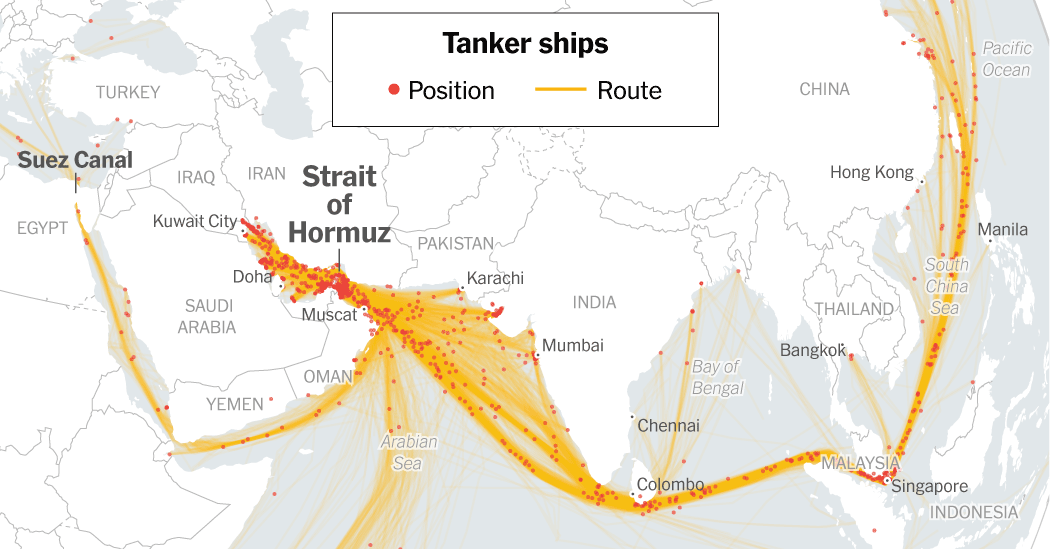
An eminent economic expert has warned that the closure of the Strait of Hormuz, one of the most important waterways in the world, will exacerbate the global energy crisis. He emphasized that this closure will double shipping and insurance costs, which will directly impact energy prices in global markets.
The Strait of Hormuz is a vital point for oil and gas transport, with approximately 20% of the world's total oil passing through it. Any closure of this passage would mean that vast quantities of oil would not reach the markets, leading to a significant rise in prices.
Details of the Event
In statements made, the expert clarified that the closure of the strait could occur due to escalating geopolitical tensions in the region, particularly with increasing threats from certain countries. The area has witnessed rising tensions in recent years, heightening concerns about the safety of navigation in this crucial passage.
The expert pointed out that shipping and insurance costs will see a noticeable increase, as companies will be forced to seek alternative routes for transporting oil, which will increase their financial burdens. Additionally, insurance for ships passing through the Strait of Hormuz may rise significantly due to the increasing risks.
Background & Context
The Strait of Hormuz is a narrow waterway connecting the Arabian Gulf to the Gulf of Oman and is considered one of the busiest maritime passages in the world. Historically, the strait has experienced numerous crises, including military conflicts and threats from armed groups, making it essential to secure it to ensure the flow of oil.
In recent years, tensions between Iran and Western countries have increased, leading to concerns about the safety of navigation in the strait. The region has seen several incidents, including attacks on oil tankers, which have heightened worries about the stability of energy supplies.
Impact & Consequences
If the Strait of Hormuz were to close, it would lead to a significant rise in oil prices, impacting the global economy. Oil-importing countries would face increasing pressures, potentially leading to higher inflation and increased living costs.
Moreover, oil-producing countries would face challenges in meeting domestic and international demand, which could lead to fluctuations in financial markets. Companies that rely on oil as a primary energy source would find themselves needing to reassess their strategies, potentially affecting economic growth.
Regional Significance
Arab oil-producing countries are the most affected by the closure of the Strait of Hormuz, as their economies heavily depend on oil exports. Any increase in oil prices will impact the revenues of these countries, potentially leading to reduced government spending and negative effects on economic development.
Furthermore, neighboring countries to the Strait of Hormuz will face increasing security challenges, as tensions may escalate between competing nations for influence in the region. This situation could lead to further instability in an area already suffering from crises.
In conclusion, the Strait of Hormuz remains a pivotal point in the global economy, and any change in its security status will significantly affect energy markets and global economies. It is crucial to monitor developments in the region to ensure supply stability.