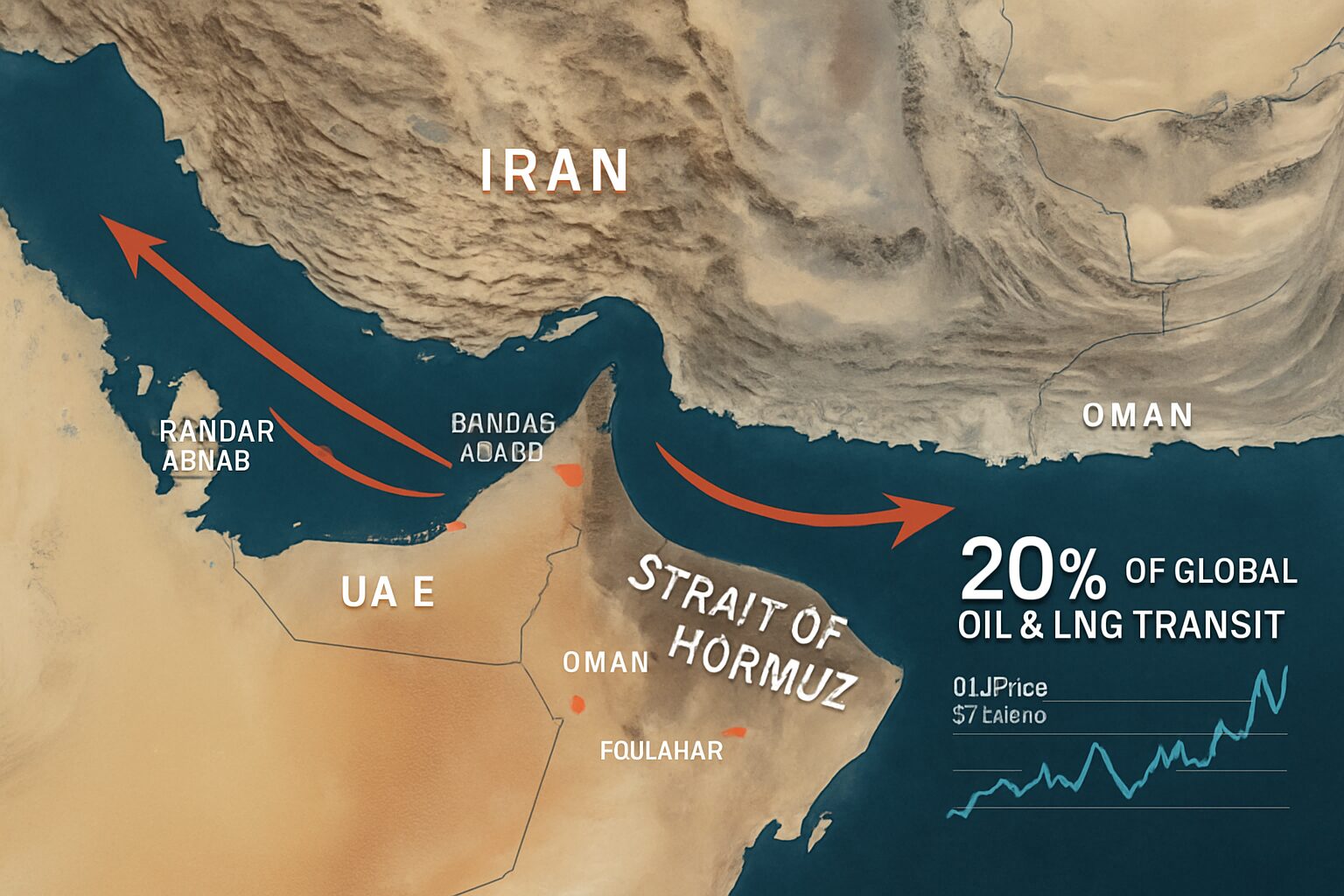
The closure of the Hormuz Strait has brought coal back into focus as an emergency solution for energy generation, raising serious questions about the future of the climate. This closure has halted approximately 20% of global oil and gas supplies, leading to a sharp increase in prices, especially in Asian countries that heavily rely on liquefied natural gas.
In light of this sudden disruption, coal has emerged as a necessary alternative, revealing the fragility of the global energy system in the face of geopolitical crises. Reports from The Economist indicate that Japan and South Korea have lifted restrictions on operating old coal-fired power plants that were on the verge of closure, reflecting a rapid shift in energy policies.
Details of the Event
Bangladesh is looking to increase its coal imports from Indonesia and South Africa, while the Philippines and India are boosting their local production to address the growing deficit. This shift comes at a time when liquefied natural gas prices in Asia have surged by more than 70%, while coal prices have only increased by 17%, making coal a less expensive option despite its high environmental costs.
Figures indicate that oil prices have risen by approximately 50% since the onset of the crisis, while liquefied natural gas prices have nearly doubled. In contrast, the price of Australian coal has only increased by about 25% since late February, reflecting relative stability in the coal market.
Background & Context
Historically, coal has been considered an outdated energy source, but geopolitical crises such as the closure of Hormuz have brought it back into the spotlight. Many major Asian countries like China and India rely on extensive infrastructure that can be quickly reactivated, providing them with greater flexibility in times of crisis.
In Europe, Italy has not been far from this trend, as it has decided to postpone the final closure of coal-fired power plants until 2038, which is 13 years later than previously scheduled. This delay reflects the widespread impacts of the crisis on energy policies across the European continent.
Impact & Consequences
These transformations indicate that the path to transitioning to clean energy, despite the massive investments made over decades, remains fragile in the face of geopolitical shocks. The return of coal, which many believed had become a thing of the past, raises questions about the sustainability of global efforts to combat climate change.
Concerns are growing that this return could exacerbate environmental crises, as coal is considered one of the most polluting energy sources. This situation presents countries with new challenges in balancing energy supply security with environmental protection.
Regional Significance
For Arab countries, the Hormuz crisis highlights the importance of diversifying energy sources. These developments may lead to increased reliance on gas and oil in some nations, raising questions about future energy strategies. Additionally, the shift towards coal could open new discussions on how to address climate change in the region.
In conclusion, the Hormuz crisis reflects the significant challenges facing the world in the energy sector and underscores the necessity of seeking sustainable solutions that ensure energy supply security while also protecting the environment.