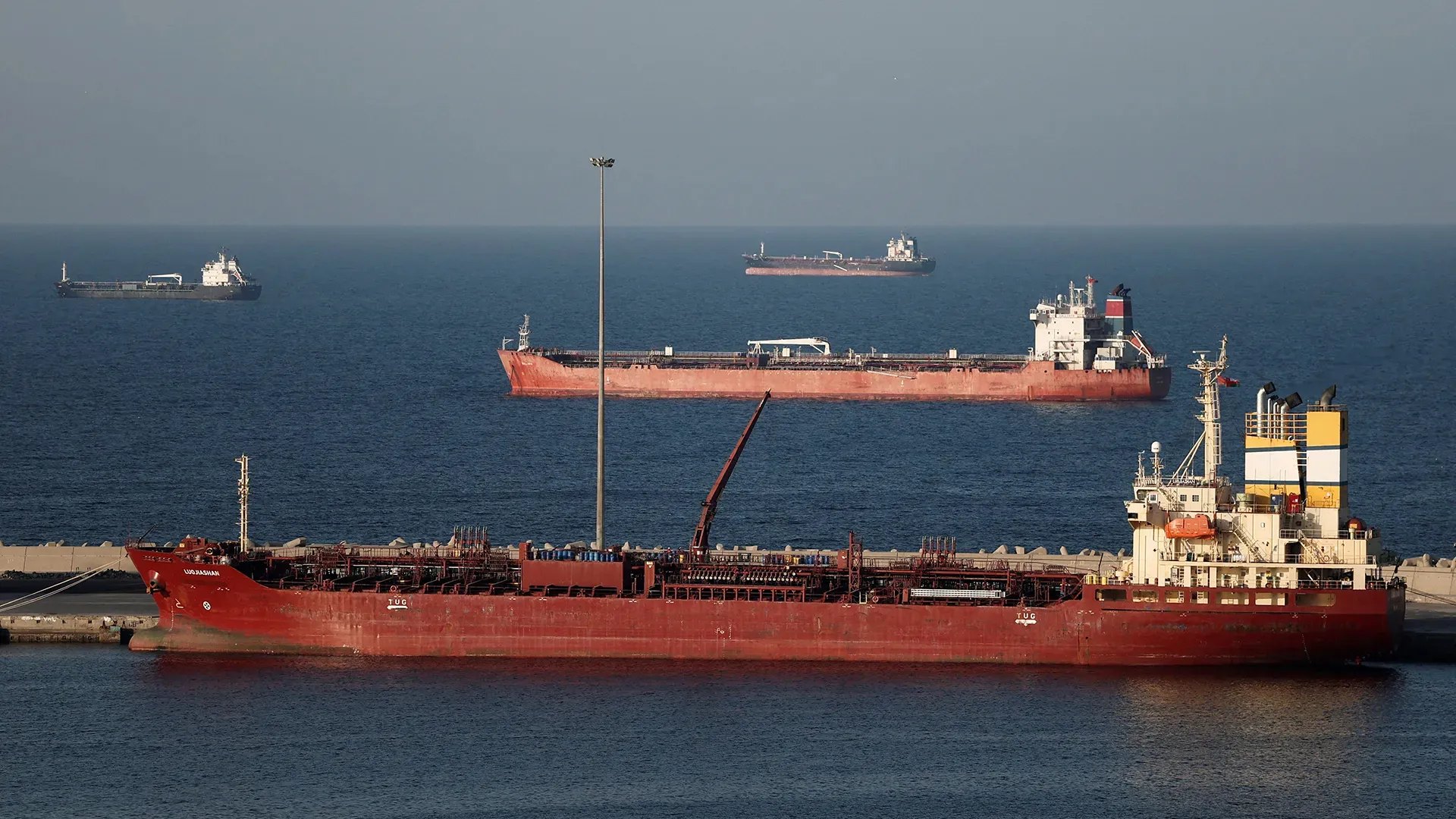
The closure of the Strait of Hormuz is increasingly impacting international shipping, with over 20,000 sailors facing difficult conditions amid rising transit costs and a lack of quick solutions to the crisis. The number of ships stranded in the region is rising, leading to disruptions in crew movements and delays in crew changes.
According to Captain Haitham Shaaban, a consultant and certified auditor from the International Maritime Organization, the number of ships halted in the Arabian Gulf exceeds 3,000 vessels, with estimates suggesting that the number of stranded sailors could reach 30,000. These figures indicate the scale of the crisis affecting this vital passage.
Details of the Situation
The current crisis extends beyond sailors being stranded at sea; it also affects crew change operations due to the expiration of contracts for many of them. The situation has become more complicated due to difficulties in traveling through airports in Gulf countries, which hinders crew movements and exacerbates their suffering.
Crew changes are being conducted through alternative routes such as Saudi Arabia and Oman, but these procedures face logistical challenges that also affect the delivery of essential supplies, including medicines, provisions, and spare parts for ships. Under these circumstances, confusion in maritime traffic is increasing, as the procedures lack a clear framework to regulate passage.
Background & Context
The maritime transport sector is characterized by a complex structure of ownership and flags, which reflects on the negotiation mechanisms for ship passage. Some countries, such as Thailand, Malaysia, India, and Pakistan, have managed to obtain approvals for their ships to pass, but these approvals are often not based on a clear mechanism and frequently depend on individual arrangements.
In this context, the International Maritime Organization held an emergency meeting of its council on March 18 and 19, where its Secretary-General was tasked with working to find a safe passage that ensures the smooth flow of navigation. However, these efforts have yet to yield tangible results, as restrictions on ship movements continue.
Impact & Consequences
Reports indicate that high fees are being imposed on some ships in exchange for allowing them to pass, with these fees potentially exceeding $2 million for a single oil tanker. Some ship owners have reported that these amounts are being imposed arbitrarily, increasing the financial pressures on the sector.
The challenges facing the global maritime transport sector are manifested in its connection to geopolitical tensions, threatening supply chains and raising shipping costs. As these restrictions persist, thousands of sailors remain stranded at sea, awaiting solutions that may take time to materialize.
Regional Significance
The crisis of closing the Strait of Hormuz is one of the vital issues affecting global trade, as this passage is one of the most important arteries of commerce. The current situation requires a swift response from the concerned countries to ensure maritime safety and alleviate the suffering of sailors.
In conclusion, the situation in the Strait of Hormuz remains concerning, as pressures on international shipping are increasing, necessitating urgent actions to prevent the crisis from worsening.