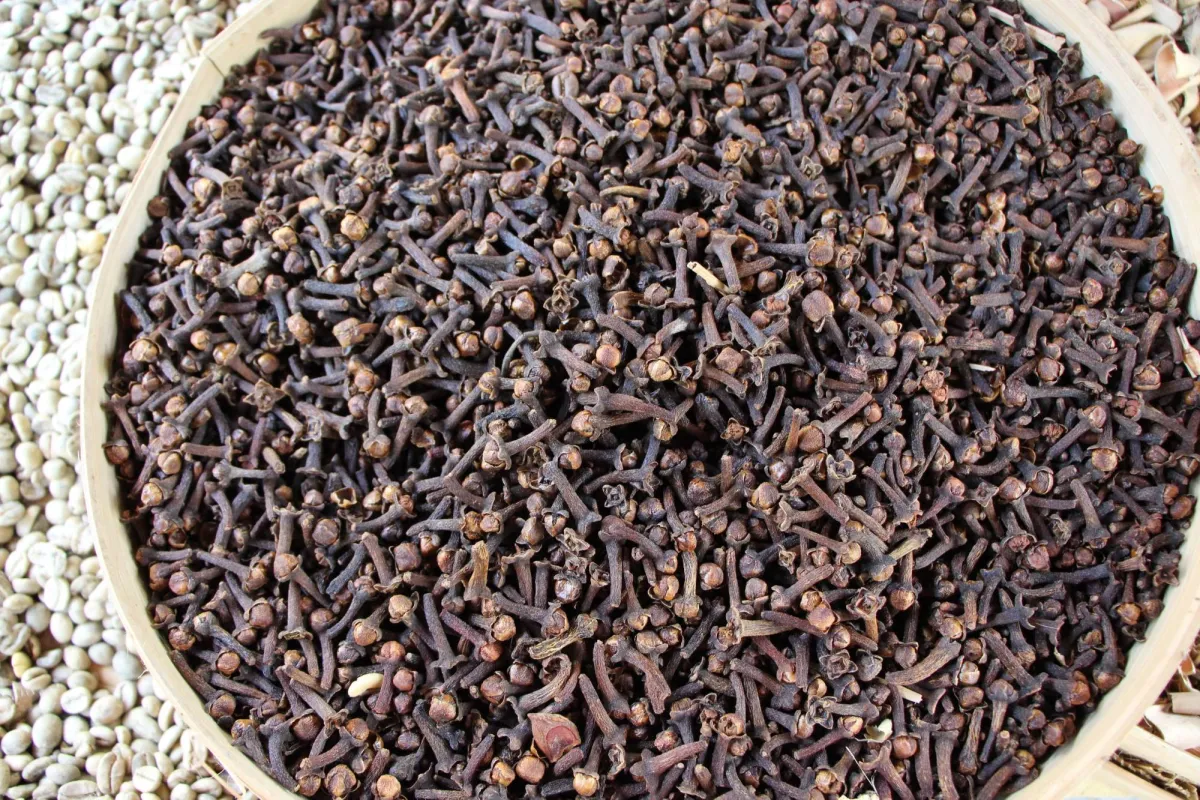
There is no specific scientific timing for consuming clove to treat prostate inflammation, as clinical studies have not shown clear evidence of the timing's effect on treating this condition. Clove is considered a supportive component within a healthy dietary pattern, rather than a primary treatment or substitute for medical intervention.
Clove can be consumed in various ways, depending on what suits the body. Some people prefer taking it in the morning on an empty stomach with a cup of warm water to enhance absorption, while others prefer taking it with food to reduce any potential side effects, especially for those who suffer from allergies or stomach irritation. However, it is advised not to overconsume it, as high doses may lead to digestive disturbances or undesirable effects.
Details of the Study
A recent scientific study conducted in Nigeria indicates that clove extract (Syzygium aromaticum), when used with other plants, showed a positive effect in reducing prostate enlargement in animals. The results demonstrated a decrease in indicators such as prostate volume and hormone levels associated with it, in addition to reducing oxidative stress and improving antioxidant activity, according to Taylor & Francis.
These effects are believed to be due to plant compounds such as polyphenols, which help regulate hormones and reduce inflammation and damage caused by free radicals. However, it should be emphasized that these results were conducted on animals and cannot be directly generalized to humans without sufficient clinical studies.
Background & Context
Clove is not considered a treatment for prostate inflammation, especially in bacterial cases that require medical treatment such as antibiotics. Relying solely on clove may lead to delays in appropriate treatment and exacerbation of symptoms. It is advisable to consult a doctor if symptoms of prostate issues persist, such as pain, difficulty urinating, or frequent urges to urinate. Accurate diagnosis is essential to determine the type of inflammation and the appropriate treatment, whether medical or supportive through a healthy lifestyle.
Clove can be used as an adjunct within a balanced diet, but the timing of its consumption is not a critical factor. The most important aspect is moderation and not considering it a substitute for specialized medical treatment.
Impact & Consequences
Reducing salt intake and replacing it with herbs is a simple yet effective step to lower blood pressure. Sodium is directly linked to high blood pressure, and when salt is reduced in food, the body begins to eliminate excess fluids, which alleviates pressure on arterial walls and improves circulation, according to Verywell Health.
Studies indicate that reducing salt may lower systolic pressure by about 4 to 5 mmHg within a week, and the decrease may reach around 8 mmHg within a month. The role of herbs is not limited to flavor compensation; some types have beneficial health properties, such as basil, rosemary, and garlic, which contain compounds that help dilate blood vessels and improve blood flow.
Regional Significance
In the Arab region, health awareness regarding the use of herbs and natural remedies is continuously increasing. Information about the benefits of clove and other herbs can contribute to promoting a healthy lifestyle among individuals, potentially leading to improved public health and reduced reliance on medications. However, this should be done cautiously and under medical supervision.
In conclusion, clove is a beneficial component within a balanced diet, but it should not be relied upon as a primary treatment for prostate inflammation or any other health condition. Medical consultation remains essential to ensure appropriate treatment.