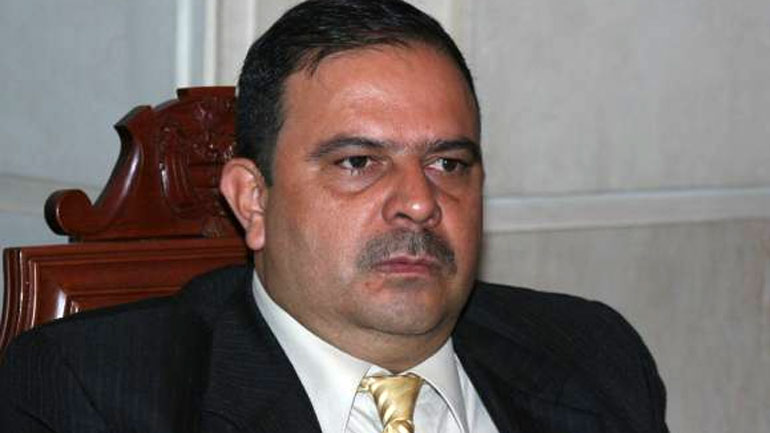
In a unique precedent, Colombian citizen Luis Carlos Rua revealed his identity after years of secret work documenting abandoned public projects in his country, achieving an unexpected victory in the elections to become a senator. Rua employed an innovative approach in his fight against corruption, often donning an elephant costume at various events, making him a symbol of anti-corruption in Colombia.
Just days before the elections, Rua decided to unveil his true identity after spending years documenting corruption and neglect in public projects. His efforts helped shed light on numerous abandoned projects, raising public interest and increasing awareness about corruption issues in the country.
Event Details
Over the past years, Luis Carlos Rua has documented many public projects that were left unfinished, such as roads, schools, and hospitals, which had been funded by the government. Rua utilized social media platforms to share images and information about these projects, helping to attract the attention of both the media and the public.
After becoming known as a champion of transparency, Rua decided to run for office as part of a new movement aiming to change the political landscape in Colombia. He garnered significant support from voters who were tired of rampant corruption in the government.
Background & Context
Historically, Colombia has suffered from widespread corruption at various levels of government, negatively impacting economic and social development in the country. These issues have contributed to the prevalence of poverty and widened the gap between the rich and the poor. In recent years, grassroots movements have emerged to confront this phenomenon, as citizens seek to restore trust in governmental institutions.
Luis Carlos Rua is part of this movement, representing the voice of individuals striving for change. Through his unique style of combating corruption, he has become a symbol of hope in Colombia, reflecting the people's desire to see real changes in the political system.
Impact & Consequences
Rua's victory in the elections represents a significant shift in the Colombian political landscape, reflecting voters' desire to elect new figures capable of addressing corruption. This success may encourage more citizens to engage in politics, potentially leading to positive changes in the political system.
Moreover, Rua's approach of using the elephant costume as a symbol of anti-corruption may pave the way for new forms of artistic and political expression in Colombia. This method could inspire other citizens in different countries, leading to similar movements aimed at combating corruption.
Regional Significance
Luis Carlos Rua's experience may serve as an inspiration for many Arab countries facing issues of corruption and mismanagement. In numerous Arab nations, citizens encounter similar challenges as they strive for transparency and accountability in their governments. Rua's story could motivate Arab citizens to engage in political action and demand change.
In conclusion, Luis Carlos Rua's election victory marks an important step towards enhancing transparency and fighting corruption in Colombia. His story highlights the significance of citizen participation in the political process and underscores the power individuals can wield in effecting change.