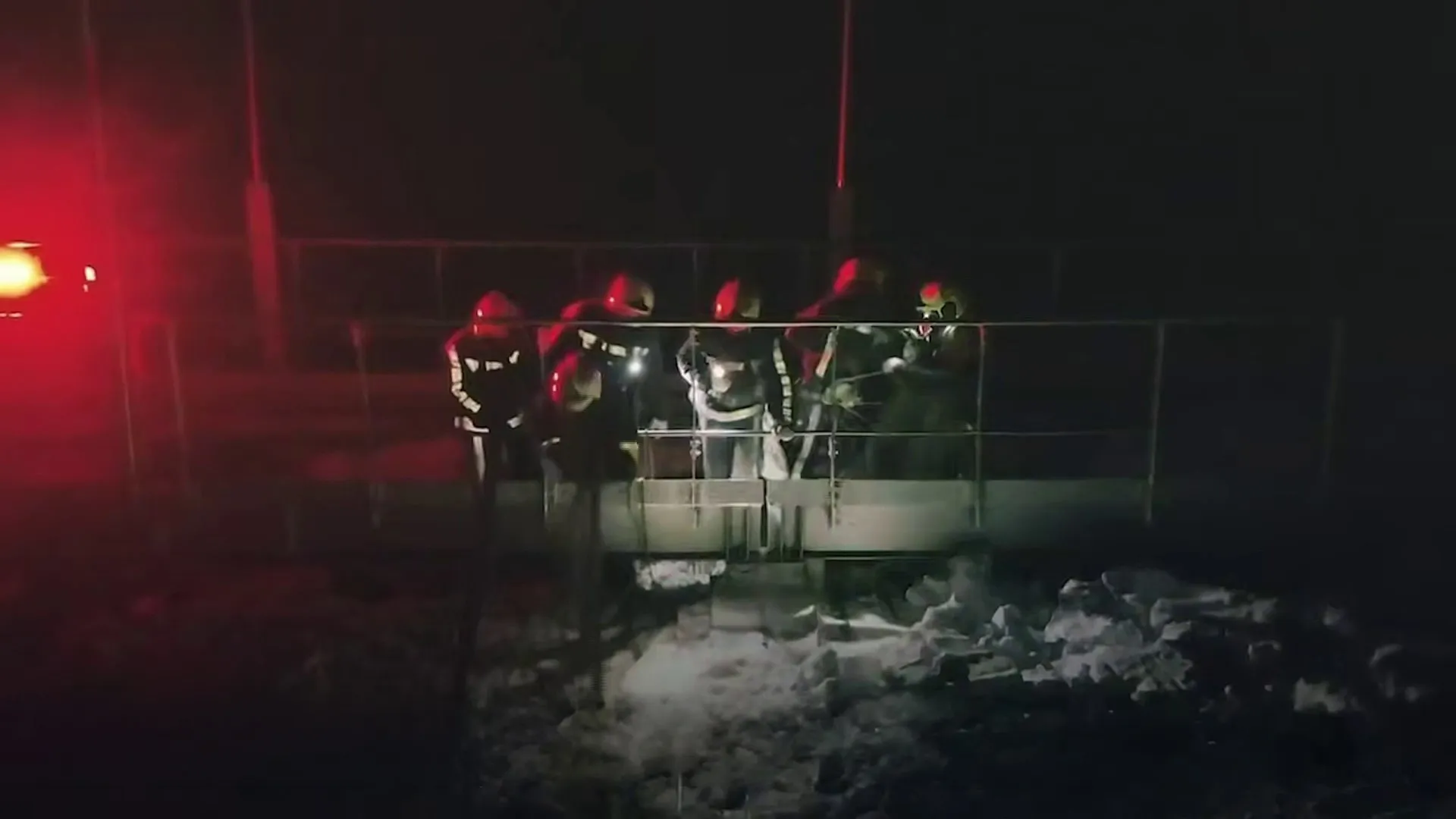
Ukraine commemorated the 40th anniversary of the Chernobyl nuclear power plant explosion, regarded as one of the largest disasters in human history. On April 26, 1986, an explosion occurred in reactor number four, releasing massive amounts of radiation into the atmosphere, impacting the lives of millions in Ukraine and neighboring countries.
Despite relative success in containing the risks stemming from this disaster, the situation in Chernobyl still requires significant attention. Reports indicate that radiation levels in the area remain high, raising concerns about environmental safety and public health.
Event Details
On this anniversary, events were held in Ukraine to honor the victims and highlight the efforts made to rehabilitate the area. Exhibitions and seminars were organized to discuss the effects of the disaster and the challenges of recovery. The role of scientists and researchers in studying the impact of radiation on the environment and human health was also emphasized.
Chernobyl is now considered a restricted area, yet some tourists visit to explore the remnants of the disaster. However, risks persist, as there remains a danger of radioactive contamination, necessitating strict precautionary measures.
Background & Context
Chernobyl is not just a historical incident; it symbolizes the dangers associated with nuclear energy. The disaster demonstrated to the world the severe risks of using nuclear power without adequate precautions. Following the incident, significant changes were made to nuclear safety policies in many countries.
The catastrophe also contributed to a shift in public perception regarding nuclear energy, with increasing calls for the use of renewable energy sources. Chernobyl has become a harsh lesson on the importance of transparency and oversight in nuclear projects.
Impact & Consequences
Many neighboring countries were affected by the radioactive leak, leading to increased rates of radiation-related illnesses. Thousands of residents were evacuated, impacting local communities and resulting in the loss of many homes.
The economic repercussions were also significant, with Ukraine incurring hefty costs for evacuation and compensation. The disaster influenced energy policies across Europe, prompting a reevaluation of nuclear power use in several nations.
Regional Significance
Despite the geographical distance, the Chernobyl disaster serves as an important lesson for Arab countries seeking to develop their nuclear programs. Many Arab nations have begun exploring nuclear energy as an option to meet their energy needs, which necessitates taking the lessons learned from Chernobyl into account.
Nuclear safety and transparency in managing nuclear projects are vital issues that Arab countries must focus on to ensure that such disasters do not recur.
In conclusion, the memory of Chernobyl remains vivid, reminding us of the importance of safety and transparency in all energy sectors. We must learn from the past to ensure a secure future.