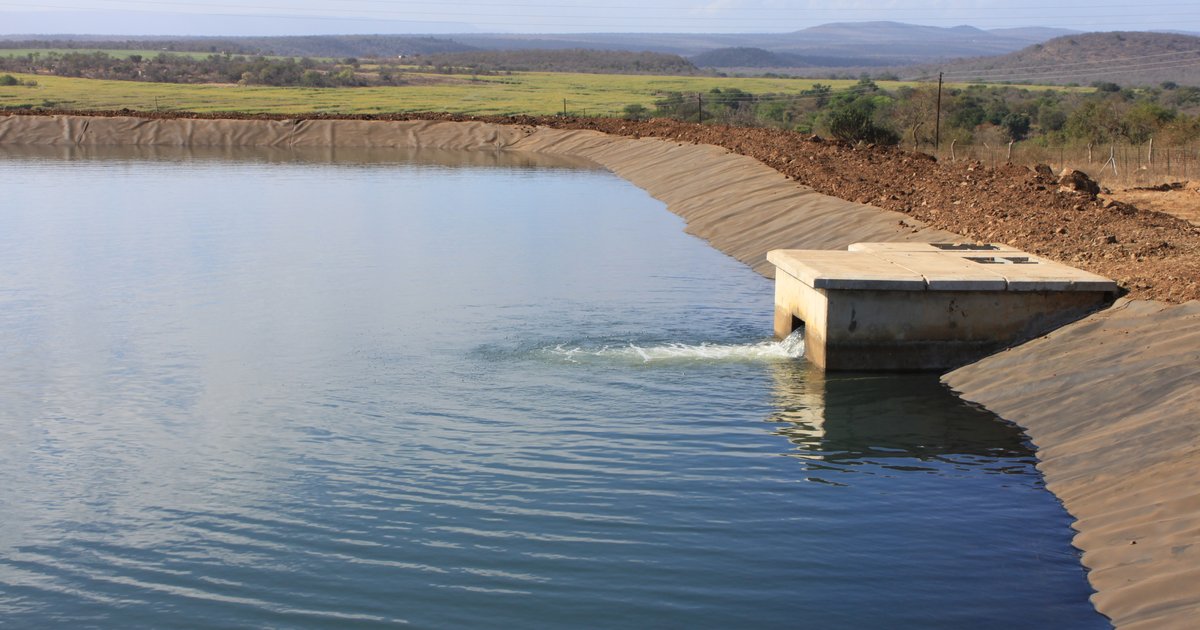
The local authorities in the Jordanian city of Aqaba have announced the completion of an earth dam system designed to protect the city from the dangers of flash floods. This initiative comes at a time when the region is experiencing increasing climate changes, raising the likelihood of flooding events.
Aqaba is a strategic area overlooking the Red Sea and serves as an important commercial and tourist hub. In recent years, the city has suffered from several flooding incidents that caused significant damage to property and infrastructure. Therefore, the establishment of these dams is a vital step towards improving safety levels in the city.
Details of the Initiative
The earth dam system consists of several dams distributed at strategic points around the city, designed to withstand large amounts of water flow during heavy rainfall periods. The project was executed in collaboration with local and international experts, reflecting the importance of this initiative in enhancing the city's capacity to face environmental challenges.
The system also includes an advanced monitoring system that allows local authorities to track water levels in the dams and predict emergency situations. This system will assist in making quick and effective decisions in the event of any emergencies.
Background & Context
Historically, Aqaba has been prone to flooding risks due to its geographical location and climate changes. The city has witnessed several catastrophic events resulting from floods, leading to loss of life and destruction of property. In this context, the Jordanian government's efforts to enhance infrastructure are part of its strategy to adapt to climate change.
These dams are part of a comprehensive plan aimed at improving water management in Jordan, a country suffering from severe water resource shortages. Thus, this project not only contributes to protecting Aqaba but also reflects the overall trend towards better water management across the kingdom.
Impact & Consequences
This initiative is expected to reduce the risks associated with floods, thereby boosting confidence among residents and tourists alike. Additionally, the improvement in safety levels will encourage investment in the city, potentially contributing to the enhancement of the local economy.
Moreover, the success of this project may encourage other countries in the region to adopt similar strategies to address environmental challenges. As climate risks increase, it becomes essential to share experiences and technologies among nations to enhance adaptive capacity.
Regional Significance
The issue of water management and flood mitigation is pressing in many Arab countries, especially those experiencing significant climate changes. Aqaba's experience in constructing earth dams could serve as a model for other nations facing similar challenges.
In conclusion, this step in Aqaba exemplifies how technology and civil engineering can be utilized to improve quality of life and protect communities from natural hazards. As climate changes continue, hope remains for further innovations in this field.