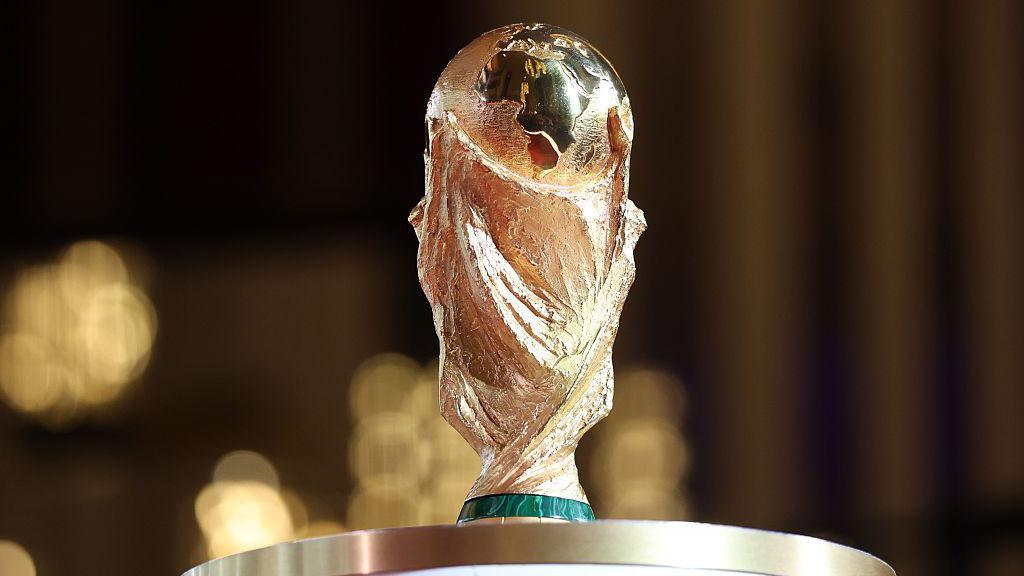
Concerns are increasing in the United States that the 2026 World Cup, which was anticipated to greatly enhance tourism, may not achieve the desired outcomes. As the tournament date approaches, attention is turning to hotels that may experience significant vacancies, causing widespread anxiety among business owners.
The World Cup, set to take place in several American cities, was expected to attract a large influx of tourists from around the globe. However, recent reports suggest that many hotels have not been able to secure bookings as anticipated, casting doubt on the event's ability to generate the expected tourism boom.
Event Details
The United States is preparing to host the 2026 World Cup, considered one of the largest global sporting events. Nonetheless, concerns are mounting regarding hotels' capacity to accommodate visitors. Estimates indicate that many hotels have not achieved the required bookings, which could lead to significant room vacancies.
The host cities for the tournament include New York, Los Angeles, and Chicago, all known for their tourist appeal. However, with growing doubts about bookings, many are questioning how this will impact the local economy.
Background & Context
Historically, major sporting events like the World Cup have been seen as key drivers of the local economy. In 1994, when the United States hosted the previous World Cup, the country experienced a tourism boom. However, the current circumstances are different, as the tourism industry is affected by several factors, including global economic changes.
Additionally, the COVID-19 pandemic has significantly impacted the tourism sector, leading many people to hesitate about traveling. This reluctance could have a direct effect on hotel bookings during the World Cup.
Impact & Consequences
If these trends continue, it could have a substantial impact on the American economy. A decrease in visitor numbers is expected to reduce revenues across various sectors, including restaurants and retail stores. Hotels facing vacancies may have to lower their prices, which would affect profits.
Moreover, failing to achieve the anticipated success from the World Cup could tarnish the United States' reputation as a tourist destination. This could result in diminished confidence among investors and business owners in the tourism sector.
Regional Significance
Regarding Arab tourism, the 2026 World Cup was seen as an opportunity for many Arab tourists to visit the United States. However, with increasing doubts about the event's success, Arab tourists may turn to other destinations, impacting travel and trade plans between the United States and Arab countries.
Ultimately, the question remains whether the United States will be able to overcome these challenges and achieve the desired success during the 2026 World Cup. The success of this event could have far-reaching implications for American tourism and the economy.