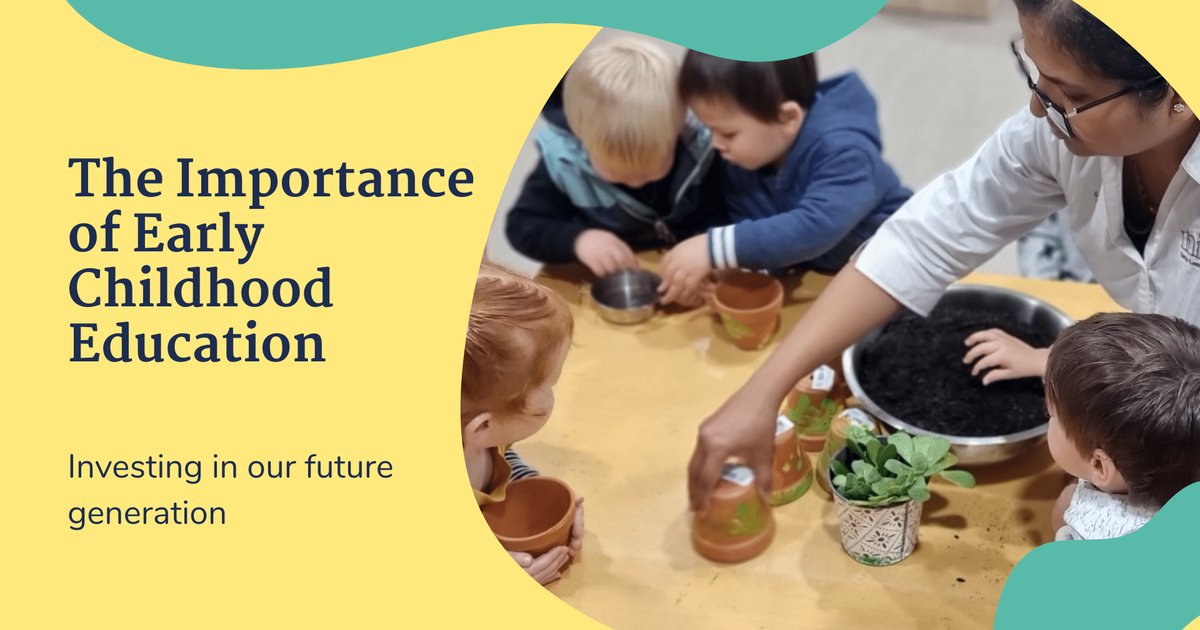
In Assiut, Egypt, early childhood training sessions have concluded as part of a project aimed at increasing children's enrollment in nurseries. This initiative reflects the government's efforts to enhance the quality of early education and provide better learning opportunities for young children.
The training sessions targeted the qualification of teachers and staff in nurseries, focusing on developing their skills in interacting with children and offering educational programs that meet their needs. A significant number of teachers and supervisors participated, showing great enthusiasm to apply what they learned in their work environment.
Event Details
The training was organized over several days and included workshops, theoretical lectures, and practical sessions. A number of experts in early education were invited to provide insights and new ideas on how to improve the learning environment for children. The importance of play as a teaching tool was emphasized, as research has shown that play enhances children's ability to learn and socially interact.
Additionally, topics related to children's mental health and how to support them in facing challenges during their early stages were addressed. Participants expressed significant interest in applying these concepts in their respective nurseries.
Background & Context
Early childhood is considered one of the most critical stages of education, significantly affecting a child's growth and development. In recent years, the Egyptian government has recognized the importance of enhancing early education, prompting the launch of several initiatives aimed at improving the quality of education in nurseries.
These training sessions are part of a comprehensive strategy aimed at increasing the enrollment rate of children in nurseries, as statistics indicate that the enrollment rate in Egypt remains low compared to many other countries. Therefore, improving the quality of early education is a fundamental step towards achieving sustainable development goals.
Impact & Consequences
These training sessions are expected to contribute to improving the quality of education in nurseries, positively reflecting on the education level in later stages. Increasing the enrollment rate of children in nurseries will also help promote equal educational opportunities, contributing to achieving social justice.
Moreover, enhancing the skills of teachers and staff in nurseries will help create a more supportive learning environment for children, boosting their ability to learn and interact with their peers. This, in turn, will assist in building a new generation of children capable of facing future challenges.
Regional Significance
Egypt's experience in promoting early education serves as a model for other Arab countries, many of which face similar challenges in this field. Improving the quality of early education can contribute to achieving sustainable development in the region and enhance children's opportunities for receiving quality education.
Furthermore, cooperation among Arab countries in exchanging experiences and best practices in early education can strengthen efforts to achieve educational goals for all.
In conclusion, this event represents a positive step towards improving early education in Egypt and reflects the government's commitment to developing this vital sector. Investing in early childhood education is an investment in the future of the nation.