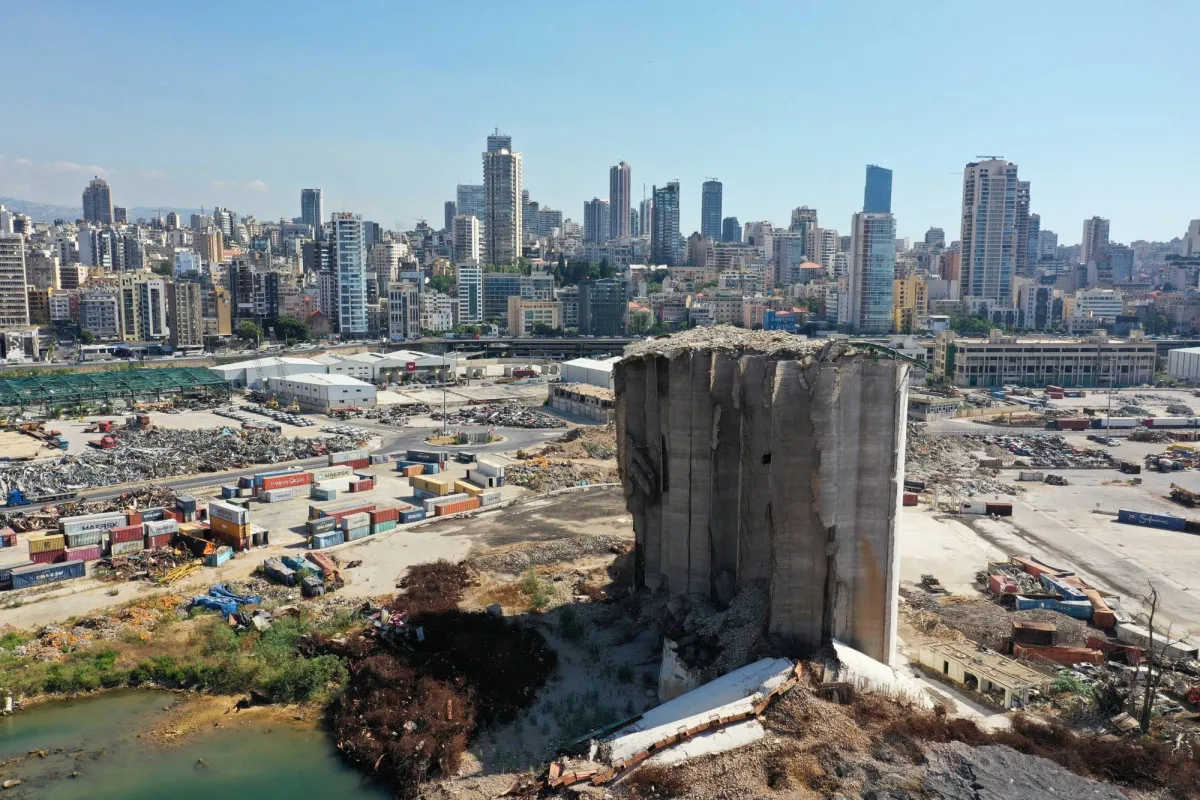
Judge Tarek Bitar has concluded his investigations into the Beirut port explosion, which lasted nearly six years and resulted in the deaths of over 220 people and thousands of injuries. A judicial source informed Agence France-Presse that Bitar decided to refer the entire file to the Public Prosecutor, Judge Jamal Al-Hajjar, after charging approximately 70 individuals, including politicians, security leaders, and military officials.
Since 2023, the investigation faced significant political challenges, as Hezbollah led a campaign demanding Bitar's resignation, resulting in dozens of lawsuits aimed at halting his work. However, Bitar resumed his work at the beginning of 2025, following a shift in the balance of power in Lebanon after the war the party fought with Israel in 2024, which weakened its position.
Details of the Investigation
The judicial source announced that the Public Prosecutor would study the file and present his findings before referring it back to the investigating judge, who will issue his preliminary decision and determine the responsibility of each of the accused. Bitar is expected to make decisions regarding about 20 defendants who appeared before him since the beginning of 2025, as no actions were taken against them at that time.
As for the other fifty individuals, the investigating judge has made decisions regarding them, either detaining them or releasing them under bail. It is noteworthy that there are currently no detainees in Lebanon related to the port explosion case.
Background & Context
The Beirut port explosion occurred on August 4, 2020, causing massive destruction in the Lebanese capital and resulting in the deaths of many innocent people. Lebanese authorities attributed the explosion to the storage of large quantities of ammonium nitrate within the port without taking preventive measures, which led to an unknown cause of fire.
It later became clear that many officials were aware of the risks of storing this material, yet they took no action. This explosion sparked widespread outrage in Lebanon, with citizens demanding accountability for those responsible for the disaster.
Impact & Consequences
The Beirut port explosion case is considered one of the most sensitive issues in Lebanon, reflecting the rampant corruption within the Lebanese political system. The results of the investigations could significantly impact the future of justice in the country and may help restore trust in the judicial system if those responsible are held accountable.
Lebanon faces significant economic and political challenges, and the explosion symbolizes governmental failure. The resumption of investigations may open the door to achieving justice, but under the current political circumstances, the question remains whether this justice will indeed be realized.
Regional Significance
The Beirut port explosion case serves as an example of the multiple crises facing the Arab region, reflecting corruption and mismanagement in many countries. The failure to hold those responsible for this disaster accountable may encourage the continuation of corruption in other nations.
Achieving justice in this case could have a positive impact on other Arab countries, as it may encourage citizens to demand their rights and hold corrupt officials accountable.
In conclusion, hope remains that the investigations will yield tangible results, contributing to rebuilding trust between citizens and the state and emphasizing the importance of justice in society.