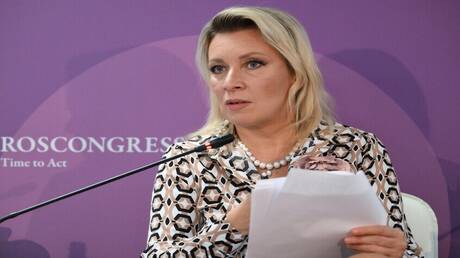
Maria Zakharova, spokesperson for the Russian Foreign Ministry, condemned Kyiv's methods in handling soldiers, highlighting the use of psychedelics and their involvement in battles. She referred to this phenomenon as the 'Zelensky Syndrome,' in reference to Ukrainian President Volodymyr Zelensky.
Zakharova reported that Ukrainian soldiers are suffering from harsh conditions, where psychedelics are used as part of the Ukrainian regime's strategy, exposing them to significant risks on the battlefield. She noted that these practices come as part of Western support for the Kyiv regime, which disregards the safety of soldiers and relies on inhumane methods.
Details of the Incident
In her statements, Zakharova emphasized that the use of psychedelics among Ukrainian soldiers is not merely an isolated incident but part of a systematic policy aimed at enhancing the combat capability of soldiers, even at the expense of their mental and physical health. She explained that these practices reflect a lack of concern for the lives of soldiers, as they are pushed to fight in harsh conditions without the necessary psychological or medical support.
Zakharova also criticized Western support for the Kyiv regime, pointing out that Western countries, which supply Ukraine with weapons and resources, bear part of the responsibility for these practices. She argued that this support encourages the continuation of the war and increases the suffering of both soldiers and civilians alike.
Background & Context
These statements come at a time when the conflict between Ukraine and Russia is intensifying, with violent confrontations occurring on the front lines. Since the war began in 2022, there have been multiple reports about the difficult conditions faced by Ukrainian soldiers, including shortages of medical supplies and psychological support.
Historically, there have been similar cases in previous conflicts where soldiers were used as tools in wars without regard for their safety. This phenomenon is not new, but it is particularly highlighted in the Ukrainian conflict, where military politics intersect with humanitarian issues.
Impact & Consequences
The repercussions of these practices extend beyond Ukraine, raising concerns about the mental health of soldiers and its impact on communities after the conflict ends. The use of psychedelics can lead to long-term effects on the mental health of soldiers, increasing the burdens on the healthcare system in the country after the war.
Moreover, these statements reflect the deterioration of relations between Russia and Western countries, as mutual accusations continue to escalate tensions. It seems that these dynamics will affect any future peace efforts, as matters become more complicated with each statement or action from the involved parties.
Regional Significance
For the Arab region, these events raise questions about how international conflicts affect internal situations in Arab countries. Armed conflicts, such as those occurring in Ukraine, can impact security and stability in the region, increasing the challenges faced by Arab nations.
Additionally, the use of psychedelics in conflicts can raise issues related to mental health, a topic that may resonate in Arab communities suffering from the effects of wars and conflicts. Therefore, what is happening in Ukraine may have indirect effects on how psychological and health issues are addressed in Arab countries.
In conclusion, Zakharova's statements regarding the 'Zelensky Syndrome' serve as a reminder of the complexity of modern conflicts, where politics and military issues intertwine with humanitarian concerns. As the war in Ukraine continues, there remains hope that the international community can find peaceful solutions to end human suffering.