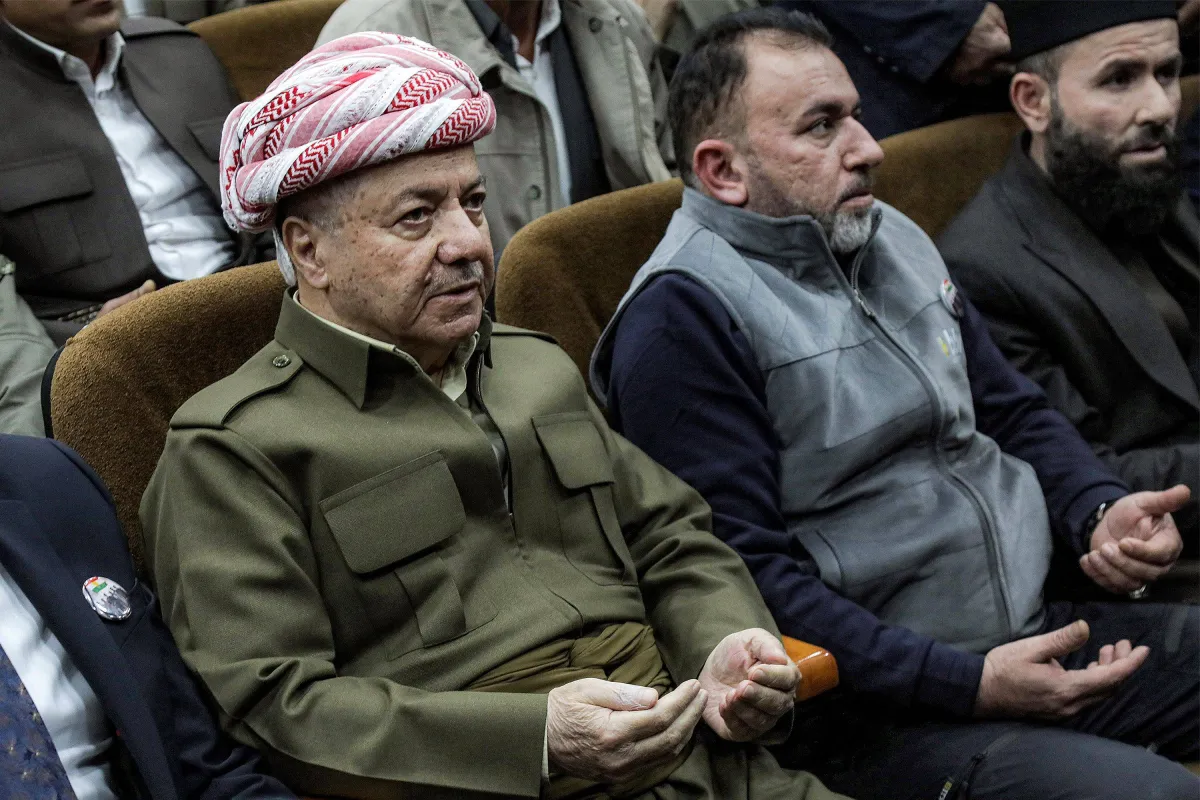
Nechirvan Barzani, President of the Kurdistan Region of Iraq, condemned the targeting of his home in the city of Erbil, holding the Iraqi government responsible for the repeated attacks on the region. This incident has provoked angry reactions at both political and social levels within Iraq and beyond.
In a statement, Barzani confirmed that his residence had been bombed five times, noting that these attacks come at a time when pressures from Iranian-backed armed factions are escalating. He clarified that the Kurdistan Region has never been part of regional crises, yet it faces unjustified attacks that threaten the lives and stability of its people.
Details of the Incident
On Sunday, Barzani announced that his home in Erbil was targeted by a drone, which sparked widespread condemnation. He pointed out that these attacks are not merely assaults on him personally but represent a threat to all areas of Kurdistan. He highlighted that armed factions have launched over 450 attacks with rockets and drones on the region in recent years, resulting in civilian casualties.
Barzani called on the Iraqi government to take a firm stance against these groups, warning that responses should not be limited to mere condemnations or statements, but must include actual measures to protect the region.
Context and Background
These statements come at a sensitive time, as the region is witnessing an escalation in military actions between armed factions and the Iraqi government. Reports have indicated that armed factions have begun targeting Syrian territories as well, complicating the security situation in the region.
It is noteworthy that the Kurdistan Region enjoys autonomy under the Iraqi constitution, placing it in a sensitive position between the central government in Baghdad and armed factions. The targeting of Barzani's home has elicited international reactions, including condemnations from Iran.
Implications and Consequences
The recent events underscore a sharp political divide in Iraq, as deputies from various blocs seek to convene a parliamentary session to elect a new president. This division may affect the government's ability to confront security challenges, including the repeated attacks on the Kurdistan Region.
If the parliament fails to achieve a two-thirds quorum, the current government will continue to manage the country, potentially increasing instability in Iraq and enhancing the influence of armed factions.
Impact on the Arab Region
These events highlight the ongoing tensions in Iraq and their impact on regional stability. The escalation of attacks on the Kurdistan Region could exacerbate the security situation in the area, affecting relations between Iraq and its neighbors.
Under these circumstances, the situation in Iraq remains under scrutiny, as citizens look to a government capable of ensuring their security and stability.