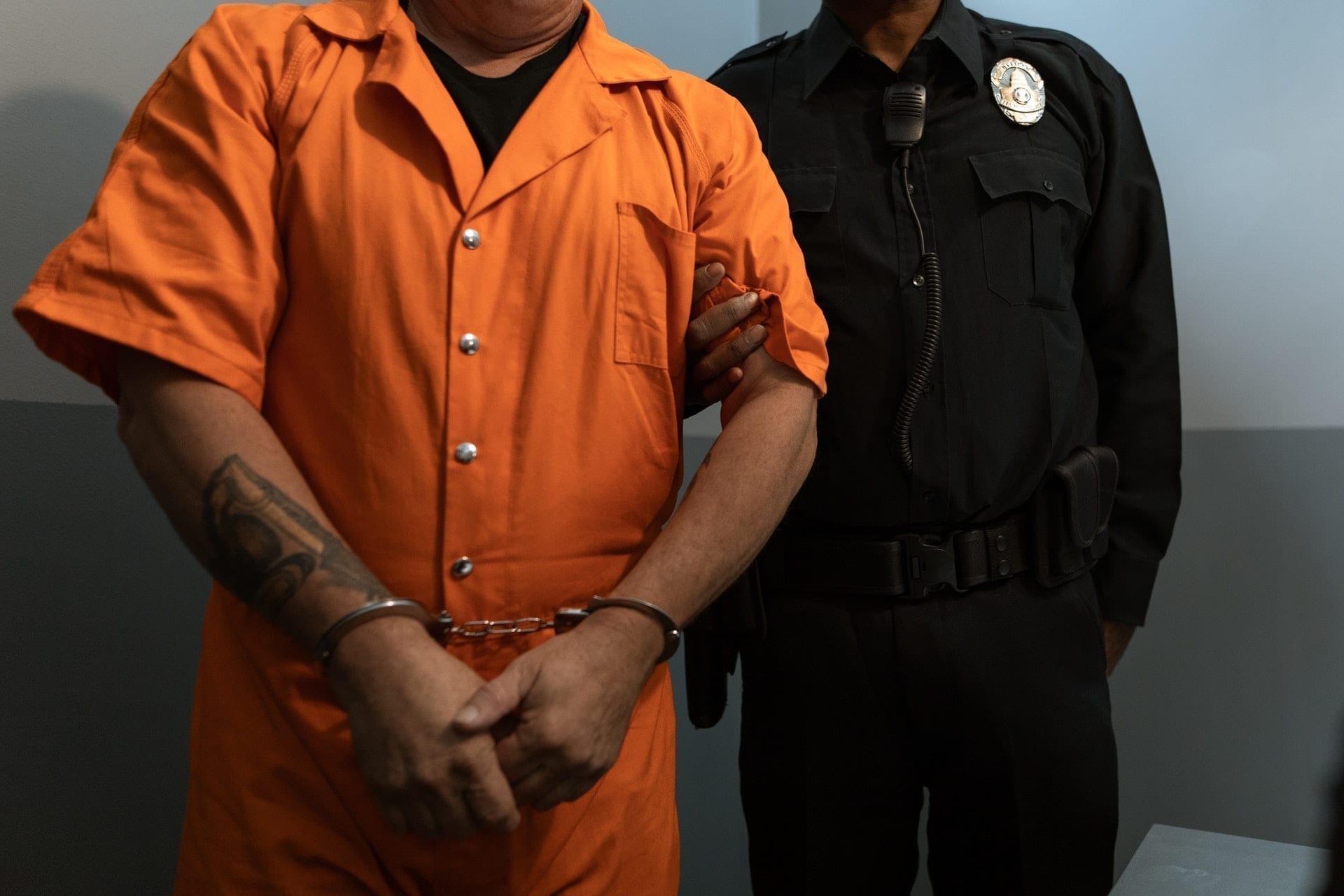
A recent report reveals a controversial mechanism allowing individuals to obtain conditional release instead of serving prison time by paying large sums of money. This practice raises significant questions about justice and equality within the judicial system.
This mechanism exploits legal loopholes that enable the wealthy to evade prison sentences, raising widespread concerns about the influence of money on justice. Amidst increasing cases of corruption and abuse of power, this phenomenon emerges as one of the major challenges facing judicial systems in many countries.
Details of the Mechanism
This mechanism pertains to the ability of individuals to pay substantial amounts of money to secure conditional release, allowing them to avoid serving their sentence in prison. Some reports indicate that this practice is not confined to a specific country but occurs in several nations worldwide, raising questions about social justice.
The process typically involves payments to certain entities, casting doubts on the integrity of the judicial system. Furthermore, this practice may lead to rampant corruption, as the wealthy can exploit these loopholes for their own benefit while the poor face harsher penalties.
Background & Context
The roots of this phenomenon trace back to ancient legal systems that relied on bail payments as a means of releasing defendants. Over time, these systems have evolved to become more complex, allowing the wealthy to exploit them. In many countries, the affluent enjoy greater opportunities for conditional release, reflecting inequality within the judicial system.
This issue is part of a broader debate about justice and equality in modern societies. Many question how justice can be achieved in the presence of significant disparities between the rich and the poor, and how judicial systems can effectively address these challenges.
Impact & Consequences
This phenomenon significantly impacts trust in the judicial system. When people feel that justice can be bought, it leads to a deterioration of faith in legal institutions. Additionally, these practices may foster corruption, complicating legal issues and negatively affecting society as a whole.
Moreover, this phenomenon may exacerbate the gap between social classes, increasing inequality in access to justice. This, in turn, could intensify social conflicts and heighten tensions within communities.
Regional Significance
In the Arab region, this issue holds particular importance, as many countries grapple with corruption and abuse of power. Concerns have grown that such practices may have contributed to the erosion of trust in judicial systems, complicating political and social conditions.
Addressing this issue requires joint efforts from governments and civil society to ensure justice and equality. There must be clear and transparent mechanisms to prevent the wealthy from exploiting legal loopholes, thereby enhancing trust in the judicial system and reducing corruption.
In conclusion, the issue of conditional release for money raises numerous questions about justice and equality in modern societies. Governments and judicial systems must work to address this phenomenon to ensure justice for all, regardless of their financial status.