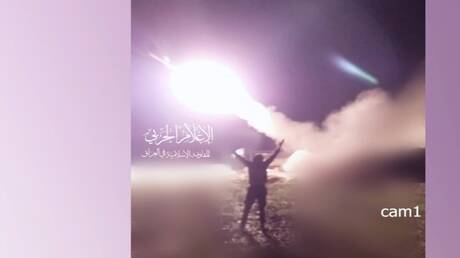
The Islamic Resistance in Iraq executed 23 military operations in the past 24 hours, utilizing drones and missiles targeting enemy bases in Iraq and the region. These operations reflect a notable escalation in the military activities of the resistance, occurring at a time when regional tensions are increasing.
The operations involved the use of dozens of drones, indicating the development of the resistance's military capabilities. Furthermore, targeting military bases reflects a clear strategy aimed at undermining the presence of foreign forces in Iraq.
Details of the Operations
Sources from the resistance clarified that the operations took place in several areas, targeting locations considered launch points for enemy forces. These operations follow a series of statements affirming the resistance's determination to confront any threats facing the country.
The Islamic Resistance employs advanced technologies in executing its operations, demonstrating the evolution of its military strategies. The use of drones also reflects a global trend towards utilizing modern technology in warfare.
Background & Context
The region is witnessing increasing tensions between regional and international powers, particularly with the presence of American forces in Iraq, which intensifies the conflict. Historically, the Islamic Resistance in Iraq has been part of the reaction against foreign presence, with its activities escalating in recent years.
The roots of the resistance date back to the American invasion of Iraq in 2003, when it was formed as a force to confront the occupation. Since then, it has evolved into a key player in Iraq's political and military landscape.
Impact & Consequences
These operations could lead to further escalation in the conflict, as foreign forces are likely to respond more aggressively to these attacks. Additionally, the continuation of these operations may affect stability in Iraq and complicate the security situation.
These operations also send a clear message from the resistance that any attempt to undermine Iraq's sovereignty will be met with a strong reaction. This escalation could increase tensions between Iraq and the United States, negatively impacting bilateral relations.
Regional Significance
Events in Iraq directly impact regional security, as these operations could encourage similar escalations in other countries suffering from foreign military presence. Moreover, these operations may inspire other resistance movements in the region.
In light of these circumstances, Arab countries must closely monitor developments, as any escalation in Iraq could affect stability across the entire region.
In conclusion, with the rising military activities of the Islamic Resistance in Iraq, the region appears to be heading towards a new phase of tensions. The current situation requires all concerned parties to work towards peaceful solutions to avoid further escalation.