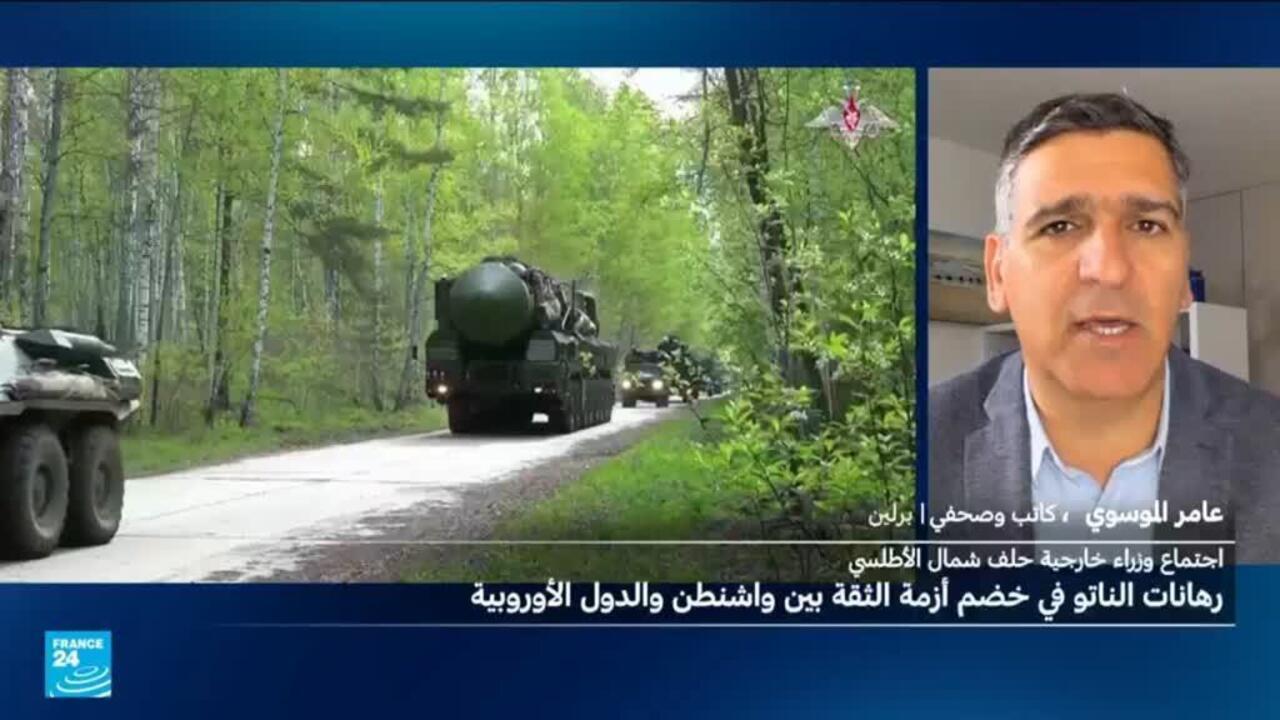
Russia and Belarus continue to conduct joint nuclear exercises, showcasing the depth of military cooperation between the two countries in light of current geopolitical circumstances. Moscow has announced the transfer of nuclear munitions to field storage sites within Belarus, raising questions about the messages Russia aims to convey to its adversaries.
Russian President Vladimir Putin confirmed that the use of nuclear weapons will remain an exceptional measure, indicating that this step is part of preparations to face any potential threats. These statements come at a time when tensions in the region are escalating, particularly with the ongoing conflicts in Ukraine.
Details of the Exercises
The nuclear exercises being conducted by Russia and Belarus involve a range of military activities aimed at enhancing the defensive capabilities of both nations. These exercises were announced at a sensitive time, as concerns grow over the escalation of the conflict in Ukraine and its impact on European security.
These exercises are part of Moscow's strategy to bolster its military presence in Belarus, reflecting Russia's commitment to support its ally in the face of Western pressures. Additionally, the transfer of nuclear munitions to Belarus is a symbolic step that illustrates Russia's readiness to utilize all available means to protect its interests.
Background & Context
Historically, Belarus has been viewed as a launch point for Russian military operations, especially amid rising tensions with NATO. Since the onset of the conflict in Ukraine, Russia has increased its military presence in Belarus, which has raised concerns among Western nations.
These exercises come at a critical juncture, as Russia seeks to send strong messages to the West indicating its readiness to defend its interests at any cost. Furthermore, these actions reflect changes in global military strategies, where the importance of nuclear weapons as a deterrent is increasing.
Impact & Consequences
The implications of these exercises extend beyond the Russian-Belarusian borders, affecting regional and international security. These steps could escalate tensions between Russia and Western nations, increasing the likelihood of new conflicts in the region.
Moreover, these exercises may impact relations between Russia and neighboring countries, which might feel a heightened threat due to the strengthening of Russian military capabilities. It is likely that Western nations will respond by increasing their military presence in the area, leading to a cycle of escalation.
Regional Significance
Amid these developments, many are questioning the impact of these exercises on the Arab region. The increasing tensions between Russia and the West may lead to shifts in regional policies, with some Arab nations potentially seeking to strengthen their ties with major powers.
Additionally, the situation in Ukraine could affect energy prices and global markets, directly impacting Arab economies. Therefore, it is crucial to closely monitor these developments to understand their potential effects on the region.
In conclusion, the Russian-Belarusian nuclear exercises reflect the rising geopolitical tensions in the world and highlight the importance of military preparedness under current conditions. The international community must be cautious in addressing these developments to ensure security and stability.