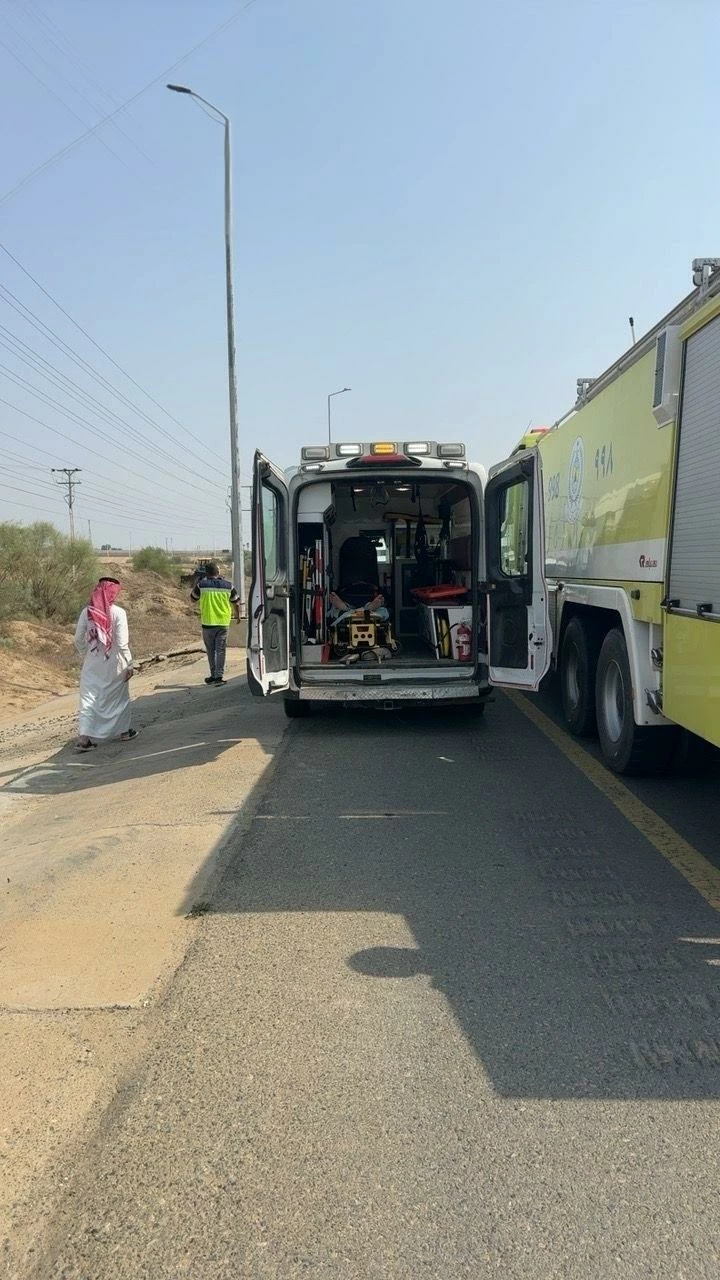
The municipality of Al-Tawal in the Jazan region, represented by the Disaster and Emergency Management Department, executed a significant field training simulation that mirrored bridge collapses, as part of efforts to enhance community and institutional readiness for disaster response.
The simulation involved a complex, realistic scenario that assumed partial and total collapses of several vital bridges, leading to the disruption of major roads and multiple injuries. The exercises focused on initial response speed, rescue and first aid operations, and search and rescue efforts under debris, in addition to early recovery mechanisms and the implementation of emergency shelter plans and comprehensive humanitarian relief.
Event Details
Specialized teams from security, health, and service sectors participated in the simulation to test the level of coordination among all parties and the effectiveness of the approved emergency plans. Participants demonstrated a high level of professionalism in coordination and rapid response, reflecting the significant efforts made in this field.
The Mayor of Al-Tawal, Engineer Abdulmajid Makhour, stated that this simulation is part of the municipality's comprehensive strategy to build high-level institutional capacities in disaster and emergency management. He emphasized their commitment to protecting lives and property and enhancing sustainability in the face of potential challenges.
Background & Context
The municipality of Al-Tawal is part of national efforts to enhance readiness for natural and human-made risks, with this simulation being part of a series of intensive periodic trainings aligned with Saudi Arabia's Vision 2030. This vision aims to ensure the safety and security of citizens and residents in the Kingdom.
Increasing challenges in the field of natural and human-made disasters require rapid and effective responses, making these trainings essential for enhancing institutional capacities and coordination among various entities.
Impact & Consequences
These simulations contribute to improving emergency response levels, thereby reducing potential damages in the event of actual disasters. They also enhance community confidence in the ability of relevant authorities to handle crises efficiently.
Additionally, these trainings provide an opportunity for knowledge exchange among different teams, contributing to the development of new and effective strategies to face future challenges.
Regional Significance
The experience of Al-Tawal municipality serves as a model in the Arab region, where many countries are striving to enhance their readiness for disaster response. The exchange of experiences and practices among Arab countries can improve emergency strategies and disaster response.
In conclusion, these simulations represent an important step towards building a safer and more prepared community to face future challenges, reflecting Saudi Arabia's commitment to enhancing national readiness.