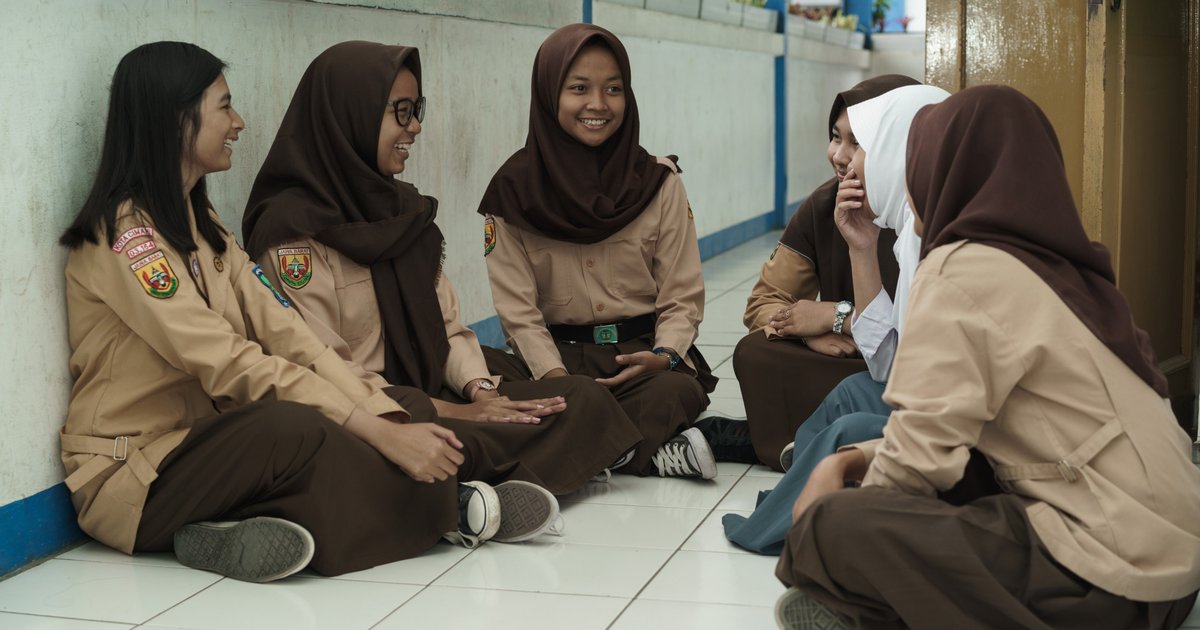
The National Nutrition Agency in Indonesia (BGN) has confirmed that the supply chain for the "Free Nutritious Meals" (MBG) program in the Riau Islands is functioning optimally, aiming to provide essential nutrition to vulnerable groups such as children and students. This was announced during a coordination meeting in the city of Batam, where the agency's Vice President, Soni Sonjaya, emphasized the importance of collaboration among all stakeholders to achieve the program's objectives.
Sonjaya explained that the program is not only focused on improving nutrition but also has a positive economic impact on the region by enhancing the food supply chain. He confirmed that the program supports over 579,270 beneficiaries in the Riau Islands, achieving an accomplishment rate of 85.26% of the set goals.
Event Details
During the meeting, it was confirmed that the MBG program is supported by 230 nutrition service units, 9,044 volunteers, and 509 suppliers. The city of Batam has emerged as the most successful area in implementing the program, housing 135 kitchens that serve 394,060 beneficiaries. Sonjaya stressed the importance of ensuring the regular availability of essential food items, such as rice and eggs, to meet the beneficiaries' needs.
He also emphasized the necessity of preventing any price manipulation or reduction in food quality, noting that the funds allocated for the program must be used responsibly, as they pertain to community interests.
Background & Context
The Free Nutrition Program in Indonesia was established as part of the government's efforts to improve children's health and enhance education by providing nutritious meals. This initiative comes at a time when many families are facing economic hardships, making access to healthy food challenging. Studies have shown that good nutrition plays a vital role in improving children's academic performance.
The Indonesian government aims to enhance food security through similar programs, considering proper nutrition as a foundation for building a healthy and strong community. Several previous programs have been implemented to improve the nutritional status in the country, but the MBG program is among the most comprehensive.
Impact & Consequences
The MBG program is regarded as an important step towards achieving sustainable development goals in Indonesia, contributing to reducing malnutrition rates among children. Additionally, the program enhances families' ability to meet their nutritional needs, positively reflecting on the local economy.
The program's successes require ongoing collaboration between the government, civil society, and the private sector. This collaboration demonstrates how nutrition initiatives can make a real difference in people's lives, especially in remote areas.
Regional Significance
The lessons learned from the MBG program can be beneficial for Arab countries facing similar challenges in nutrition and food security. Some countries are experiencing high rates of malnutrition among children, necessitating effective measures to improve the situation.
Enhancing cooperation among Arab countries in the fields of nutrition and agriculture can contribute to achieving food security and bolster social and economic stability in the region.
The success of the Free Nutrition Program in Indonesia highlights the importance of collaboration and coordination among various entities to achieve common goals. It serves as a model for other countries seeking to improve the health of their populations and ensure access to healthy and nutritious food.