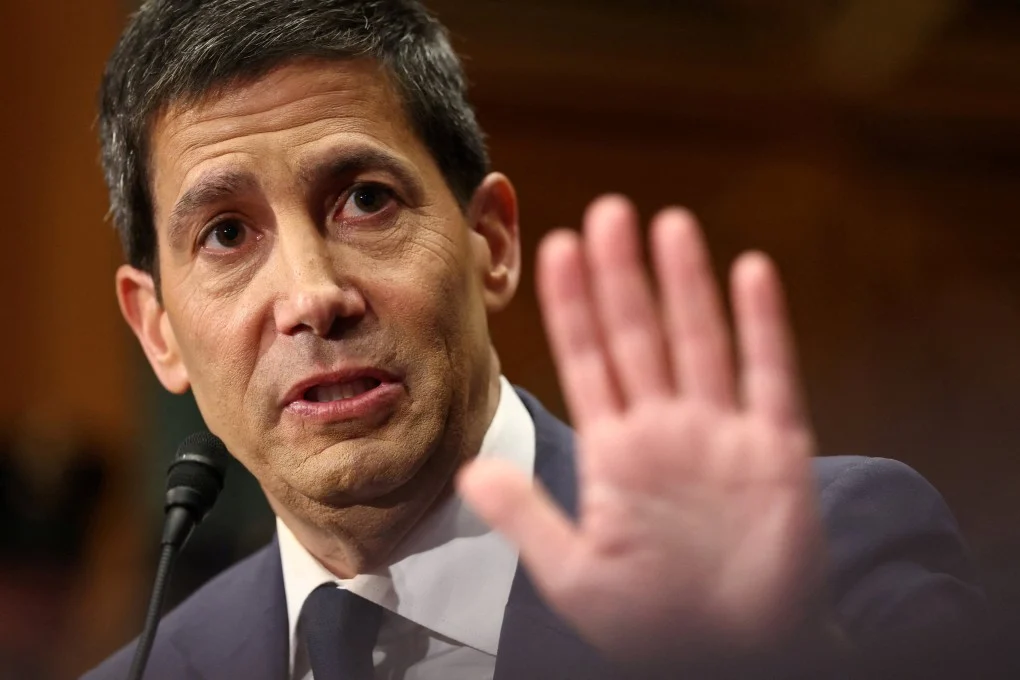
Kevin Warsh has been confirmed as the Chair of the U.S. Federal Reserve, igniting discussions about the implications of his policies for the global economy. This confirmation came after a vote in the U.S. Senate, which approved his appointment with a majority of 54 votes against 45, succeeding Jerome Powell, whose term ends on Friday.
Warsh's appointment comes at a sensitive time, as many expect him to seek political alignments with the administration of President Donald Trump. These alignments could impact the credibility of the U.S. economy, potentially leading to a boost in Chinese assets in global markets.
Event Details
The appointment of Kevin Warsh occurs amidst increasing pressure on the Federal Reserve to adapt to global economic changes. Warsh is considered an influential figure in the financial sector, having previously served as a member of the Federal Reserve Board. Many observers have noted that his policies may include interest rate cuts, which could positively reflect on Chinese financial markets.
Concerns are growing that new political directions may undermine confidence in the U.S. economy. At the same time, China could benefit from these shifts, as the attractiveness of its assets may increase in light of a weakening U.S. dollar.
Background & Context
Historically, the United States has witnessed significant changes in its monetary policies, especially during economic crises. Warsh's appointment follows a period of political and economic pressures faced by the country. In recent years, there have been increasing calls for a change in monetary policies to meet the needs of the evolving U.S. economy.
Additionally, economic relations between the United States and China have seen heightened tensions, making this appointment a pivotal factor in determining the future of these relations. Under these circumstances, analysts expect substantial impacts on global markets.
Impact & Consequences
Warsh's appointment could lead to radical changes in U.S. monetary policies, which may affect global financial markets. If his policies lean towards interest rate reductions, this could enhance China's ability to attract foreign investments.
Moreover, these changes may increase pressure on the U.S. dollar, potentially negatively impacting the U.S. economy in the long term. Consequently, the potential effects of this appointment could extend across various economic sectors.
Regional Significance
For the Arab region, changes in U.S. monetary policies could influence foreign investments in Arab countries. If the dollar weakens, Arab assets may become more attractive to investors. Additionally, tensions between the United States and China may affect trade relations between Arab nations and both countries.
In conclusion, Kevin Warsh's appointment represents a turning point in U.S. monetary policy, with potentially far-reaching implications for the global economy, including the Arab region.