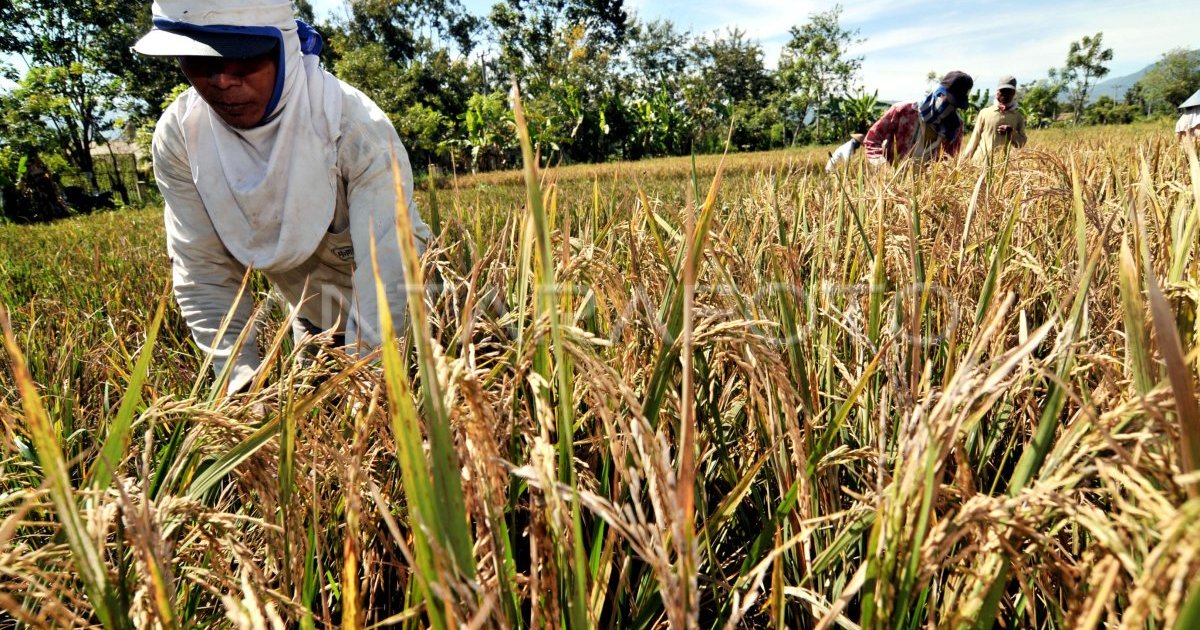
Indonesian House of Representatives member, Rahmawati, confirmed that the quality of rice stored at the 'Bulog' facility in Kaltara is still preserved, during her visit to the site. She noted that the rice can remain suitable for use for up to five months thanks to effective storage and distribution mechanisms.
During the visit, Rahmawati inspected the condition of the warehouses, confirming that the rapid distribution system employed by 'Bulog' prevents any accumulation of stock for extended periods. She explained that the rice received is quickly distributed, ensuring it is regularly replaced with new stock.
Details of the Event
Rahmawati emphasized that this system contributes to maintaining the quality of rice, as it is stored according to established logistical standards, preventing any long-term storage issues. She pointed out that all operations, from storage to distribution, are conducted according to precise mechanisms to ensure the rice quality remains as it was upon entering the warehouses.
She also urged citizens not to fall for rumors regarding the deterioration of rice quality at 'Bulog', asserting that unverified information can lead to misunderstandings. She mentioned that citizens can visit the warehouses themselves to observe the actual condition.
Background & Context
'Bulog', a government agency in Indonesia, is responsible for managing the country's food stock and plays a vital role in securing food for citizens. In recent years, Indonesia has faced significant challenges in food security, making it essential to maintain the quality of food stocks.
Historically, Indonesia relied on local agriculture to meet its food needs, but with the growing population, it has become necessary to develop effective strategies to ensure food availability. 'Bulog' has contributed to improving food stock management by implementing modern systems.
Impact & Consequences
The quality of rice is a fundamental issue affecting food security in Indonesia. Maintaining the quality of rice in warehouses reflects the government's ability to manage food resources effectively, enhancing trust among citizens.
If 'Bulog' continues to implement these systems, it will contribute to improving the food situation in the country, potentially reducing reliance on food imports. This could have a positive impact on the local economy and enhance social stability.
Regional Significance
Many Arab countries face similar challenges in food security, as they rely heavily on importing large quantities of food. Indonesia's experience in food stock management could serve as a model for Arab countries seeking to improve their strategies in this area.
Enhancing the quality of food stocks can contribute to achieving food security in Arab nations, reducing reliance on imports and strengthening economic stability.