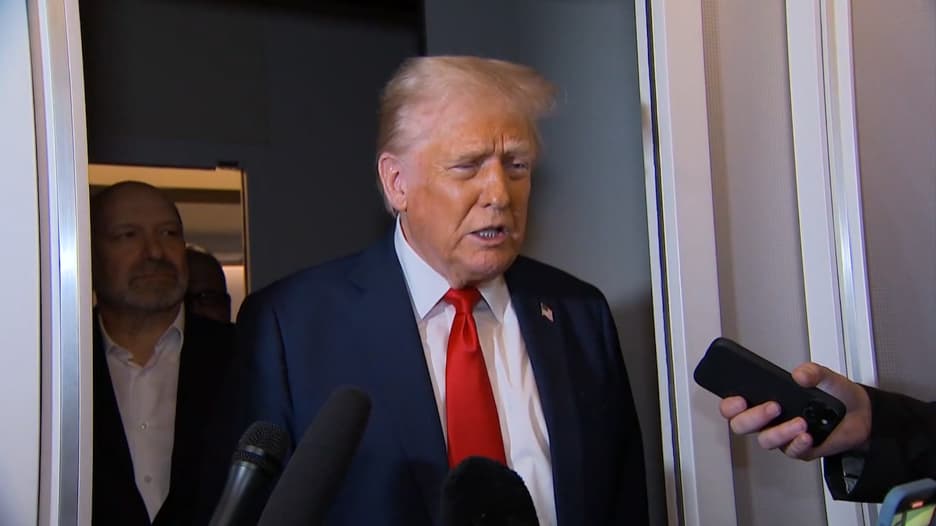
The conflicting U.S. appeals regarding Iran have left European nations perplexed, as they confirmed they have not received requests to protect the Strait of Hormuz. While U.S. President Donald Trump faces criticism for his ambiguous and incoherent messages, it seems that European allies are struggling to determine how to address the tense situation in the region.
According to a report published by Politico, prepared by Victor Jack, Chris Lundy, and Ester Weber, the U.S. appeals are raising concerns among allies, as European countries have not received any official requests to participate in the protection of the strategic strait, which is a vital transit point for oil and gas.
Details of the Situation
Reports indicate that European countries, including the United Kingdom, France, and Germany, are refusing to engage in any military operations to protect the Strait of Hormuz. This refusal comes at a time when the region is witnessing escalating tensions between the United States and Iran, as both countries exchange accusations regarding military activities in the Gulf.
European nations are seeking to maintain their trade relations with Iran, especially after the United States withdrew from the nuclear agreement in 2018. However, the contradictory messages from Washington make it difficult for allies to clearly define their stance.
Context and Background
Historically, the Strait of Hormuz is considered one of the most important maritime passages in the world, through which approximately 20% of the world's oil passes. The strait has witnessed numerous military incidents in recent years, including attacks on oil tankers, which have heightened concerns about navigation security in the region.
The roots of the current tensions can be traced back to the escalation of Iranian military activities in the Gulf, which the United States views as a threat to regional security. In contrast, Iran seeks to enhance its influence in the region, further complicating the situation.
Consequences and Impact
These developments significantly affect the relationships between the United States and its European allies, as there appears to be an increasing gap in perspectives. While Washington seeks to exert pressure on Iran, European nations prefer a more balanced diplomatic approach.
This divergence in policies could exacerbate tensions in the region and increase the likelihood of military confrontations. Additionally, the lack of clarity in the U.S. position may weaken the allies' ability to make effective strategic decisions.
Impact on the Arab Region
The Arab countries neighboring the Strait of Hormuz, such as Saudi Arabia and the United Arab Emirates, are among the most affected by the current tensions. The economies of these nations heavily rely on oil exports, and any escalation in the region could negatively impact their economic stability.
Moreover, the rising tensions could lead to increased divisions among Arab countries, as their positions towards Iran and the United States may vary, complicating the regional landscape further.
In conclusion, the current situation in the Arabian Gulf requires European nations and the United States to reassess their strategies to ensure security and stability in the region. The challenges faced by these countries necessitate greater coordination and effective cooperation to avoid any potential escalation.