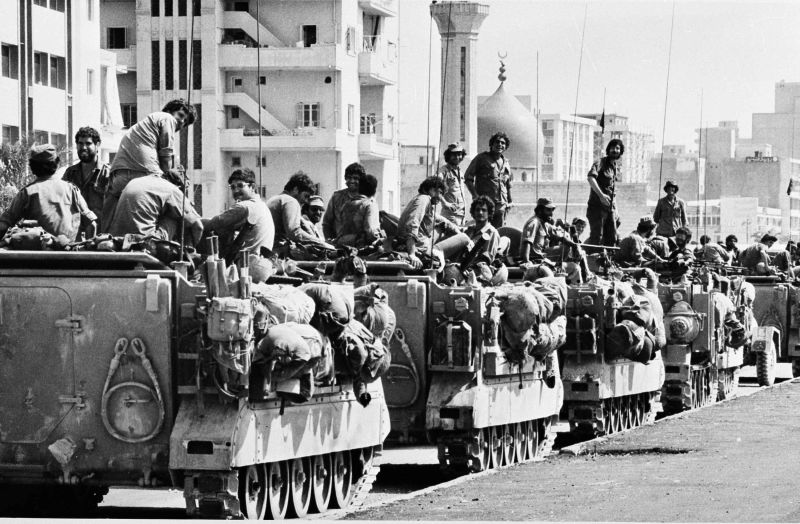
The Israeli Defense Forces (IDF) are facing unprecedented pressure on their northern border with Lebanon amid escalating military tensions that threaten to reignite conflict in the region. These developments come at a sensitive time, as the army shows signs of fatigue, raising fears of a repeat of military deadlocks similar to those experienced in recent years.
Current tensions between Israel and the Lebanese Hezbollah are intensifying, with increased clashes along the border putting the Israeli army in a difficult position. Reports indicate that the army is suffering from a shortage of resources and capabilities, rendering it unable to effectively address the growing threats.
Details of the Current Situation
In recent weeks, military reports have noted a rise in Hezbollah's military activities along the border, demonstrating the group's greater preparedness to confront the Israeli army. This escalation occurs at a time when the IDF is facing both internal and external challenges, including political and economic pressures.
Reports suggest that the Israeli army may be in a state of depletion, showing an inability to achieve clear victories in military confrontations. This situation raises questions about Israeli military strategy, especially in light of the increasing threats posed by Hezbollah.
Background & Context
Historically, the Israeli-Lebanese border has seen ongoing tensions for decades, with several wars and conflicts between the two sides. In 2006, the region experienced a devastating war between Israel and Hezbollah, resulting in significant loss of life and resources. Since then, Israel has attempted to bolster its military presence along the border, but challenges remain.
In recent years, Hezbollah's military activities have increased, contributing to heightened tensions. Additionally, the political situation in Lebanon, including economic and social crises, has bolstered Hezbollah's position as a political and military force in the country.
Impact & Consequences
The implications of the current situation extend beyond the Israeli-Lebanese border, potentially affecting regional stability as a whole. Should tensions escalate into open conflict, it could lead to severe repercussions for regional security, including an influx of refugees and increased tensions among neighboring countries.
Moreover, the current situation may impact international relations, as external powers could intervene in the conflict, complicating matters further. The United States and European nations are closely monitoring the situation and may take steps to intervene if necessary.
Regional Significance
Developments along the Israeli-Lebanese border are of particular importance to neighboring Arab countries, as they could affect their stability and security. Given the political and economic crises many Arab nations are facing, any escalation in Lebanon could exacerbate conditions in the region.
Additionally, the situation in Lebanon may influence relations between Arab countries and Israel, potentially reopening discussions on the Arab-Israeli conflict. Under these circumstances, Arab nations must be prepared to address any repercussions that may arise from military escalation in the region.
In conclusion, the situation along the Israeli-Lebanese border remains complex, with the Israeli army facing significant challenges in confronting Hezbollah. These developments warrant close monitoring by the international community and Arab nations, as they could impact security and stability in the region at large.