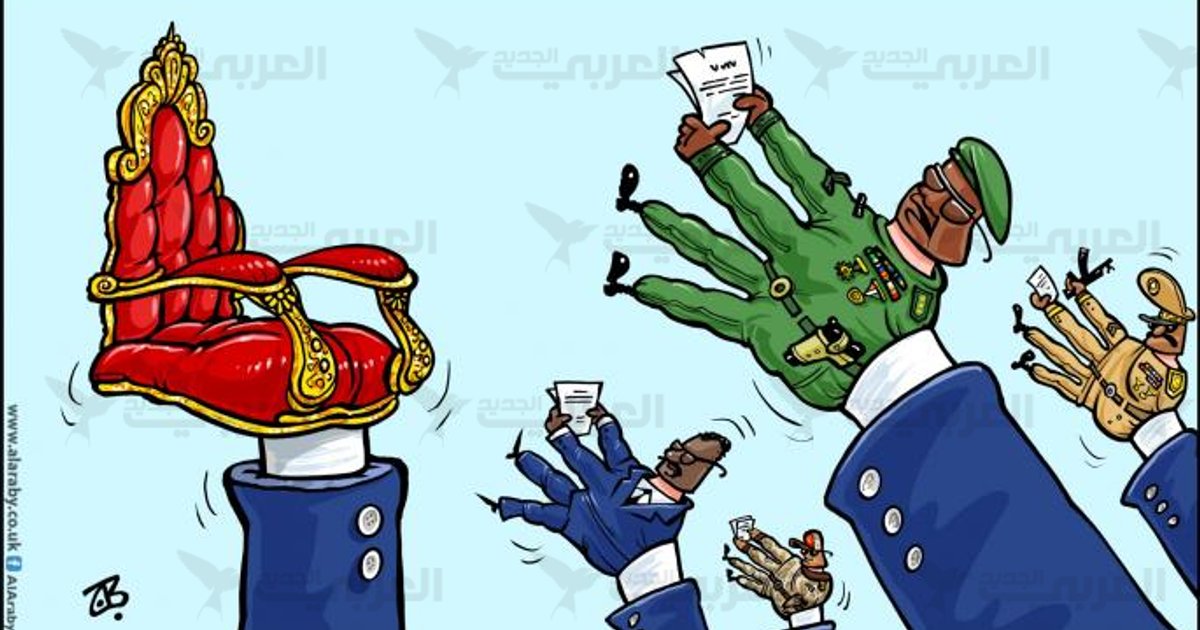
The events unfolding in Africa reveal that many countries continue to suffer from internal conflicts, where military violence is used as a means to stifle the people's desire for democracy. In this context, African leaders can be likened to 'Don Quixote,' riding a tank instead of a horse, battling against the ambitions of their own populations.
The challenges facing democracy on the continent are escalating, with military power being a primary tool in the hands of governments to control situations. This phenomenon is not limited to a single nation; it encompasses numerous countries grappling with political instability.
Details of the Situation
Reports are increasing regarding the use of military force by African governments to suppress popular protests. In some instances, tanks and military vehicles are deployed against peaceful demonstrators, leading to worsening conditions and heightened tensions. These policies reflect the inability of governments to address popular demands through peaceful means.
Furthermore, terrorist groups contribute to complicating the security landscape in many African nations. These groups exploit political chaos to expand their influence, making it even more challenging to achieve stability and democracy.
Background & Context
Historically, Africa has witnessed numerous political transformations, with many attempts made to achieve democracy. However, these efforts are often met with severe violence from ruling regimes that fear losing power. This dynamic has led to the repetition of tragic scenarios in many countries.
Studies indicate that corruption and weak political institutions are among the most significant factors hindering democratic progress in Africa. Additionally, external interventions in the internal affairs of African nations can exacerbate crises rather than resolve them.
Impact & Consequences
These conditions directly affect the lives of citizens, as many are deprived of their fundamental rights to express themselves and protest. The use of military force also contributes to increasing social divisions and leads to the proliferation of violence.
Moreover, the continuation of these policies may worsen humanitarian crises, forcing many individuals to flee their regions in search of safety. These crises pose a significant challenge to the international community, which seeks to support stability in the region.
Regional Significance
The African experiences in the realm of democracy serve as an important lesson for Arab countries facing similar challenges. Lessons can be drawn from these experiences to avoid repeating the same mistakes and to work towards strengthening democracy and human rights.
Ultimately, the situation in Africa requires greater international awareness and effective cooperation among nations to achieve stability and democracy. Supporting local communities and enhancing governance institutions are the key elements for fostering positive change.