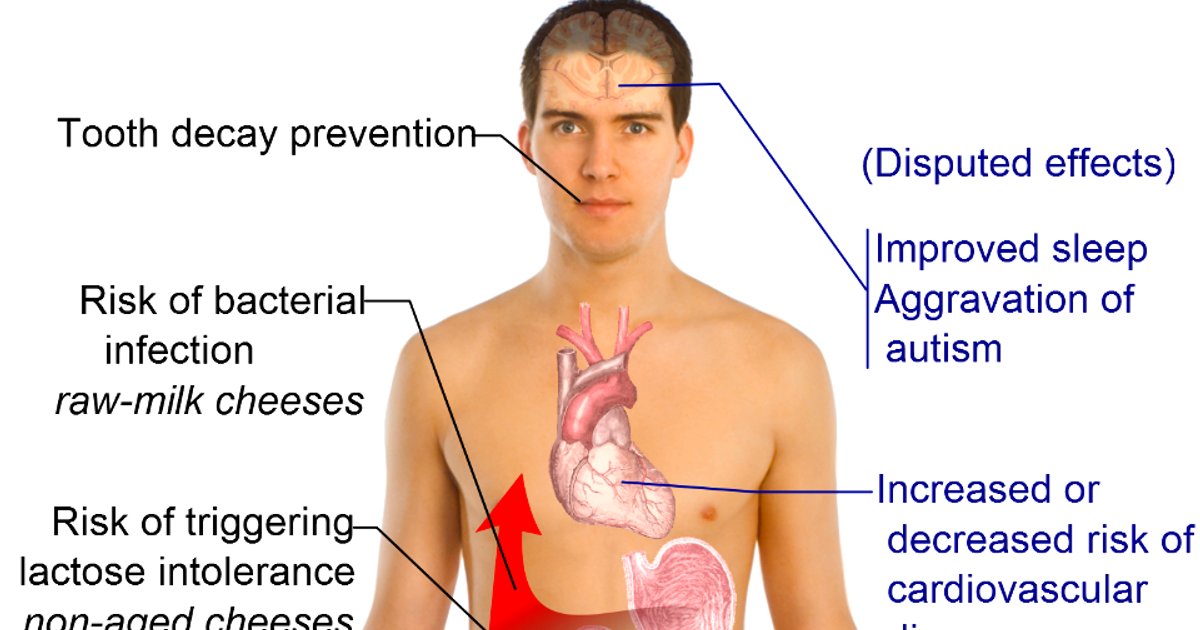
Cheese snacks are favored by many for their delicious taste and crunchy texture. However, this tasty treat may have negative implications for dental health, warranting attention.
Reports indicate that cheese snacks contain high amounts of fat and salt, making them an unhealthy choice if consumed excessively. Studies have shown that eating foods rich in fat and salt can lead to tooth decay and gum disease, threatening overall oral health.
Details of the Issue
Cheese snacks contain ingredients that may adversely affect teeth, such as added sugars and preservatives. These components can contribute to the formation of plaque, a sticky layer of bacteria that develops on teeth and leads to decay. Additionally, frequent consumption of these snacks may increase the risk of gum disease, a condition that requires costly medical treatment.
Consumers should be aware of the potential risks associated with excessive consumption of cheese snacks. Dentists recommend reducing the intake of these snacks and replacing them with healthier options, such as fruits and vegetables, which provide essential nutrients for oral health.
Background & Context
Cheese snacks are part of the snacking culture in many countries, often enjoyed during social gatherings and celebrations. However, health awareness regarding the impact of these snacks on dental health remains low. In recent years, many awareness campaigns have begun to focus on the importance of healthy nutrition and its effects on oral health.
Concerns about dental health are rising globally, with statistics indicating that a significant portion of the population suffers from dental issues. This is partly attributed to poor dietary habits, including the consumption of snacks high in fat and sugar.
Impact & Consequences
Dental problems can lead to serious health consequences, including chronic pain and tooth loss. Furthermore, the costs associated with dental treatment can be high, placing a financial burden on individuals and families. Therefore, it is crucial to raise awareness about the impact of nutrition on oral health.
Studies suggest that improving dietary habits can help reduce dental problems. By choosing healthier food options, individuals can enhance their oral health and decrease the need for costly medical treatments.
Regional Significance
In the Arab region, the rates of fast food and snack consumption are rising, raising concerns about dental health. This phenomenon is attributed to changes in lifestyle and nutrition, as many tend to opt for fast food due to the pressures of daily life.
These challenges require joint efforts from governments and communities to promote health awareness and encourage healthy eating habits. Through education and outreach, the impact of these snacks on dental health can be mitigated, improving quality of life.
In conclusion, while cheese snacks may be delicious, they should be consumed with caution. Individuals need to be aware of the potential risks and strive for a healthy balance in their diet to maintain their oral health.