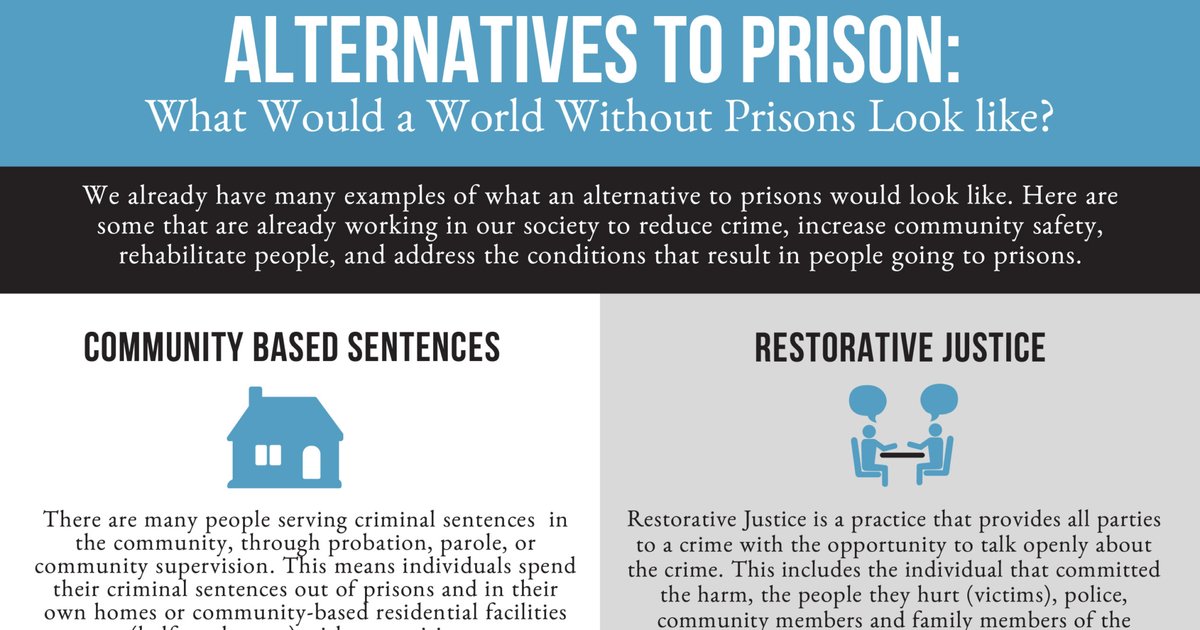
Recent reports indicate that purchasing conditional release instead of serving time in prison is seen as the optimal solution for many offenders. This approach allows defendants to avoid incarceration and provides new opportunities for rehabilitation.
Many countries are striving to improve their judicial systems by offering alternative options to imprisonment, with conditional release being one of these options. This system allows convicted individuals to serve their sentences under supervision rather than in prison, which helps them reintegrate into society more effectively.
Details of the Conditional Release System
There is a growing call in many countries to adopt the conditional release system as an effective alternative to prisons, as this system is considered more humane and enhances the chances of rehabilitating offenders. According to reports, purchasing conditional release is an available option for many convicted individuals, granting them a new chance at life.
This process involves paying a certain amount of money as part of the release conditions, raising questions about fairness and equality in the application of the law. While some see this method as enhancing opportunities for offenders, others believe it may open the door to corruption and exploitation of the system.
Background & Context
Historically, prisons were seen as the only option for punishing offenders, but with the increasing awareness of the importance of rehabilitation, many countries have begun to seek alternatives. Conditional release is one of these alternatives and has been implemented in various legal systems around the world.
In recent years, some countries have seen an increase in the use of conditional release as a means to alleviate pressure on overcrowded prisons. This situation has prompted governments to reconsider their criminal policies and adopt more flexible options.
Impact & Consequences
This initiative is viewed as a positive step towards improving the judicial system, as it could lead to a reduction in the number of prisoners and improve their conditions. Additionally, conditional release may help reduce the costs associated with managing prisons.
However, there are concerns that this method could be used unfairly, leading to rampant corruption and exploitation of the system by the wealthy. Therefore, it is essential to establish strict controls to ensure that this system is applied fairly and transparently.
Regional Significance
In the Arab region, many judicial systems still heavily rely on prisons as a means of punishment. However, calls for adopting the conditional release system have begun to increase, especially in light of social and economic pressures.
The success of conditional release experiments in some Arab countries could significantly impact other judicial systems, potentially leading to improved justice and a reduction in the number of prisoners in the future.
In conclusion, adopting the conditional release system as an alternative to imprisonment is considered a step towards improving judicial systems, but it requires strong guarantees to prevent corruption and ensure justice for all.