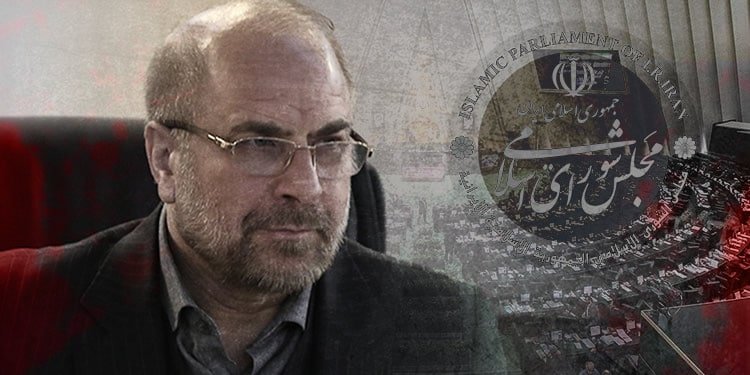
The spotlight is on Iranian Parliament Speaker Mohammad Baqer Qalibaf as reports indicate that the Biden administration is considering him a reliable party in negotiations aimed at ending the war. These statements are not new, as Qalibaf, along with former National Security Council head Ali Larijani, has been among the names envisioned by White House officials as potential negotiating parties since the conflict began.
These developments come at a sensitive time, as the international community seeks diplomatic solutions to the ongoing conflict. Recent statements from Washington have shown a willingness to explore new options for communication with Tehran, which could pave the way for new negotiations.
Details of the Event
In recent days, American officials have indicated that Qalibaf could be an acceptable figure within the framework of negotiations, reflecting a shift in the U.S. strategy towards Iran. These remarks come amid rising tensions in the region, as the United States aims to reduce the intensity of the conflict and achieve greater stability.
Qalibaf is considered a prominent figure in Iranian politics, having held several government positions, making him a key player in any future negotiations. However, his position in parliament may affect his ability to make independent decisions during negotiations.
Background & Context
Since the beginning of the conflict, Iran and the United States have been in a state of escalating tension, with Washington imposing stringent sanctions on Tehran. This has exacerbated the economic and social conditions in Iran, prompting the Iranian government to seek diplomatic solutions.
Historically, there have been previous attempts at negotiations between the two sides, but most have ended in failure. However, the current situation may provide a new opportunity for communication, especially with the political changes in the region.
Impact & Consequences
If an agreement is reached with Qalibaf, it could lead to a radical change in relations between Iran and the United States. This could contribute to easing tensions in the region and positively impact the Iranian economy.
However, it is essential to consider that any agreement may face resistance from some factions within Iran, who may view any rapprochement with Washington as a betrayal of revolutionary principles. Therefore, the success of the negotiations depends on Qalibaf's ability to convince these factions of the viability of dialogue.
Regional Significance
The Iranian-American relations are a key pivot in regional politics, and any progress in negotiations could directly affect Arab countries. Stability in Iran could contribute to regional stability, which may positively reflect on neighboring countries.
Moreover, any agreement could open the door for greater cooperation between Iran and Arab states, potentially contributing to peace and security in the region.
In conclusion, negotiations with Qalibaf remain a potential opportunity to end the conflict, but their success depends on several factors, including internal balances in Iran and the reactions of the international community.