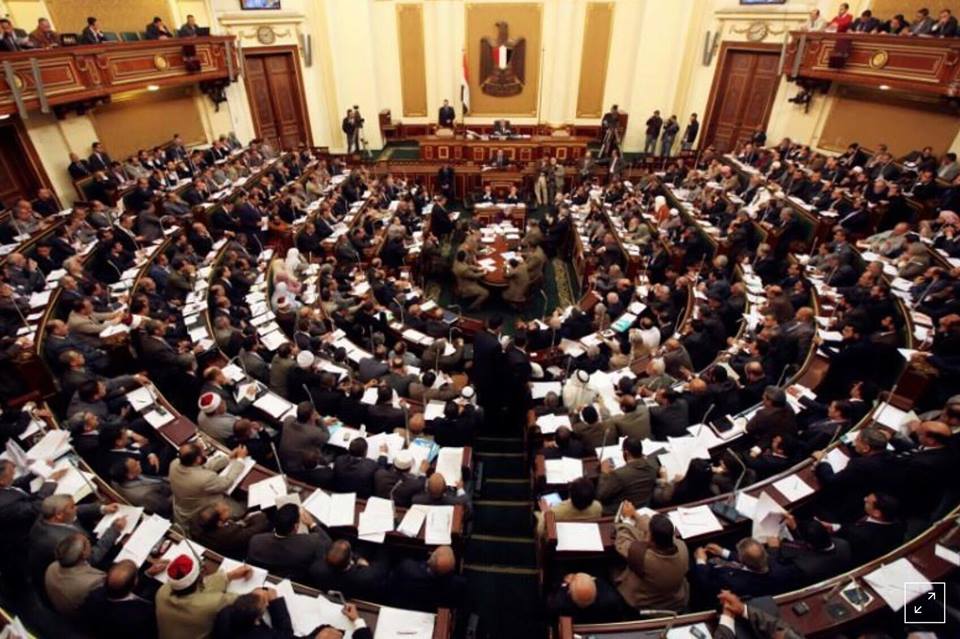
African nations have recently experienced a recurring wave of constitutional amendments that enable presidents to extend their time in office, either by reinterpreting legal texts or by drafting new constitutions that reset term limits.
A study published by the African Law Journal from the University of Cambridge describes these practices as "undemocratic constitutional changes," urging the African Union to take a more active role in monitoring and regulating these transformations.
Details of the Developments
According to the Africa Center for Strategic Studies, nearly a quarter of presidents nearing the end of their terms are seeking to extend their rule, a phenomenon fueled by the fragility of political and security conditions, making the outcomes more turbulent than proponents suggest.
In recent years, there has been a rapid acceleration of these practices, with Zimbabwe recently passing extensive constitutional amendments that allowed President Emmerson Mnangagwa's term to be extended until 2030, shifting the mechanism for selecting the president from voters to parliament.
In the Central African Republic, a new constitution has enabled President Faustin Archange Touadéra to run for a third term in the 2025 elections. In the Democratic Republic of the Congo, President Félix Tshisekedi announced his intention to amend the constitution to allow for a third term, amidst criticism from opposition parties and human rights organizations.
Rwanda has presented a different model through a popular referendum in 2015, which reduced the term length to five years but allowed President Paul Kagame to remain in power until 2034, enabling him to run for a fourth term in 2024.
Context and Background
Ruling regimes often resort to various justifications to promote these amendments, claiming they are necessary for stability and development. However, opposition parties in African nations are not standing idly by; they are employing multiple tools to counter these amendments.
The African experience reveals that constitutional extensions do not prevent coups or uprisings; rather, they merely postpone them. Gabon, long marketed as a stable regime, experienced a military coup immediately after elections deemed fraudulent.
Implications and Consequences
A study published by The Conversation indicates that during the wave of African coups between 2021 and 2023, none of the successful coups saw the military relinquishing power after the coup, breaking the previous tradition where the military would hand over power to civilians within weeks.
The Africa Center (updated study in 2024) notes that leaders in countries respecting term limits spend an average of only five years in power, compared to an average of sixteen years in countries that have abolished or circumvented these limits, making constitutional extensions not just a legal issue but a structural equation that produces the instability they claim to address.
Impact on the Arab Region
This phenomenon in Africa serves as a model for some Arab countries seeking to bolster their powers through similar constitutional changes. These amendments may also affect regional stability, prompting Arab nations to closely monitor developments on the African continent.
In conclusion, constitutional amendments in Africa remain a contentious topic, with opinions varying on their impact on democracy and stability in the region.