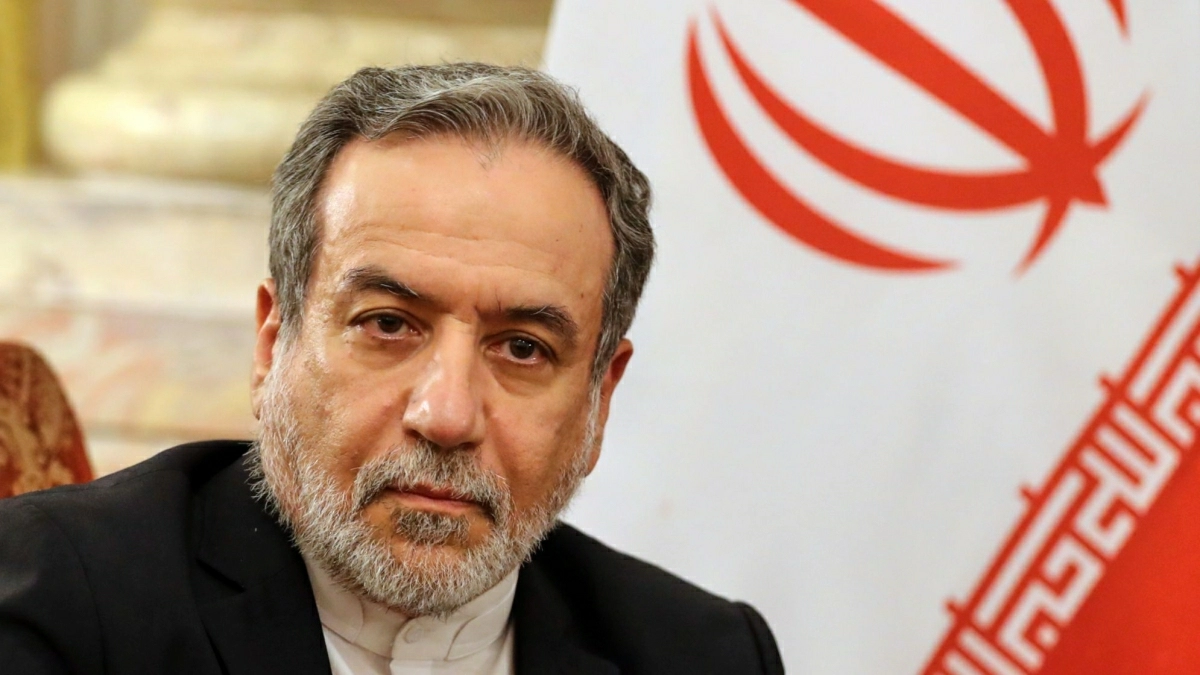
In the context of accelerated diplomatic efforts, Iranian Foreign Minister Abbas Araghchi visited Oman before heading to Pakistan and then Moscow, where mediators hope to maintain peace talks between Tehran and the United States. However, President Donald Trump insisted on canceling a visit that was scheduled for his envoys Steve Witkoff and Jared Kushner to Pakistan, indicating that Iran can reach out if it wants to negotiate to end the two-month war.
While Iran emphasized the need to remove obstacles hindering an agreement, including the blockade imposed on its ports, Fars News Agency reported that Tehran sent "written messages" to the Americans through the Pakistani mediator regarding some of the red lines of the Islamic Republic, including nuclear issues and the Strait of Hormuz. However, these messages were not part of any negotiations.
Details of the Event
Reports indicated that Iran proposed a new initiative to the United States through Pakistani intermediaries concerning the reopening of the Strait of Hormuz and ending the war, while postponing nuclear negotiations to a later stage. Although the ceasefire in the US-Israeli war with Iran, which began on April 8, has held so far, the repercussions of the economic war continue to affect global markets.
Tensions persist in the Strait of Hormuz, a vital waterway, as Iran imposes restrictions on movement while the United States enforces a blockade on Iranian ports. Hopes were high for a new round of talks on Saturday, when Witkoff and Kushner were scheduled to visit Islamabad, but Trump later canceled the visit, citing the futility of "sitting down to talk about nothing."
Background & Context
Historically, relations between Iran and the United States have been tense, especially after Trump withdrew from the Iranian nuclear agreement in 2018. Iran has long demanded that Washington recognize its right to enrich uranium, which Tehran claims is for peaceful purposes, while Western powers view it as an attempt to build nuclear weapons. Amid declining popularity, Trump faces domestic pressure to end the unpopular war.
Despite the Iranian leadership's military weaknesses, it has found leverage in negotiations through its ability to halt shipping in the Strait of Hormuz, which typically carries one-fifth of global oil shipments. Before heading to Russia, Araghchi returned to Islamabad after talks with Omani leaders, where he discussed security in the strait with Sultan Haitham bin Tariq Al Said.
Impact & Consequences
The disagreements between the United States and Iran extend beyond the Iranian nuclear program and control of the Strait of Hormuz. Trump seeks to limit Iran's support for its regional proxies, including Hezbollah in Lebanon and Hamas in Gaza, while Iran demands the lifting of sanctions and an end to Israeli attacks on Hezbollah. Following the cancellation of the recent diplomatic trip, two C-17 aircraft from the US Air Force departed carrying security personnel and equipment from Pakistan.
These developments indicate that negotiations remain chaotic, with pressures continuing on both sides. At the same time, concerns are rising about the impact of these tensions on regional stability, especially amid global economic crises.
Regional Significance
These events directly affect Arab countries, as any escalation in the conflict could lead to increased tensions in the region. The Strait of Hormuz is a crucial point for oil transport, and any restrictions on shipping movement there could impact global oil prices, negatively affecting the economies of Arab nations.
In conclusion, the situation in the region remains complex, heavily reliant on the outcomes of ongoing negotiations. Stability in the region requires constructive dialogue and the removal of obstacles hindering peaceful solutions.