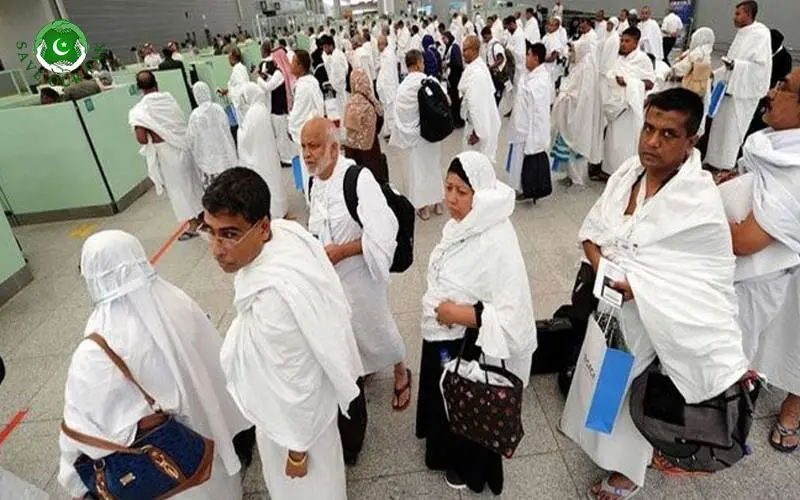
The Indonesian Ministry of Hajj and Umrah confirmed that preparations for the 2026 Hajj season are progressing well, despite rising tensions in the Middle East. The first flights for Indonesian pilgrims are scheduled to begin on April 22, 2026. This statement was made by the Deputy Minister of Hajj and Umrah, Dahniiel Anzar Simaniuntak, during a press conference in Jakarta.
Dahniiel explained that the ministry has conducted several inspection tours in Saudi Arabia to ensure the readiness of facilities and services provided to pilgrims, noting that coordination with Saudi authorities is proceeding well. He expressed optimism that everything will go smoothly as planned.
Event Details
In a related context, the Minister of Hajj and Umrah Mushamad Irfan Yusuf confirmed that the departure schedules for pilgrims will remain as planned, with pilgrims entering accommodation centers on April 21, 2026, and the first flight the following day. He pointed out that the ministry has completed all necessary preparations, including coordination with companies responsible for providing logistical services.
Yusuf also mentioned that the preparations resemble wedding planning, requiring extensive organization and planning to ensure the event's success. He affirmed that the ministry is working to provide all necessary needs to ensure the comfort of the pilgrims.
Background & Context
The rituals of Hajj are among the most important religious practices in Islam, with millions of Muslims from around the world heading to Mecca to perform this duty. As tensions in the Middle East escalate, including armed conflicts and political crises, pilgrims face new challenges related to security and safety.
Despite these challenges, the Indonesian government is striving to ensure that its citizens can perform Hajj safely. In recent years, there has been an increase in the number of Indonesian pilgrims, reflecting the government's commitment to providing the best services for them.
Impact & Consequences
The impacts of Hajj extend beyond the religious aspect, as the rituals play a significant role in strengthening relations among Islamic countries. Indonesia, the largest Muslim-majority country by population, is a leading nation in organizing Hajj trips, reflecting its commitment to enhancing Islamic ties.
However, the rising tensions in the Middle East may affect Hajj plans, necessitating further coordination among countries to ensure the safety of pilgrims. Any escalation in security situations could lead to changes in flight schedules or even the cancellation of some flights, causing concern among pilgrims.
Regional Significance
Arab countries are significantly affected by tensions in the Middle East, as Hajj plays a pivotal role in enhancing Islamic identity and unity among Muslims. As Indonesia prepares for the Hajj season, Arab nations hope that everything will proceed smoothly and that pilgrims can perform their rituals without any obstacles.
The success of the Hajj season under these circumstances could enhance the image of Arab countries as safe destinations for pilgrims, potentially contributing to the growth of religious tourism in the region.
In conclusion, there remains hope that preparations for the 2026 Hajj season will proceed as planned, allowing pilgrims to perform their rituals in safety and peace.