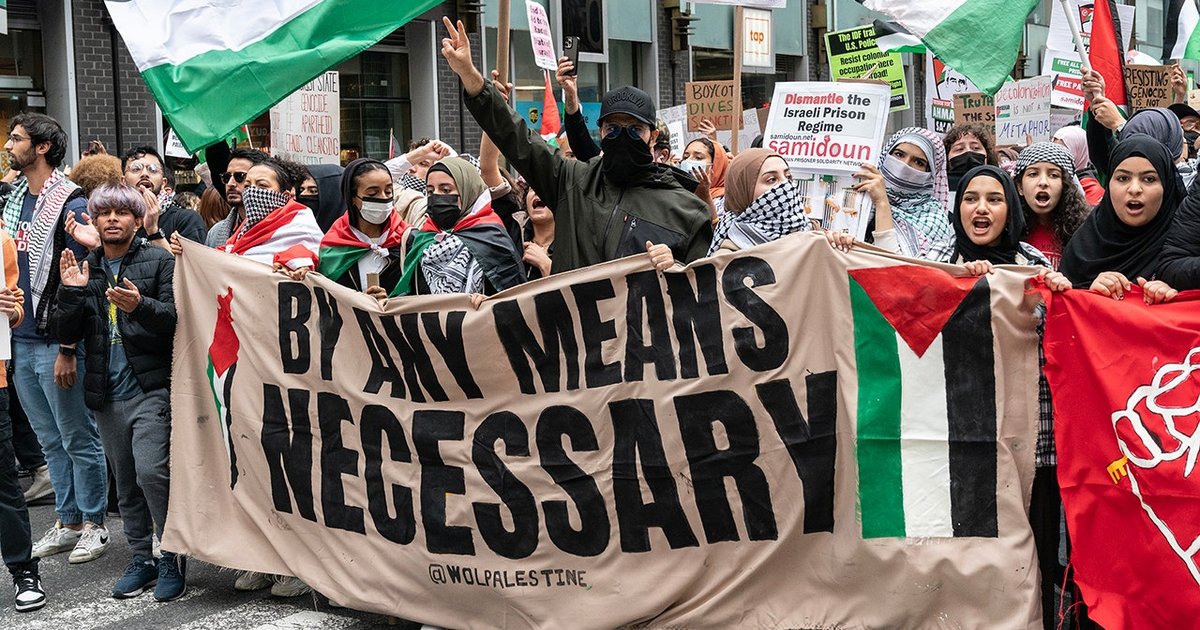
Recent statements by certain figures have sparked widespread debate regarding the representation of Arab states in international forums. Observers argue that these individuals do not reflect the true opinions of the Arab peoples.
This controversy arises at a sensitive time for the Arab region, where political and social challenges are on the rise. Many believe that these figures represent private interests rather than the aspirations of the Arab masses.
Details of the Controversy
Recently, statements from some individuals representing Arab countries have circulated, causing significant discontent among the public. Many view these remarks as disconnected from the lived realities and opinions of citizens.
These statements pertain to several sensitive issues, such as human rights, public freedoms, and economic policies. Activists have criticized these figures, asserting that they only represent themselves or their private interests.
Background & Context
Historically, Arab countries have experienced numerous political and social crises that have affected their representation in international forums. Many nations have suffered from internal and external conflicts, leading to varying opinions on how these countries should be represented.
There is also a growing sentiment among Arab peoples that there is a gap between governments and citizens. This feeling reflects a lack of trust in certain figures representing Arab nations, who are perceived as distant from the concerns of the people.
Impact & Consequences
These statements may affect the image of Arab countries in the international community, potentially leading to increased political isolation. Furthermore, the failure to represent the opinions of the people could contribute to exacerbating internal crises.
Moreover, these statements might lead to an increase in public protests, as citizens seek to express their opinions and demands more vigorously. This could place additional pressure on governments to respond to these demands.
Regional Significance
This issue is particularly significant given the political tensions in the region. The lack of representation for the people could exacerbate crises and increase internal divisions.
This situation may also contribute to strengthening protest movements, as citizens strive to change the political and social landscape. This could lead to radical changes in the political scene of Arab countries.
In conclusion, these statements highlight the urgent need for genuine representation of Arab peoples in international forums. Change requires a voice that reflects the aspirations and hopes of citizens, not just the interests of certain individuals.