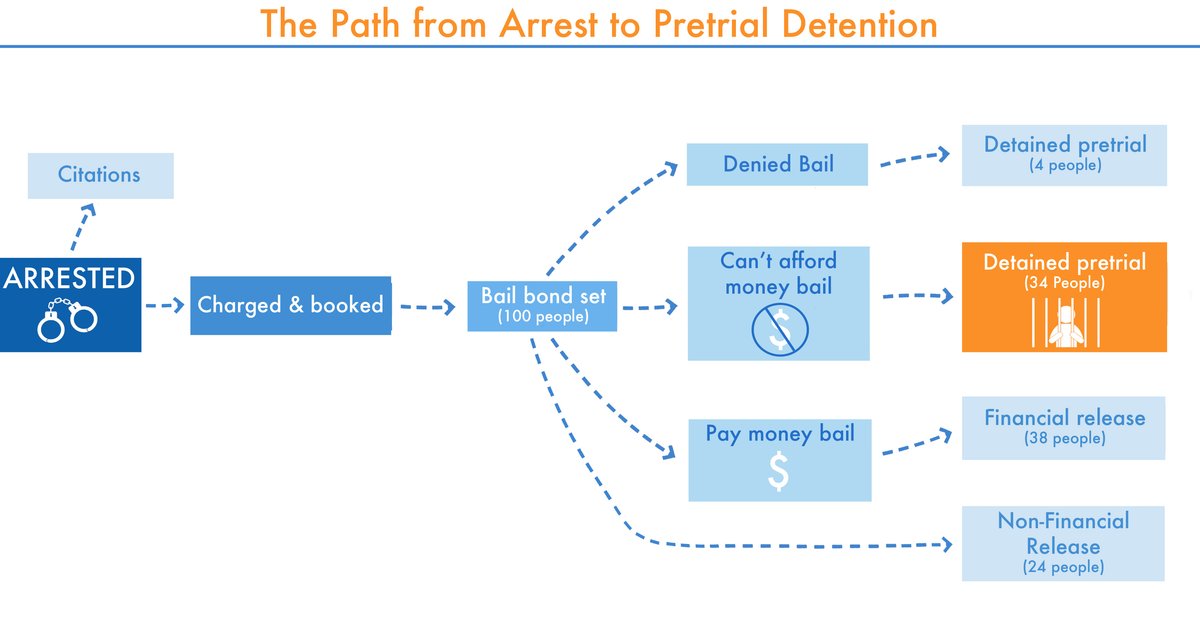
Reports have emerged that a new system has been implemented in certain prisons, permitting early release for inmates who exhibit good behavior, but only if they pay a sum of money to prison officials. This procedure has sparked widespread debate about the fairness of such a practice and its impact on the judicial system.
According to sources, this system does not require any interrogation or comprehensive assessment of the inmates, raising concerns about its potential for exploitation. This type of early release is seen as discriminatory between inmates who can afford to pay and those who cannot, opening the door to criticisms regarding corruption and abuse of power.
Details of the Practice
This practice was revealed through media reports, where some former inmates indicated that they were pressured to pay money in exchange for their release. There are also fears that this system could lead to rampant corruption within correctional institutions, where certain officials might benefit from this practice for personal gain.
At the same time, human rights advocates point out that this procedure contradicts the principles of justice and equality, as inmates should be evaluated based on their behavior and performance inside prison, not their financial capability.
Background & Context
Historically, there have been numerous attempts to improve prison conditions and provide rehabilitation programs for inmates. However, these new measures may revert us to outdated practices related to class discrimination within the judicial system. In many countries, early release for inmates is considered part of strategies to reduce overcrowding in prisons, but it must be conducted in a fair and transparent manner.
These developments come at a time when many countries are engaged in discussions about criminal justice reforms, viewing the prison system as a crucial component of these reforms. However, the introduction of a payment-based system could hinder these efforts and widen the gap between different social groups.
Impact & Consequences
If this system continues, it could lead to widespread corruption in prisons, undermining trust in the judicial system. Furthermore, such practices may contribute to an increase in crime, as inmates who cannot pay might feel deprived of rehabilitation opportunities.
Moreover, this system could increase resentment among citizens, particularly those facing difficult economic conditions. Instead of promoting justice, this system may exacerbate social divisions and heighten tensions among different groups.
Regional Significance
In the Arab region, where many countries struggle with issues of social justice and human rights, this system could have negative effects on trust in government institutions. The implementation of such policies may lead to increased corruption and widen the gap between the rich and the poor, thereby enhancing social instability.
In conclusion, governments must consider the potential impacts of such policies on society as a whole. It is crucial to develop criminal justice systems in a way that guarantees the rights of all individuals, regardless of their financial status.