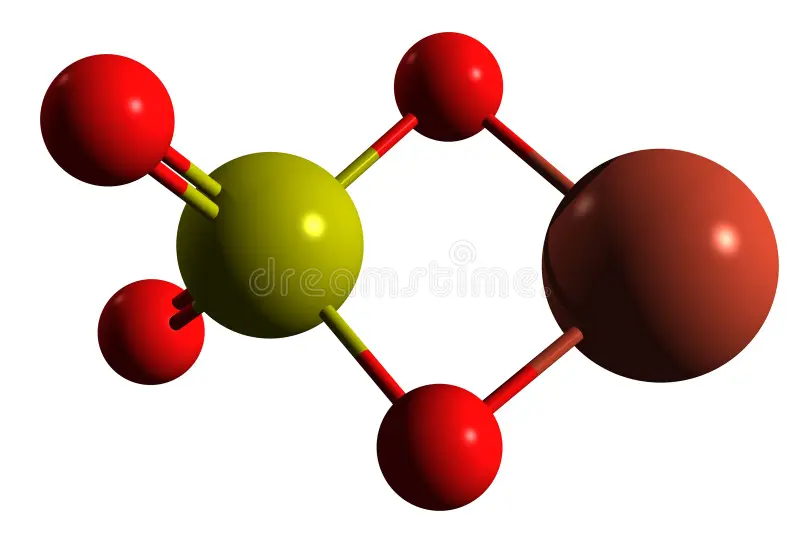
In an unprecedented scientific achievement, a team of researchers from the Department of Chemistry at the University of California, Irvine, has successfully integrated copper into the molecular sandwich structure, creating the first stable version of copper metallocene, which they have named Cuprocene. This discovery represents an important step in the field of chemistry and was announced in the journal Journal of the American Chemical Society.
Metallocenes are a unique type of chemical compound that can be envisioned as a molecular sandwich consisting of two layers of flat carbon rings, with a metal atom at the center. Among the most famous of these compounds is ferrocene, which consists of an iron atom and won the Nobel Prize in Chemistry in 1973 due to its discovery by British scientist Geoffrey Wilkinson and German scientist Ernst Otto Fischer.
Details of the Discovery
For seven decades, scientists have attempted to incorporate copper into the metallocene structure, but all attempts failed due to copper's reactive nature, which causes it to prefer binding with carbon rings rather than stabilizing between them. However, the researchers managed to break this rule by designing complex rings that surround the copper atoms, creating a crowded environment around the metal atom and forcing it to stabilize in the sandwich position.
The result was the compound Cuprocene, which is characterized by its stability at room temperature and appears as blue-green crystals. The team also succeeded in producing other versions of the compound, one being a colorless negative version and another a purple positive version, reflecting control over the electronic properties of the material.
Background & Context
Metallocenes are considered essential elements in modern chemistry, as they are involved in the manufacturing of advanced polymers, smart materials, and pharmaceuticals. The discovery of Cuprocene closes a gap that has persisted for nearly 70 years in fundamental chemistry and completes the series of metallocenes for all transition elements, marking a pivotal step in understanding the behavior of metals.
Transition elements, located in the fourth row of the periodic table, exhibit unique chemical properties due to the presence of electrons in the sublevel, making them a significant focus of interest for scientists.
Impact & Consequences
This discovery may open new horizons in the field of chemistry, potentially leading to the development of new materials, stronger chemical catalysts, and unexpected industrial and medical applications. Furthermore, understanding copper's behavior in this structure may help improve the chemical processes used in industry.
Moreover, this achievement reflects the importance of scientific research in pushing the boundaries of knowledge and enhances scientists' ability to overcome challenges they have faced for decades.
Regional Significance
In light of the global trend towards innovation in the fields of science and technology, this discovery could have a positive impact on Arab countries, which are striving to enhance their capabilities in scientific research and development. These achievements could attract investments in the field of science and technology, opening up new opportunities for scientific collaboration between Arab countries and developed nations.
In conclusion, the discovery of Cuprocene represents a milestone in the history of chemistry, reflecting scientists' ability to overcome obstacles and achieve unprecedented accomplishments.