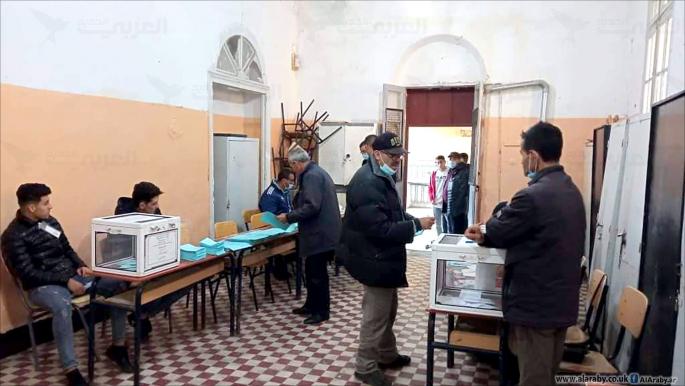
The disqualification of candidates in Algeria's upcoming parliamentary elections raises serious concerns about corruption, negatively affecting their political and social standing. These actions have not only left moral wounds but have also impacted the social relationships of the candidates, complicating the political landscape in the country.
Reports indicate that many disqualified candidates suffer from social stigma, as they are viewed as incapable of competing in an electoral environment tainted by doubts. This situation raises alarms about the integrity of the electoral process and reflects a state of distrust in political institutions.
Details of the Event
Attention is focused on the upcoming parliamentary elections in Algeria, where several candidates have been sidelined due to corruption allegations. This move has sparked widespread controversy in political and social circles, with some viewing it as an attempt to reduce competition and tighten control over the electoral process. At the same time, the excluded candidates face significant challenges in rebuilding their political and social reputations.
The current situation suggests that the upcoming elections may be surrounded by even more doubts, as many question the integrity of the electoral process. There are also concerns that these allegations could lead to voter apathy, potentially affecting voter turnout in the elections.
Background & Context
Historically, Algeria has experienced numerous political and social crises, with elections always being a point of contention. Since independence, the country has faced issues related to corruption and mismanagement, which have undermined trust in the political system. In recent years, calls for political reforms have increased, but these demands often meet resistance from traditional powers.
The upcoming parliamentary elections are seen as a real test for the current authority, as many citizens seek to witness genuine changes in the system. However, the disqualification of candidates may reflect the continuation of the same old policies that have led to instability.
Impact & Consequences
Recent events confirm that the political situation in Algeria may be in a state of increasing tension. With ongoing corruption allegations, pressure may mount on the government to implement real changes. Additionally, these circumstances could exacerbate social crises, as citizens feel frustrated by their inability to influence the political process.
Moreover, these events may affect Algeria's relations with other countries, as the upcoming elections could be seen as a test of Algeria's commitment to democracy and human rights. Under these circumstances, international pressure on the Algerian government to ensure electoral integrity may increase.
Regional Significance
Algeria is one of the Arab countries facing significant political challenges, and its experience in the upcoming elections could serve as a model or a warning for other nations. Amid the political and economic crises affecting many Arab countries, the results of the Algerian elections may influence political movements in the region.
Furthermore, the situation in Algeria may highlight the importance of political reforms in the Arab world, as citizens strive for change. The success or failure of the elections could have far-reaching implications for stability in the region.
In conclusion, the parliamentary elections in Algeria remain a significant event that requires close monitoring, as the current challenges reflect a complex reality that demands radical solutions. Addressing corruption issues and enhancing trust in political institutions will be essential steps toward achieving stability and development in the country.