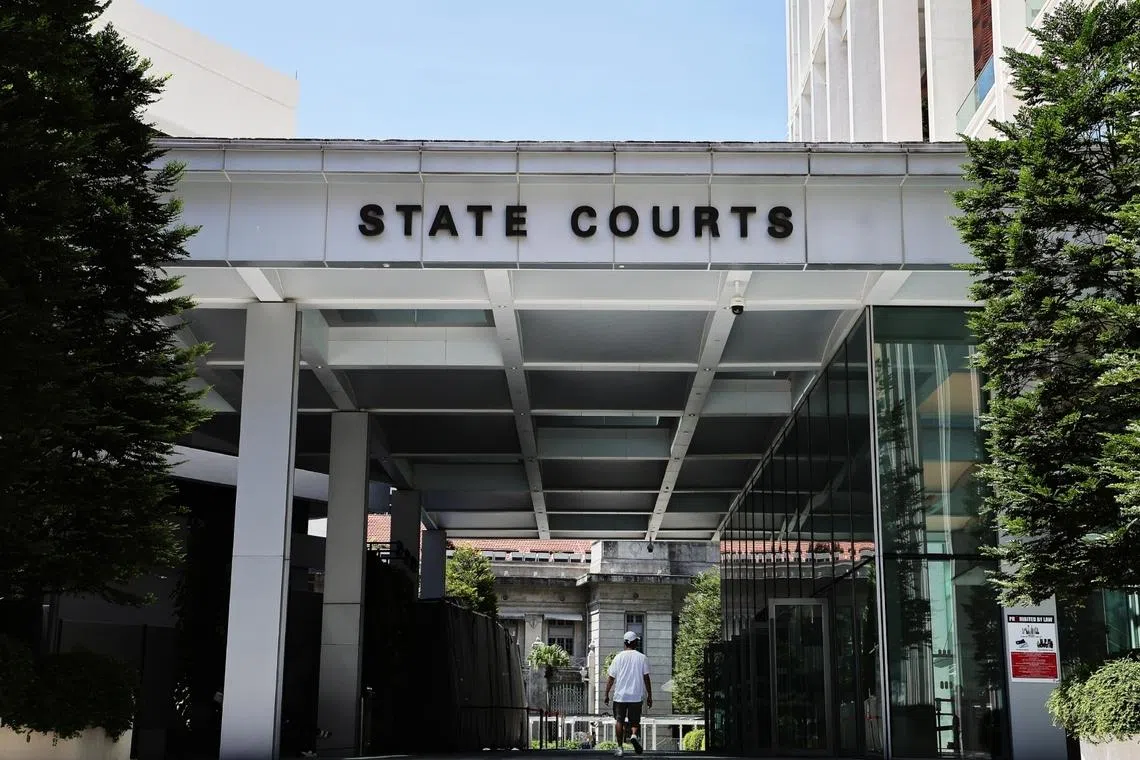
U.S. judicial authorities have charged a property owner after allowing his property to be used as an unlicensed massage center. This case raises questions about the legal responsibility of property owners when their properties are used for illegal purposes. If convicted, the owner could face a fine of up to $10,000 or two years in prison, or both.
This case comes as part of efforts by authorities to strengthen laws related to unlicensed business activities, which can lead to legal and security issues. Allowing unlicensed massage centers to operate on properties is considered a violation of local laws, necessitating legal action against property owners.
Details of the Incident
The case involves a massage center that was operated in a property owned by the defendant, where it was discovered that the center was operating without the necessary licenses. This case has garnered significant attention in the local community, as many believe that such activities can lead to larger issues, such as exploitation of individuals or other illegal activities.
Investigations are ongoing, and evidence has been gathered indicating that the owner was aware that the center was operating illegally. If the charges are proven, the penalties could be severe, highlighting the importance of compliance with local laws.
Background & Context
Historically, many American cities have witnessed similar cases involving unlicensed massage centers. Often, these centers are used as fronts for illegal practices, prompting authorities to take strict action against them. Similar charges have been brought against other property owners in the past, reflecting the challenges communities face in combating illegal activities.
This case is part of broader efforts to combat crime and improve safety in communities. Authorities are striving to enhance laws related to business activities and ensure that all businesses operate within a clear legal framework.
Impact & Consequences
This case exemplifies how illegal activities can impact the community as a whole. In addition to the potential penalties for the owner, such activities can lead to a deterioration of public safety and an increase in crime. Therefore, addressing such activities is vital for maintaining community safety.
This case may also spark discussions about how to regulate business activities in communities and the effectiveness of current laws in addressing unlicensed activities. It could lead to changes in local policies, reflecting the need for improved regulations concerning massage centers and other business activities.
Regional Significance
While this case may seem distant from the Arab region, there are lessons to be learned. Many Arab countries face similar challenges related to unlicensed business activities, which can affect local safety and economy. It is crucial for Arab governments to adopt effective strategies to combat these activities and ensure that all businesses operate within a legal framework.
Ultimately, this case reflects the importance of adhering to local laws and regulations, highlighting the need for greater awareness of the risks associated with illegal activities. Communities must remain vigilant and collaborate with authorities to ensure a safe and healthy environment for all.