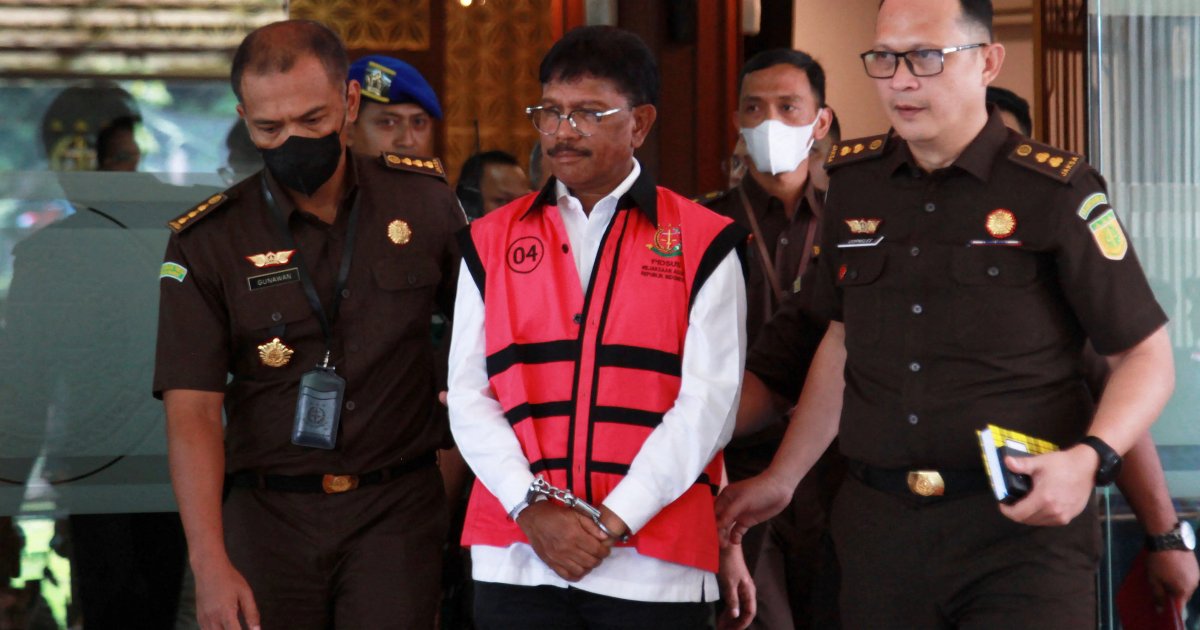
An Indonesian court has sentenced August Hot Mersyion, the former director of the financial services sector at Telecom Indonesia, to 8 years in prison after he was convicted of corruption linked to fictitious financing. The ruling came after it was proven that he exploited his authority to achieve personal gains estimated at 980 million rupiah, causing significant harm to the country's public finances.
During the court session, Judge Suwandi confirmed that the evidence presented conclusively proved Mersyion's involvement in corrupt activities, where he used his powers to gain illicit advantages. In addition to the prison sentence, he was fined 750 million rupiah, and failure to pay this fine will result in an additional 165 days in prison.
Details of the Case
Mersyion was not the only one sentenced, as the ruling included 10 other defendants, including directors from various companies linked to Telecom. Sentences ranged from 5 to 14 years in prison, with financial penalties exceeding 44 billion rupiah imposed on some. This case reflects the widespread corruption in both public and private institutions in Indonesia.
The details of the case date back to the period between 2016 and 2018, during which fictitious financing was provided by Telecom to private companies, leading to substantial financial losses estimated at around 464.93 billion rupiah for the state. This case is considered one of the largest corruption scandals uncovered in Indonesia in recent years.
Background & Context
Historically, Indonesia has struggled with corruption issues over the decades, with the government striving to combat this phenomenon. Many agencies have been established to fight corruption, yet it remains rampant in various sectors. The Telecom case comes at a sensitive time as the government seeks to restore public trust in its institutions.
Indonesia is one of the largest economies in Southeast Asia; however, corruption hinders economic growth and negatively affects foreign investments. This case may contribute to strengthening government efforts to combat corruption and restore confidence in the judicial system.
Impact & Consequences
The repercussions of this case could be far-reaching, as it is expected to lead to further investigations into other corruption cases within government institutions. The ruling may send a strong message to other officials that corruption will not be tolerated and that there are severe consequences for those who violate the law.
Investigations may include more officials from Telecom and other related companies, potentially leading to changes in management and the implementation of stricter anti-corruption policies. This could help improve Indonesia's image on the international stage.
Regional Significance
The corruption case in Indonesia serves as an example of the challenges faced by many countries in the Arab region as well. Corruption is one of the biggest obstacles to economic and social development, directly affecting citizens' lives. Arab nations can learn from Indonesia's experience in enhancing transparency and accountability.
In conclusion, the sentencing of Mersyion and his colleagues represents an important step toward promoting justice and combating corruption in Indonesia, and it may encourage other countries to take similar steps to improve their internal conditions.