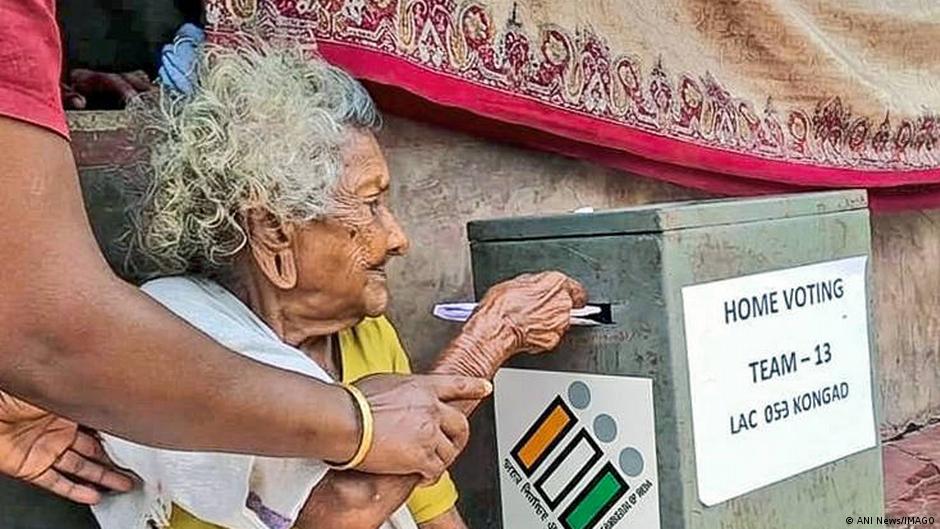
India is preparing for assembly elections in the states of Assam and Kerala, as well as the Union Territory of Puducherry, scheduled for tomorrow. These regions have entered a 48-hour silence period enforced by the Election Commission of India, which prohibits any public gatherings, rallies, or opinion polls, aiming to ensure the integrity of the electoral process.
The Election Commission has begun the necessary preparations for this vote, with election materials, including electronic voting machines, delivered to polling staff in the relevant areas. In Assam, approximately 250 million voters are expected to cast their votes to choose from 722 candidates.
Event Details
The upcoming elections will involve voting in 126 constituencies in Assam, 140 constituencies in Kerala, and 30 constituencies in Puducherry. Anurag Goel, the Chief Electoral Officer in Assam, has warned all candidates, political parties, and media outlets about the necessity to adhere to the Election Commission's guidelines, noting that any violations could lead to legal action.
In Kerala, the election campaign has witnessed unfortunate incidents, with six individuals injured in clashes between supporters of the left and united democratic fronts. The state has 27 million voters and 890 candidates competing for seats.
Background & Context
These elections are part of a broader democratic process in India, where local and regional elections are held periodically. Historically, elections in India have garnered significant attention, reflecting the political and social trends in the country. Recent years have seen substantial changes in the political landscape, with the rise of new parties and the decline of others.
This election coincides with economic and social crises, increasing the significance of its outcomes. Additionally, the elections come at a sensitive time as Prime Minister Narendra Modi faces multiple challenges related to the economy and security.
Impact & Consequences
The results of these elections are expected to significantly influence the political landscape in India. A victory for any of the major parties could strengthen its position in parliament, while success for smaller parties might alter the dynamics of political alliances. Moreover, these elections may also reflect voter sentiments regarding issues such as the economy, security, and social rights.
Elections in India are a model of democracy in the world's largest democratic nation, where citizens enjoy the right to vote and participate in decision-making. The success of these elections relies on their integrity and transparency, which enhances citizens' trust in the political system.
Regional Significance
The Indian elections hold particular importance for the Arab region, as India is a strategic partner for many Arab countries. The commercial and political relations between India and Arab nations are growing, making the election results crucial for the future of these relations. Furthermore, political stability in India can impact regional security, especially amid tensions in the Middle East.
In conclusion, Indian elections remain a pivotal event not only for India but for the entire world, reflecting the aspirations of peoples towards democracy and freedom.