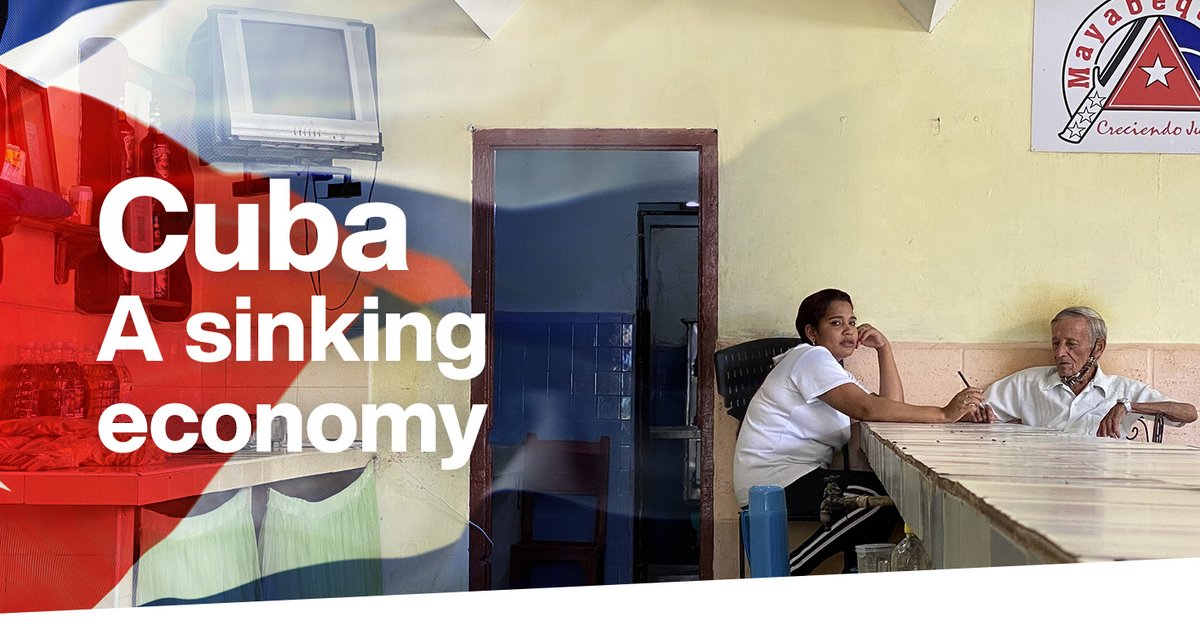
Cuba is currently facing a severe electricity crisis, experiencing frequent and prolonged power outages, despite having production capabilities that exceed its actual needs. This crisis reveals the interplay of technical, economic, and political factors that adversely affect the lives of citizens.
The daily struggles of the population highlight the magnitude of the crisis, as many find themselves in complete darkness for extended hours, leading to increasing health and living challenges. Essential devices, including fans used to combat the spread of insects and related diseases, are rendered inoperative, worsening living conditions.
Details of the Crisis
Specialized data indicates that Cuba's theoretical electricity production capacity is approximately 7700 megawatts, while peak consumption does not exceed 3000 megawatts. However, actual production averages only around 2122 megawatts, and it can drop to about 1224 megawatts during certain periods, creating a significant deficit in the grid.
A large part of the crisis is attributed to the nature of the electricity sector's infrastructure, which relies on old oil-fired thermal power plants established during previous Soviet support. These plants have gradually deteriorated since the collapse of the Soviet Union in the 1990s, negatively impacting their production capacity.
Background & Context
With the loss of cheap oil supplies, Cuba has resorted to using its heavy local oil, which has caused severe technical damage to the plants. This oil contains high levels of sulfur and impurities, leading to the corrosion of plant components and increasing the need for costly maintenance that the country has been unable to afford.
The electricity network has faced repeated collapses, the most notable occurring in 2004, prompting the government to adopt temporary solutions such as deploying thousands of small generators to alleviate pressure on the main plants. Cuba also relied on oil supplies from Venezuela for a time, but these solutions did not last long due to declining oil supplies and increasing import restrictions.
Impact & Consequences
These combined factors have exacerbated the crisis, disrupting vital sectors such as industry and agriculture. Basic services, including hospitals and water networks, have been affected, resulting in estimated economic losses of about $629 million monthly.
As the crisis continues, public discontent has escalated, with sporadic protests emerging in some areas, reflecting the depth of the challenges the country faces in securing its essential energy needs.
Regional Significance
The electricity crisis in Cuba serves as an example of how economic and political crises can impact citizens' lives. This situation reflects the challenges that other countries in the region may face, as crises can exacerbate living conditions and increase public discontent.
In conclusion, the electricity crisis in Cuba stands out as one of the major challenges facing the country, necessitating urgent action to improve the situation and meet the basic needs of citizens.