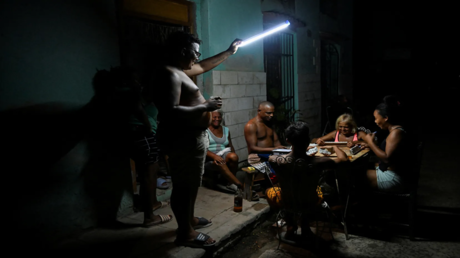
Cuba is enduring one of its worst humanitarian crises in decades, as a severe fuel shortage and the collapse of essential services have frozen daily life for nearly 11 million people. The country is suffering from the repercussions of the U.S. embargo, which has worsened economic and social conditions, forcing residents to face increasing difficulties in securing their basic needs.
Reports indicate that the fuel shortage has significantly impacted transportation and public services, leading to a deterioration in health and living conditions. Under these circumstances, citizens find themselves waiting for long periods to obtain fuel, hindering their ability to move and purchase food supplies.
Details of the Crisis
Complaints from citizens about the fuel shortage are on the rise, as obtaining gasoline and diesel has become nearly impossible. This shortage has not only affected transportation but has also extended to electricity and water services, further increasing the suffering of Cuban families. Health crises are also worsening due to the lack of medicines and medical equipment, threatening the lives of many.
In light of these conditions, the Cuban government announced plans to distribute fuel fairly; however, these plans have not yielded the desired results. Citizens are struggling to obtain information about where fuel is available, which increases feelings of frustration and anxiety.
Background & Context
Historically, Cuba has suffered from an economic embargo imposed by the United States for decades, affecting all aspects of life in the country. This embargo, which has been tightened in recent years, has exacerbated economic and social crises. Additionally, the COVID-19 pandemic has complicated matters further, as tourism—a major source of income for the country—has declined sharply.
The Cuban government is seeking solutions to the crisis, but the challenges are significant. Studies have shown that the poverty rate in the country has risen dramatically, reflecting the deteriorating economic situation. Moreover, young Cubans face substantial challenges in securing job opportunities, prompting many to emigrate in search of a better life.
Impact & Consequences
The repercussions of the humanitarian crisis in Cuba extend beyond its geographical borders, affecting the country's international relations. The deteriorating conditions have led to increased international criticism of the U.S. embargo, putting pressure on the U.S. administration to reconsider its policies toward Cuba. Furthermore, these conditions may exacerbate political and social crises within Cuba, increasing the likelihood of popular protests.
The current crisis requires an urgent response from the international community, as humanitarian aid could alleviate the suffering of the population. However, political challenges may hinder these efforts, leaving residents in a state of uncertainty.
Regional Significance
The crisis in Cuba serves as an example of how foreign policies can impact humanitarian conditions in nations. Arab countries can learn from this experience in understanding how to address humanitarian crises resulting from conflicts and embargoes. Additionally, Arab solidarity with Cuba can reflect the commitment of Arab nations to human rights.
In conclusion, Cuba continues to face significant challenges that require the concerted efforts of both international and local communities. The hope for improving conditions depends on the ability of the government and the international community to find effective solutions to the ongoing humanitarian crisis.