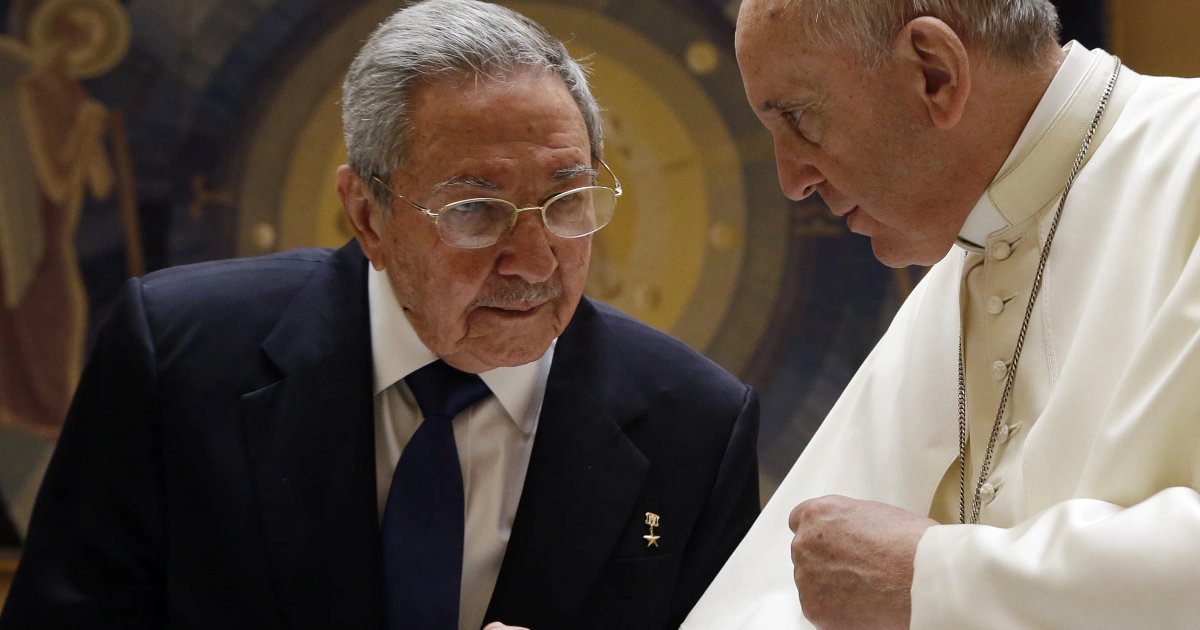
In an unprecedented move, the Cuban government has announced a comprehensive amnesty covering 2010 prisoners, as part of its efforts to alleviate the mounting pressures it faces from the United States. This amnesty comes at a sensitive time for the island, where international criticism regarding human rights and fundamental freedoms has intensified.
The amnesty includes prisoners convicted of crimes related to protests and demonstrations, signaling the Cuban government's desire to enhance its image before the international community. This step follows a series of American pressures aimed at promoting human rights in Cuba, placing the government in a precarious position.
Details of the Amnesty
The announced amnesty encompasses prisoners from various categories, including those arrested during the protests that swept Cuba in 2021. These protests were among the largest demonstrations the country has seen in decades, with demonstrators calling for improvements in economic and social conditions. The Cuban government viewed these protests as a threat to national security, leading to the arrest of many participants.
This move comes at a time when Cuba is experiencing a severe economic crisis, suffering from acute shortages of food and medicine, in addition to the repercussions of the COVID-19 pandemic. The amnesty may be seen as an attempt by the government to ease internal tensions and demonstrate its responsiveness to international demands.
Background & Context
Historically, Cuba has faced ongoing tensions with the United States, especially following the Cuban Revolution in 1959. Relations between the two countries significantly deteriorated after the imposition of the American embargo on Cuba in the 1960s, which remains in effect today. These American pressures have persisted over the decades, as Washington seeks to promote human rights and democracy on the island.
In recent years, international criticism of Cuba has escalated due to human rights violations, prompting the government to take steps such as this amnesty. However, the question remains regarding the extent to which these measures will improve relations with the United States or alleviate international pressures.
Impact & Consequences
The amnesty for prisoners may have positive effects on the internal situation in Cuba, as it could help alleviate social tensions. However, it remains to be seen whether this amnesty will lead to genuine changes in the government's policies regarding human rights and fundamental freedoms.
On the other hand, this amnesty may be viewed as a tactical step by the Cuban government to enhance its image before the international community, especially amid increasing American pressures. If the government succeeds in improving its image, it could lead to the easing of some sanctions imposed on it.
Regional Significance
In the Arab context, this move can be seen as a lesson for countries facing internal and external pressures. Many Arab nations struggle with human rights and freedoms issues, and it may be beneficial for them to consider how to address these pressures. The amnesty for prisoners could be viewed as a means to ease tensions and improve relations with the international community.
In conclusion, it remains to be seen how this step will affect Cuba's future and whether it will lead to genuine changes in government policies. The amnesty for prisoners may mark the beginning of a new phase in Cuba's history, but challenges still persist.