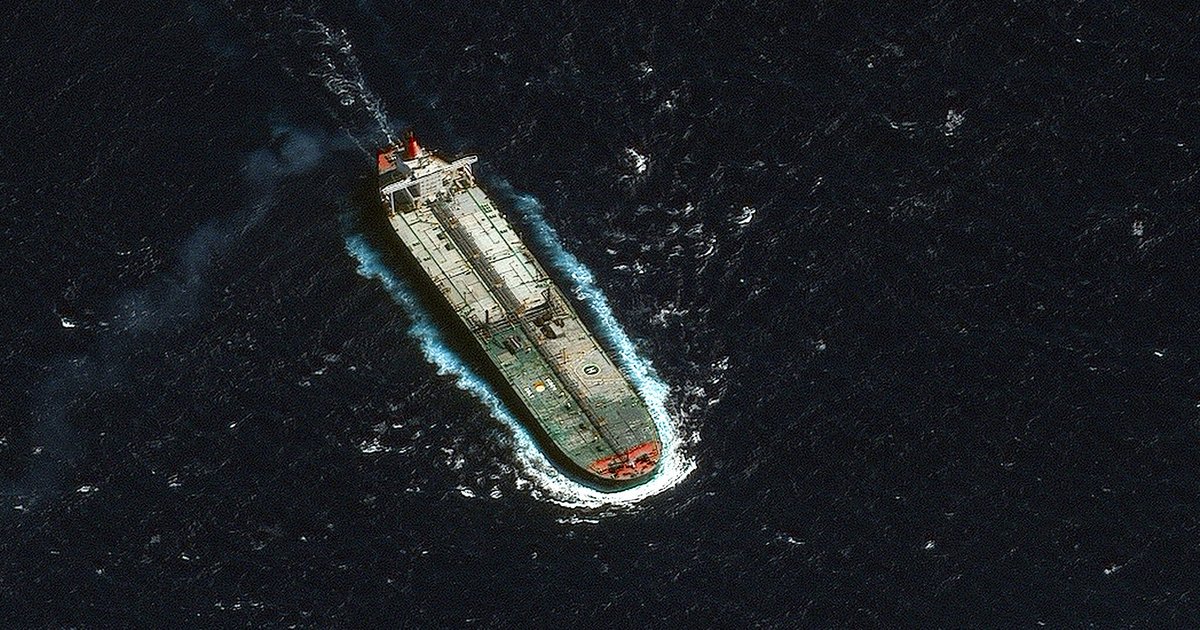
Cuba has announced the receipt of a sanctioned Russian oil tanker, which is the first shipment of its kind to reach the country this year. This step comes at a time when Cuba is grappling with a severe energy crisis, as the government seeks to secure the energy supplies needed to meet the demands of its citizens and industry.
This shipment is part of Cuba's ongoing efforts to strengthen its relations with Russia amid the economic and political pressures it faces due to imposed sanctions. It is believed that this tanker carries significant quantities of oil, which could help alleviate the energy crisis the country is experiencing.
Details of the Event
This shipment arrives at a critical time for Cuba, where the country is suffering from a severe fuel shortage, leading to frequent power outages. Canadian officials have indicated that Cuba may resort to unconventional sources to secure energy supplies, including enhancing cooperation with countries like Russia.
This move is part of Cuba's strategy to overcome the U.S. sanctions imposed on it, which have significantly impacted the national economy. It is expected that this shipment will contribute to improving the economic situation in the country, despite the risks associated with trading with sanctioned countries.
Background & Context
Historically, Cuba has heavily relied on imported oil, especially from countries that adopt similar policies to its own. With the increasing U.S. sanctions, Cuba has been searching for alternatives to secure its energy needs. This has led to a strengthening of ties with Russia, which is considered a traditional ally.
In recent years, Cuba has faced a severe energy crisis, with increasing power outages due to fuel shortages. The Cuban government has attempted to address this issue by importing oil from various countries, including Russia, which is one of the largest oil producers in the world.
Impact & Consequences
The reception of this Russian tanker could have significant implications for Cuba's economic situation. If sufficient oil supplies are secured, it could lead to an improvement in the living standards of citizens and a reduction in power outages. However, reliance on Russian oil may expose Cuba to further international pressures, especially from the United States.
Moreover, this step could enhance relations between Cuba and Russia, potentially altering the dynamics of regional politics. Amid rising tensions between the West and Russia, Cuba may find itself in a sensitive position that requires a delicate balance in its international relations.
Regional Significance
The energy crisis in Cuba serves as an example of the challenges faced by many developing countries around the world, including some Arab nations. With rising oil and gas prices, Arab countries may also face difficulties in securing the energy supplies necessary to meet their needs.
Additionally, Cuba's strengthening of ties with Russia may pique the interest of Arab nations, which are also seeking to expand their economic partnerships with major powers. This move could present an opportunity for Arab countries to enhance cooperation with Cuba in various fields, including energy and trade.
In conclusion, this shipment of Russian oil represents an important step for Cuba in addressing the economic challenges it faces. However, it also carries risks related to international relations, requiring Cuba to make strategic decisions to ensure its economic and political stability.