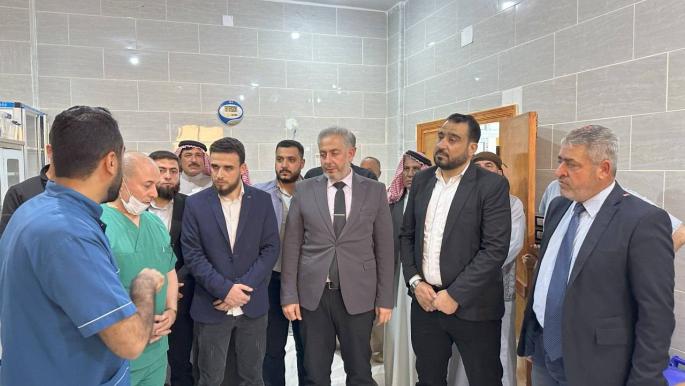
Al-Rahman Specialized Hospital in the town of Atar in southern Idlib has announced a drastic reduction in its services, now limited to emergency cases only due to the cessation of financial support. This decision comes amid a growing humanitarian crisis in the region.
The hospital is considered a vital health institution in the area, providing services to many patients who rely on it for basic healthcare. With the cessation of support, the hospital faces significant challenges in providing necessary medications and medical supplies, further exacerbating the suffering of patients.
Details of the Situation
The management of Al-Rahman Hospital reported that they can no longer provide full medical services, as the number of beds has been reduced and many medical specialties have been excluded. This decision came after donors informed the hospital of the cessation of financial support, leading to a worsening of health conditions in the region.
Residents of southern Idlib are under immense pressure, as the area suffers from a severe shortage of health services due to the ongoing conflict. Al-Rahman Hospital is among the few remaining facilities still providing medical services under these difficult circumstances.
Background & Context
Since the onset of the conflict in Syria, the southern region of Idlib has witnessed a significant deterioration in humanitarian conditions. The conflict has led to the displacement of thousands of families, increasing the pressure on available health services. In recent years, international support has been a crucial factor in the continued operation of many health facilities, including Al-Rahman Hospital.
The cessation of financial support for the hospital highlights the challenges faced by humanitarian organizations in providing assistance to those affected by the conflict. These challenges have impacted hospitals' ability to deliver necessary healthcare, increasing the risk of disease outbreaks and fatalities among the population.
Impact & Consequences
The cessation of support for Al-Rahman Hospital will exacerbate health conditions in Idlib, as patients will find themselves forced to seek alternatives that may be far away or unavailable. This situation could lead to increased mortality rates among patients in need of urgent medical care.
Moreover, the reduction in health services may contribute to the spread of infectious diseases, especially under the difficult living conditions faced by residents. Children and the elderly are expected to be particularly affected, as they are the most vulnerable to health risks.
Regional Significance
The situation in Idlib reflects the humanitarian crises faced by many Arab countries. The cessation of humanitarian support highlights the significant gap in the international response to crises and raises questions about how to address humanitarian emergencies in the future.
The continued deterioration of conditions in Idlib could impact regional stability, potentially leading to new waves of displacement and asylum-seeking, placing additional pressures on neighboring countries. Furthermore, these conditions may affect international efforts aimed at finding lasting solutions to the conflict in Syria.
In conclusion, the situation in Idlib requires an urgent response from the international community to ensure the continued provision of healthcare to those affected and to prevent further deterioration of humanitarian conditions in the region.