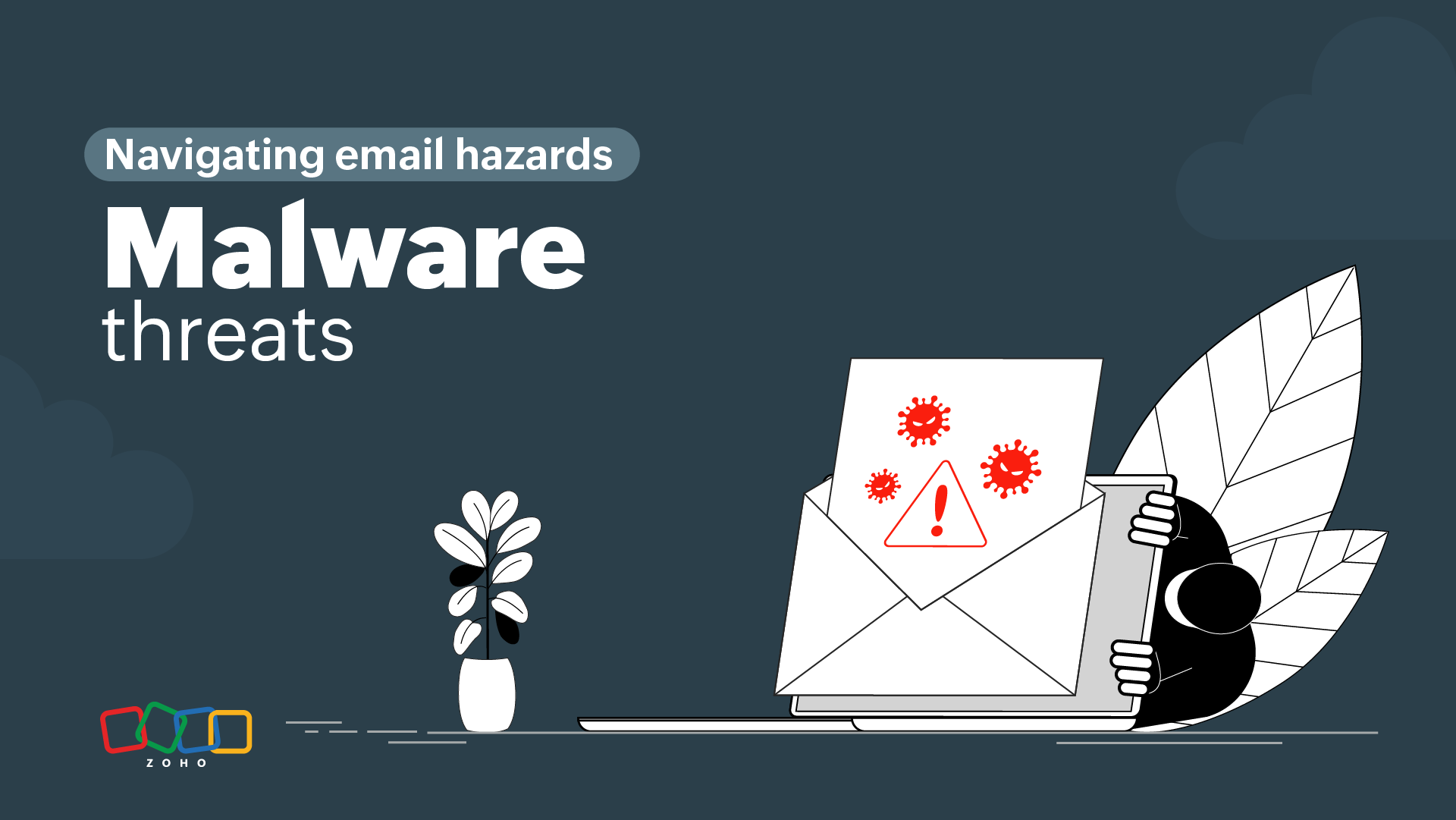
The Cybersecurity Council has issued warnings about the rising risks posed by destructive scanning viruses, emphasizing the need for preventive measures to protect information systems. This alert comes amid a surge in cyberattacks worldwide, necessitating a swift and effective response from all stakeholders.
Destructive viruses are considered one of the most dangerous threats to information systems, as they can lead to data loss and disruption of vital services. The Council noted that these viruses specifically target government institutions and large companies, increasing the importance of enhancing cybersecurity.
Details of the Warning
In an official statement, the Cybersecurity Council confirmed that destructive viruses could cause significant damage, not only at the individual level but also at the institutional and national levels. It explained that these viruses exploit security vulnerabilities in systems, making them susceptible to breaches.
The Council also pointed out that cyberattacks could result in massive financial losses, in addition to negatively impacting the reputation of targeted institutions. Therefore, it urged all stakeholders to take proactive steps to protect their systems from these threats.
Background & Context
Cyberattacks have increased in recent years, with destructive viruses becoming part of the global cyber conflict. The world has witnessed several major attacks targeting critical infrastructure, leading to growing calls for enhanced cybersecurity.
In this context, governments and large companies urgently need to update their security systems and train their employees on how to deal with these threats. Studies have shown that investing in cybersecurity can significantly reduce risks.
Impact & Consequences
Estimates indicate that cyberattacks cost the global economy billions of dollars annually. As reliance on technology increases, the risks associated with destructive viruses will continue to rise. Therefore, institutions must be prepared to effectively deal with these threats.
Moreover, destructive viruses can lead to a loss of trust between customers and companies, negatively affecting business relationships. Hence, it is essential for institutions to adopt effective strategies to counter these threats.
Regional Significance
In the Arab region, cyberattacks pose a significant challenge, having increased in recent years. Some Arab countries have experienced attacks targeting government institutions and private companies, resulting in data loss and service disruptions.
Thus, the warnings issued by the Cybersecurity Council come at a timely moment, as Arab countries must enhance their capabilities in cybersecurity and share information and expertise to confront these threats.
In conclusion, cybersecurity represents a top priority in today's world. All stakeholders must collaborate to strengthen their systems and protect information from increasing threats.